Show summary Hide summary
As Giving Tuesday approaches, recent developments in California have made the case for sustained civic engagement clearer than ever. Governor Gavin Newsom’s veto of SB-403 and the community response that followed illustrate both a hard-fought advocacy victory and the work that remains to protect minority civil rights and representation.
I arrived in the United States as an immigrant and, over time, have come to see holidays like Thanksgiving as a moment for both reflection and renewed commitment. Gratitude for personal and professional blessings now sits beside a sense of responsibility to translate thanks into action for the communities I represent.
In my role at the Hindu American Foundation (HAF), that responsibility has become daily work: ensuring Hindu Americans have a voice in public life and defending that voice when laws or policies threaten it. The recent defeat of SB-403 was the result of sustained grassroots organizing—emails, calls, testimony at committee hearings, peaceful rallies and countless volunteer hours—that culminated with the governor’s decision on Oct. 7.
Shah Rukh Khan used the name Abinav to ease in-law worries: Gauri adopted Ayesha during nikaah
Javed Akhtar hails Hindu festivals as cultural glue: throwback of atheist celebrating resurfaces
There was a distinctly human moment to that victory. I learned the outcome while out with my daughter; the quiet sharing of the news between us underscored how private relief and public advocacy are intertwined for many who have been carrying the strain of this fight for months.
What the veto changed — and what it didn’t
The governor’s veto removed a looming threat many feared could have had broad civil-rights implications. It also provided a rare moment of collective relief after a period that took a clear toll on community mental health, including the loss of activists who devoted themselves to this cause.
But the veto is not the end of the story. Community healing, rebuilding trust and preparing for future legal and policy challenges are immediate priorities.
- Short-term outcome: SB-403 was vetoed, averting a legal pathway critics said could marginalize Hindu Americans.
- Community impact: Months of advocacy produced a visible base of support and exposed gaps that require long-term attention.
- Next steps: Institutionalizing advocacy resources at the state and national level to respond faster and more effectively to similar threats.
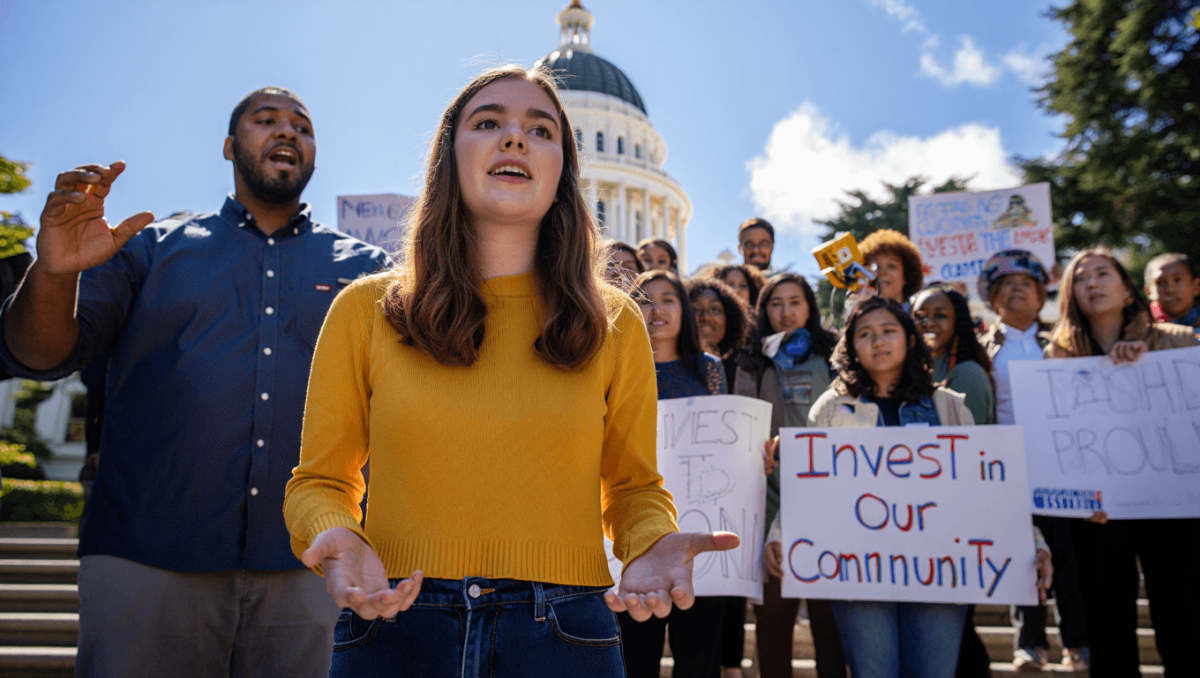
On Oct. 15, hundreds gathered outside the state capitol to express gratitude to officials who opposed the bill and to mark the end of one chapter of the campaign. For organizers and volunteers, the day was both a celebration and a reminder that policy wins must be matched with organizational capacity.
Local networks in Sacramento were crucial throughout. From coordinating logistics for public testimony to supporting visiting advocates, Sacramento-area volunteers demonstrated how regional infrastructure can amplify a statewide effort.
Where advocacy goes from here
The HAF has outlined priorities that respond directly to lessons learned during the SB-403 campaign. Among them are plans to create a national Legal Advocacy Center and a set of Regional Advocacy Centers to provide legal resources, rapid response capability and community education.
These initiatives aim to shift advocacy from ad hoc mobilization to sustained public-interest infrastructure—so that future threats can be met sooner and more effectively, and so communities facing misinformation or mischaracterization have reliable support.
- Legal Advocacy Center: Build a national hub for litigation support, counsel and strategy.
- Regional Advocacy Centers: Establish local teams to coordinate testimony, media responses and community outreach across states.
- Community resilience: Expand mental-health and peer-support resources for activists and volunteers.
As this chapter closes, the emphasis shifts to building capacity. The experience of fighting SB-403 illustrates how both victories and vulnerabilities can inform smarter, more durable advocacy strategies.
Giving Tuesday is a timely moment to reflect on those priorities. The author plans to continue channeling gratitude into work that strengthens civic participation and legal protections for Hindu Americans. For others watching these developments, the lesson is that civil-rights advances often require sustained attention, resources and community organization beyond any single legislative fight.