
Show summary Hide summary
The holy month of Karthikai has arrived, and millions of Tamils at home and in the diaspora are marking Karthikai Deepam by lighting oil lamps that trace a line between household ritual and a centuries-old temple tradition. For those who travel to Tiruvannamalai in Tamil Nadu, the festival is not only a devotional moment but a vivid reminder of how temple culture shapes local economies, identity and pilgrimage today.
I visited the Arunachaleswarar temple in Tiruvannamalai with my two daughters during a gap year in India (2019–2020). The memory remains immediate: the towering gopurams, the corridor crowds, the garland sellers and the smell of incense — all elements that turned a family day trip into a spiritual turning point for me.
The place, the history
Shah Rukh Khan used the name Abinav to ease in-law worries: Gauri adopted Ayesha during nikaah
Javed Akhtar hails Hindu festivals as cultural glue: throwback of atheist celebrating resurfaces
The temple honors Lord Shiva in his form as Arunachala, the deity associated with the fire element. Much of the complex dates to medieval South Indian dynasties; the Cholas and later patrons expanded the site into one of India’s most substantial temple compounds. The scale of the gopurams and the precision of the layout still prompt the same question from every visitor: how were these structures achieved without modern machinery?
Architectural traditions recorded as the Agamas guided construction, ritual choreography and the temple’s spatial logic — a combined technical and sacred knowledge that organized both form and practice. The temple’s role extends beyond ritual: it anchors livelihoods, from flower garland makers to prasadam sellers, creating an active ecosystem around daily worship and festival cycles.
What the visit feels like
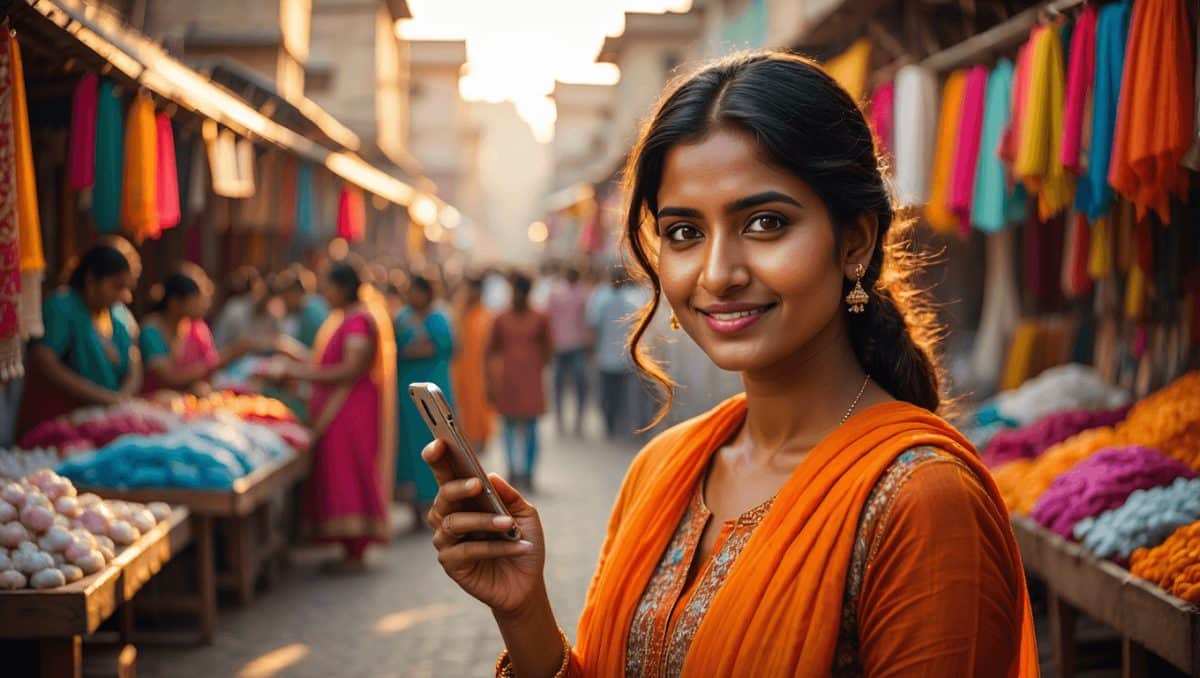
Walking toward the main tower, the senses accelerate. Narrow streets sell flowers, fruits and puja materials; artisans braid garlands with rapid, practiced hands. The rhythm of drums, bells and chants weaves with the calls of birds and the shuffle of animals common around temple precincts — dogs, cows and calves moving freely alongside devotees.
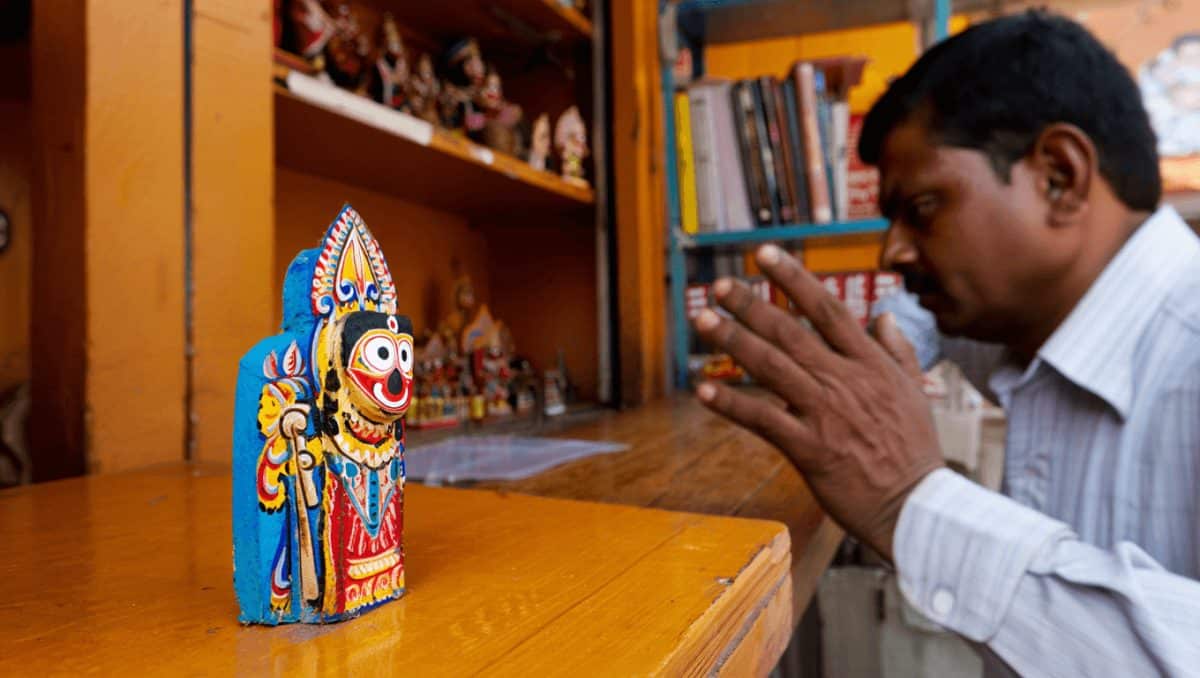
Inside the precincts, there is an immediate physical impression: low ceilings and long corridors funnel you toward the sannidhanam, where the main Shiva lingam sits. For many, the lingam is read in multiple ways — as fertility symbol, as an emblem of creative union — but for devotees I spoke with it often stands for a singular spiritual truth: an experience of unity with the divine.
That day I also met foreign devotees — several visitors from South Korea who follow the teachings of Ramana Maharshi — a reminder that Indian temple traditions attract a global religious curiosity and form unexpected cross-cultural connections.
Daily life and festival energy
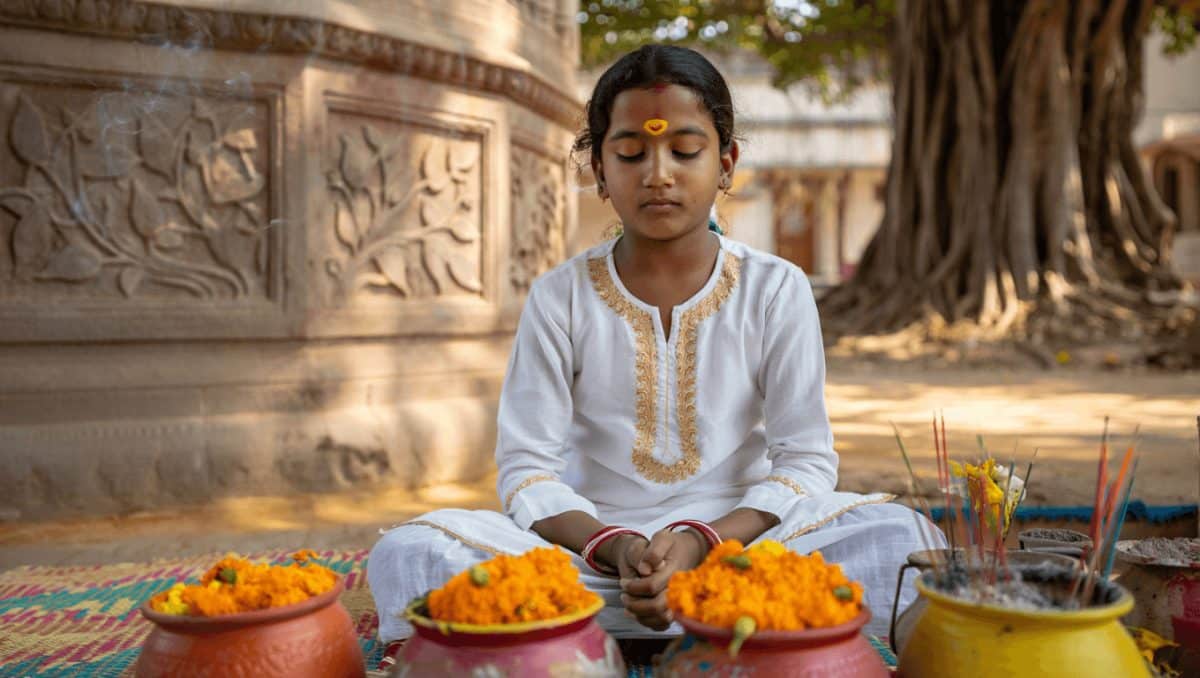
On Karthikai Deepam, the temple lights a monumental earthen lamp on the hill above the town — a ritual gesture that reverberates into homes, where families illuminate rows of smaller lamps. The festival signals more than devotion: it is a living tradition that reinforces community memory and sustains seasonal commerce and pilgrimage routes.
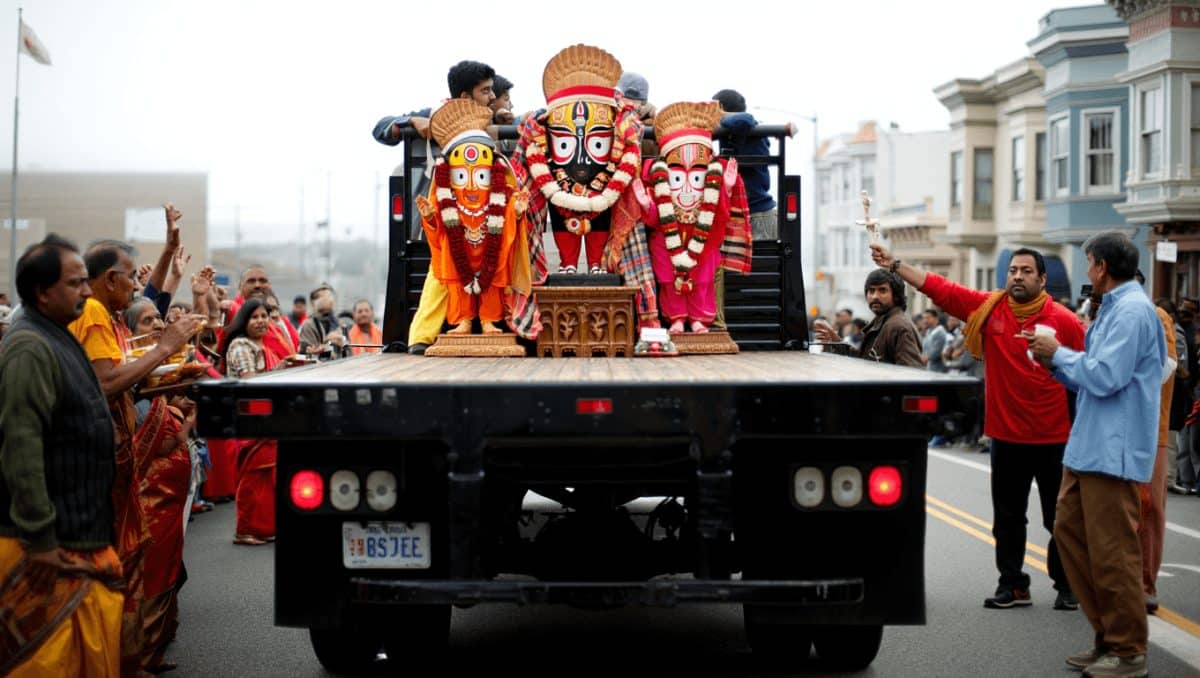
Processions — oorvalams — move murtis through the streets with percussion and chanting so people who cannot enter the temple still receive darshan. These public rites are small-scale on normal days and expansive during festival time, drawing both local participants and pilgrims from afar.
- When to go: Karthikai Deepam centers on the full moon of the Karthikai month; the main festival day is busiest, but quieter moments occur earlier or later in the week.
- What to expect: Crowds, open-air market stalls, temple animals roaming freely and frequent ritual processions.
- Offerings: Flower garlands, fruits and incense are the customary offerings; buying locally supports the temple economy.
- Etiquette: Modest dress, patience in queues and respect for ritual timings will improve the experience for visitors.
- Accessibility: Processions and outdoor rituals mean those unable to enter the temple still often get a chance for darshan.
Why this matters now
As festival calendars and pilgrim flows recover after pandemic disruption, sites like Tiruvannamalai illustrate how religious tourism, artisan livelihoods and cultural identity intersect. For diaspora communities, lighting a lamp at home during Karthikai Deepam is a practical way to maintain connection; for towns hosting festivals, those lamps underpin the seasonal economy.
At a personal level, the experience can be transformative. For me, stepping into that temple shifted private practice into daily devotion: I now include chants to Arunachala in my morning meditation — a small, consistent continuation of that day’s encounter.
Whether you approach Tiruvannamalai as a tourist, a pilgrim, an academic or a curious traveler, the temple offers an intensive lesson in how sacred spaces persist as living institutions — architectural marvels, ritual centers and social hubs knit tightly into the fabric of contemporary life.