Show summary Hide summary
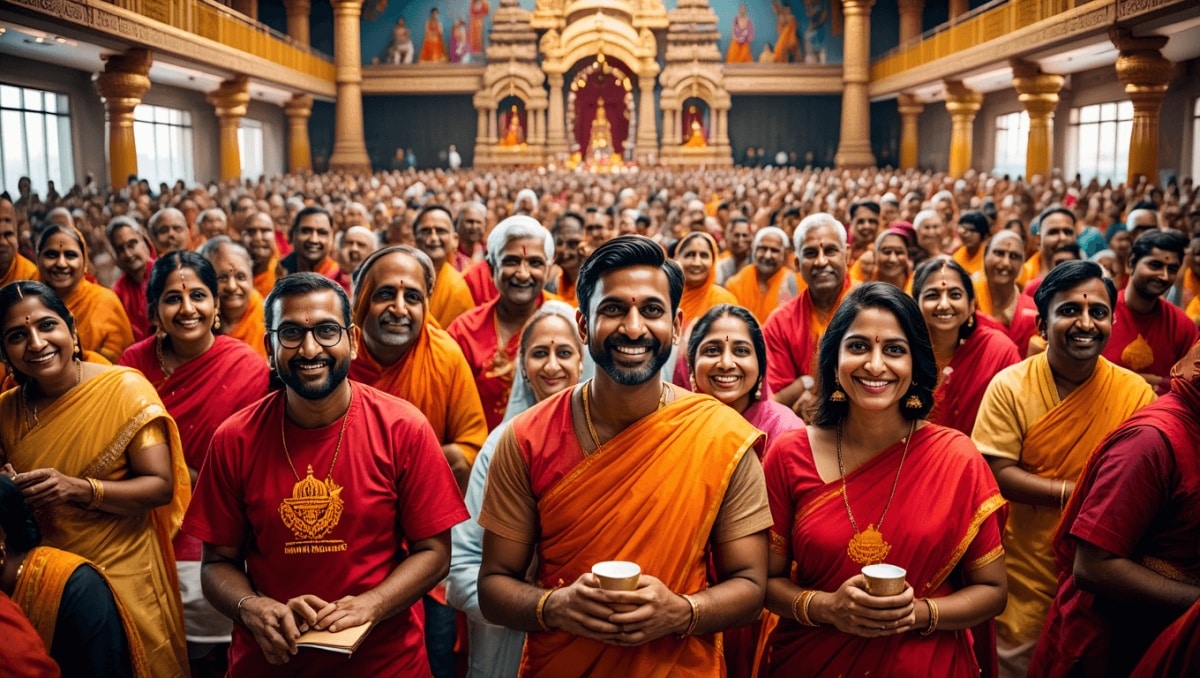
On December 3, community leaders and volunteers filled the newly renovated Jain Temple of Greater Sacramento to mark Diwali and to showcase a large, locally driven relief effort. The gathering combined cultural celebration with concrete civic impact — tens of thousands of meals-worth of food were pledged and local officials publicly recognized the Hindu American community’s contributions.
The evening opened with a formal lamp-lighting led by Rocklin councilmember Jill Gayaldo alongside community organizers Sangeetha Shankar and Pandurang Itagi, followed by a Sanskrit devotional sung by a middle-school performer. Those ceremonial moments framed a program focused as much on service as on ritual: SewaDiwali’s closing ceremony highlighted a month-long collection drive that mobilized dozens of groups across the region.
A citywide donation push
Kashi to Kedarnath costs revealed: how much a Sawan pilgrimage will set you back
Hinduism gains ground in Africa: new communities reshape culture and commerce
SewaDiwali reported that volunteers from across the Sacramento area — representing 39 Dharmic and Indic community organizations — gathered roughly 9,500 pounds of food this year. The drive also yielded multiple bags of winter clothing and smaller, neighborhood-level hauls; in one nearby area, engaged youth accounted for roughly 250 pounds of the total.
Donations were distributed to a range of local providers, including groups such as Fourth & HOPE, Yuba-Sutter Food Bank, LOAVES & FISHES, and Rancho Cordova’s Food Locker, among others. Organizers described complex logistics behind the push: coordinating collection points, transporting goods, and matching supplies to pantry needs across several counties.
Civic recognition and cross-community exchange
Representatives of the Hindu American Foundation (HAF) joined the program: National Program Director Easan Katir took part in the Woodlands collection, and HAF’s California regional director, Sangeetha Shankar, accepted Diwali and Hindu American Awareness proclamations on behalf of Sacramento and Rocklin communities from councilmembers Lisa Kaplan and Jill Gayaldo.
State Senator Angelique Ashby and Christopher Clark from the Folsom-Cordova Unified School District also attended. In brief remarks, elected officials linked the community’s charitable work to broader contributions in local arts, science and business, and noted shared civic values between Indian and American traditions.
Performances and interactive booths followed the formal presentations. Attendees — officials included — tried their hand at making rangoli, lighting clay lamps, and learning about symbols such as the lotus and decorative torans. HAF staff offered materials explaining Diwali’s many regional meanings and seasonal practices.
- Community reach: 39 participating groups across Greater Sacramento
- Collected: ~9,500 pounds of food plus winter clothing donations
- Youth engagement: Local students contributed hundreds of pounds and shared reflections on character-building
- Recipients: Local food banks and shelters serving Sacramento and neighboring counties
- Civic honors: Proclamations presented by Sacramento and Rocklin officials
Volunteers closed the evening with a shared meal: traditional Indian dishes, freshly brewed masala chai and sweets prepared by community members. Younger children took part in Diwali-themed coloring activities while families lingered to talk about the spiritual meaning of the festival and its contemporary relevance.
Sangeetha Shankar, reflecting on the ceremony, said the act of lighting a lamp felt deeply personal yet communal — a small ritual that, in her view, underscores the event’s central message: spiritual symbols and civic service can reinforce each other, strengthening ties between neighbors.
Traditional prayers recited during the ceremony emphasize the lamp as a symbol of wellbeing and the removal of darkness; organizers noted those verses as part of the night’s context, offering translations and resources for attendees who wanted to learn more. HAF’s Diwali materials were made available as a primer for schools, civic groups and interfaith partners.
Beyond the ritual and the awards, organizers framed the evening as an example of how cultural observance can be paired with practical relief — an approach that sustained turnout, drew local officials into conversation, and converted festival energy into tangible community support.