Show summary Hide summary
This winter’s gatherings—from solidarity vigils to campus panels—have underscored a simple but urgent reality: communities under threat are finding each other and pushing back. Recent events across California and Pennsylvania show how Hindu and Jewish organizations are moving beyond statements to coordinated, public support in response to rising antisemitism and attacks abroad.
As a member of the Hindu American Foundation’s outreach team, I attended a string of events that made clear the stakes: public institutions and universities are being tested on how they respond, women’s voices are central to the conversation about wartime trauma, and cross-community alliances are becoming a practical line of defense against hate.
On the ground: solidarity in practice
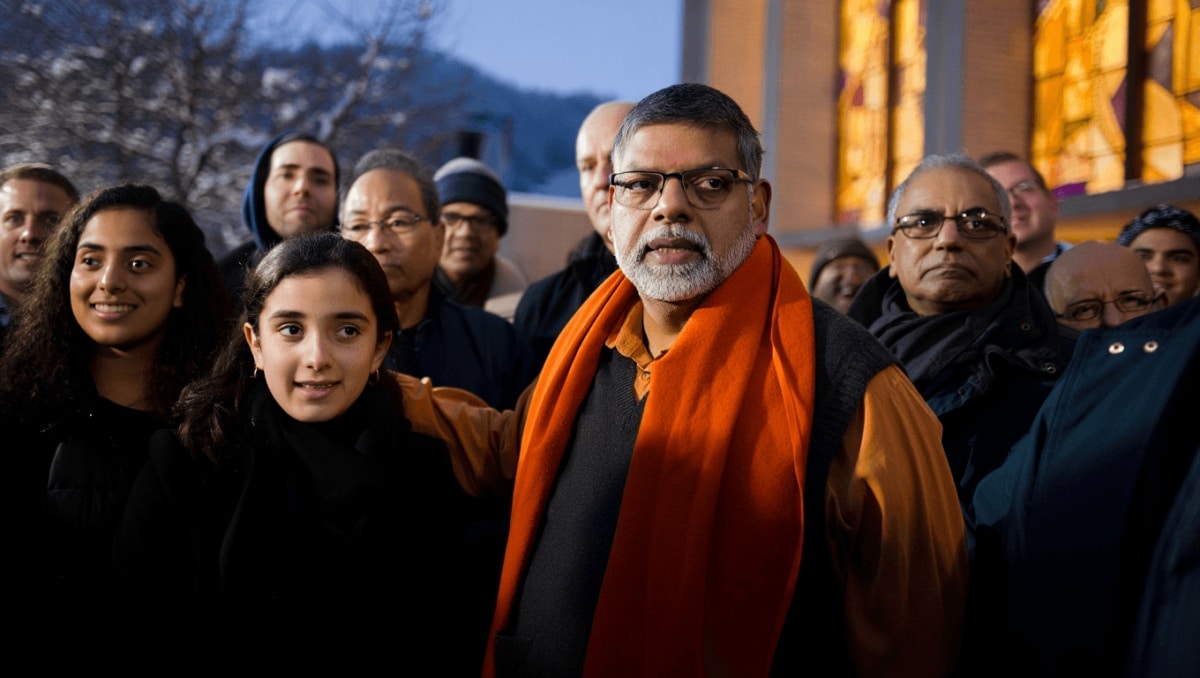
In early October, a local Chabad synagogue in the Sacramento region held a solidarity gathering after the October 7 attacks. Despite rain and shock, Hindu American participants stood with Jewish neighbors while elected officials publicly condemned the violence. The recognition from community leaders at that moment reinforced an instinct many of us share: solidarity matters not just symbolically but as a counterweight to isolation and fear.
Kashi to Kedarnath costs revealed: how much a Sawan pilgrimage will set you back
Hinduism gains ground in Africa: new communities reshape culture and commerce
Weeks later, a panel at Stanford brought students and community activists together to examine shared histories and contemporary threats. The conversation ranged from theological commonalities to practical cooperation against campus hostility. Attendees described incidents such as the removal of posters commemorating hostages and the mocking of survivors’ testimonies—examples that panelists said demand institutional accountability.
- Oct 10 — Rocklin (Greater Sacramento): Solidarity vigil hosted by a Chabad synagogue; local lawmakers spoke; Hindu participants publicly recognized.
- Dec 6 — Stanford University: Hindu-Jewish panel exploring shared experiences, campus safety concerns, and youth leadership.
- Dec 12 — San Francisco (Fairmont Hotel): Diplomats’ Hanukkah event attended by international representatives; emphasis on narrative and historical ties.
- Dec 10 — Philadelphia: Rally against antisemitism with state leadership and civic partners highlighting unified public response.
Why these meetings matter now
The gatherings are not merely ceremonial. They address three converging pressures: universities facing student unrest and inconsistent responses, media narratives that can detach cultural identity from national ties, and an uptick in hate crimes and online vitriol. For many activists, the immediate question is practical—how do organizations protect students and communities while also shaping public understanding?
At the Fairmont, diplomats and civil-society leaders highlighted a related concern: efforts to sever Jewish people from their historical and cultural ties to Israel have become more visible in mainstream narratives. Panelists warned that when narratives are reduced to slogans, the result can be a loss of context that fuels prejudice.
Women, trauma and historical memory
Across events, conversations returned again and again to the experiences of women. Survivors’ stories and historical memories—of sexual violence in wartime and practices such as mass self-sacrifice under past invasions—surfaced as a shared thread. For many attendees, those histories are not academic; they shape present-day anxieties and the urgency to create safe spaces for healing.
I left several meetings convinced that targeted forums led by women could play a vital role: spaces to process trauma, exchange support strategies, and build networks for immediate assistance during crises.
What organizers are doing next
Community leaders described several concrete steps underway, from campus advocacy to legislative engagement and cross-organizational partnerships. The Hindu American Foundation signaled continued collaboration with groups such as StandWithUs, the American Jewish Committee and the Anti-Defamation League to monitor and respond to incidents in corporations, universities and public institutions.
That work is at once outward-facing—calling out silence or complicity—and inward-facing, strengthening preparedness and mutual aid between communities.
Key takeaways for readers
- Solidarity is practical: Public alliances can influence institutional responses and provide immediate moral support.
- Campus accountability matters: Universities are being judged on how they respond to harassment and hate speech.
- Women’s perspectives need dedicated spaces: Healing and advocacy strategies should center those most affected by wartime sexual violence.
- Narratives shape safety: How history and identity are discussed in media and public forums directly affects security and social cohesion.
These events were at once somber and galvanizing. For many participants, the final message was clear: confronting hate requires sustained, organized alliances—across faiths, across campuses, and across civic institutions. That work will define the months ahead as communities seek not only to mourn and remember, but to protect and to build resilience.
Am Yisrael Chai. Happy Hanukkah.