Show summary Hide summary
In 2026, the figure of Ram continues to shape cultural life and public rituals across South Asia and the global Indian diaspora. Understanding why his story endures today helps explain everything from festival calendars to patterns of pilgrimage and the language communities use when talking about duty, devotion and shared identity.
Ram as a model of duty and ethical leadership
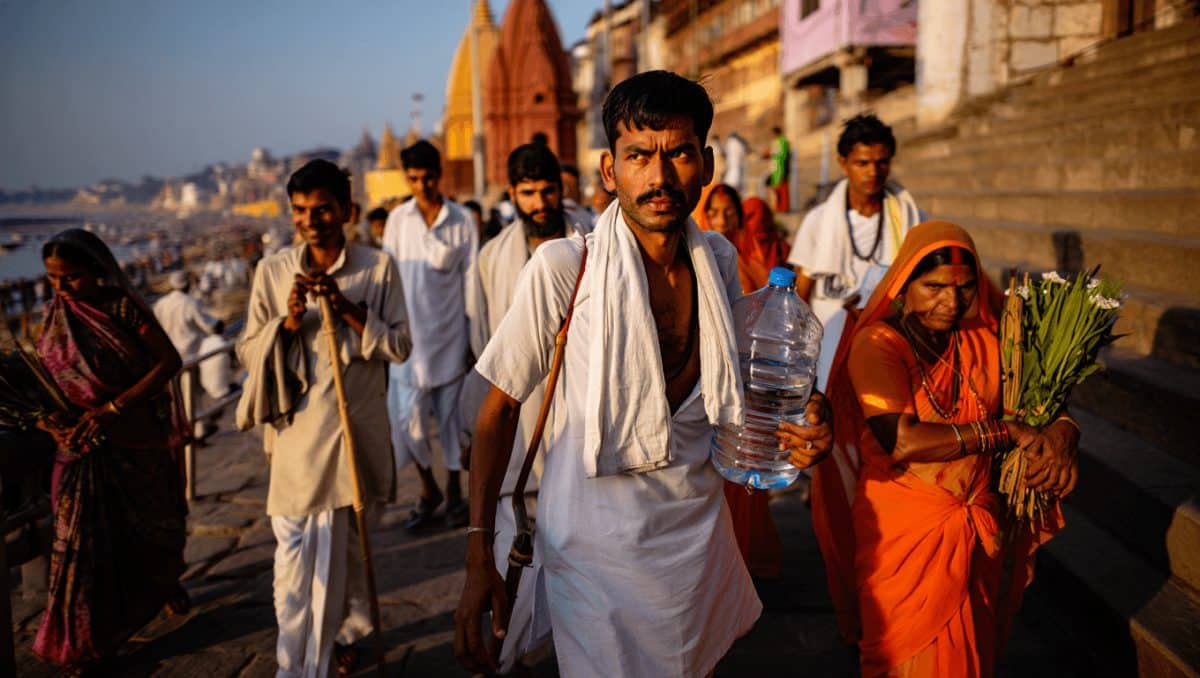
Kashi to Kedarnath costs revealed: how much a Sawan pilgrimage will set you back
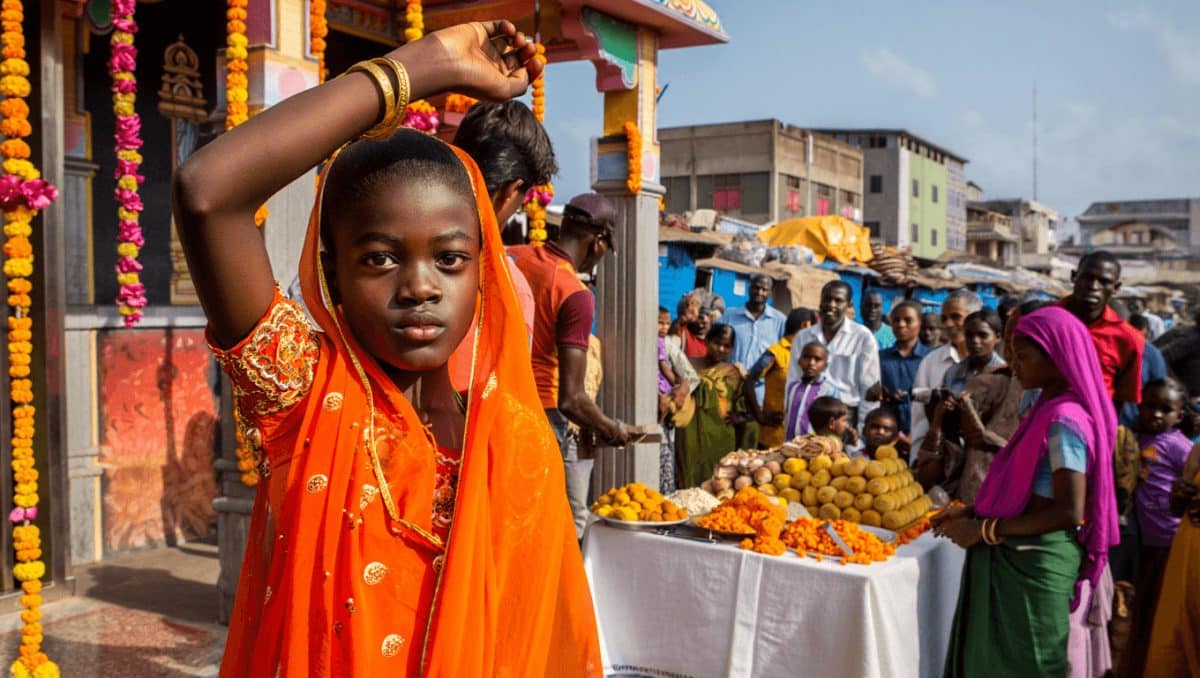
Hinduism gains ground in Africa: new communities reshape culture and commerce
Across centuries, Ram has been presented as the ideal ruler whose choices prioritize the collective good over personal desire. This image centers on the concept of dharma—a code of duty, restraint and moral obligation—rather than mere obedience to law or power.
For many believers and observers, Ram’s example is invoked when leaders face ethical dilemmas: the story frames questions about sacrifice, accountability and the responsibilities of office—values that remain part of civic conversation in 2026.
Devotion as a social force
Ram’s exile and search for his wife Sita, and the loyal support he receives from his brother Lakshman and the monkey-warrior Hanuman, are central episodes that highlight devotion, loyalty and collective action.
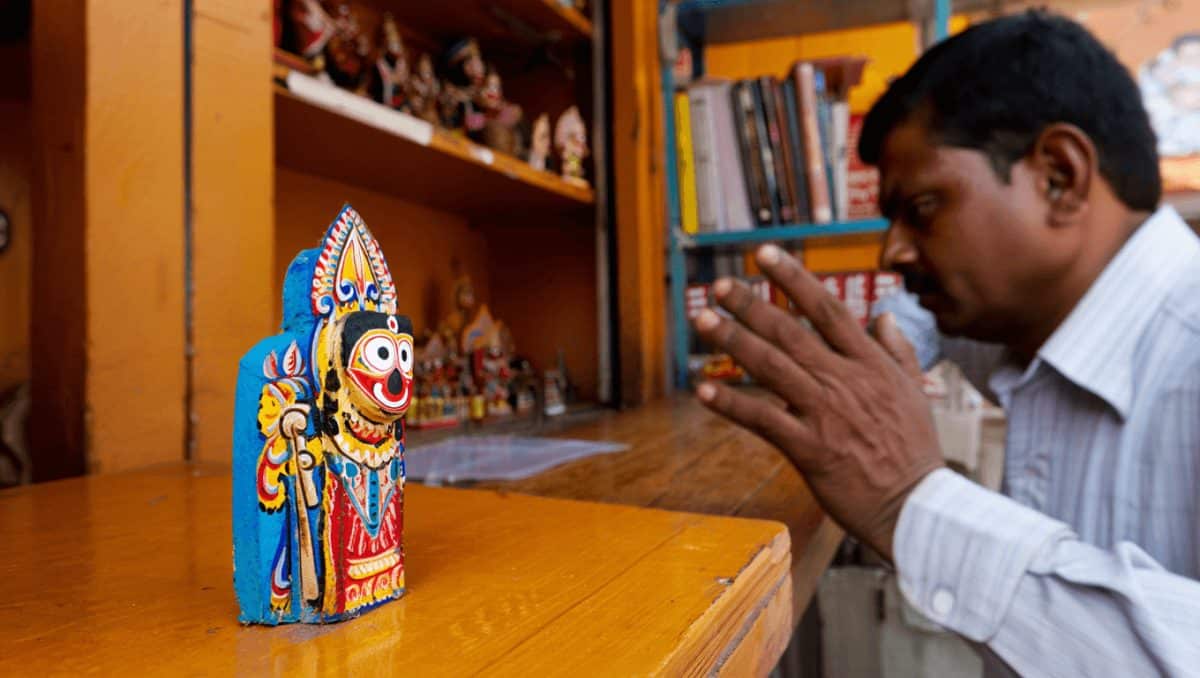
These narratives continue to animate popular culture—stage plays, music, temple festivals—and they also underpin grassroots community work, from charity drives tied to religious observances to volunteer networks mobilized during large pilgrimages.
Religious pluralism embedded in the story
One striking feature of Ram’s tale is its inclusiveness: he appeals to and honors a range of deities and practices. Episodes such as his invocation of the sun god and later rituals associated with Shiva illustrate a tradition of cross-devotional engagement.
This aspect of the story is often cited today as an example of internal pluralism within Hindu practice—an argument used by scholars and practitioners to stress coexistence among different devotional paths.
The narrative of light overcoming darkness
Ram’s triumph over the tyrant Ravana and his return to Ayodhya after years away led to the public celebration of light—an event that evolved into the festival now known as Diwali. The ritual lighting of lamps signifies renewal, knowledge and communal joy.
Beyond its spiritual meaning, Diwali has tangible effects: it drives seasonal commerce, pilgrimage traffic to historic sites, and large-scale public gatherings that reinforce local economies and cultural visibility.
Birth commemorations and global observance
The anniversary of Ram’s birth, observed as Ram Navami in the month of Chaitra (March–April), remains one of the most widely practiced religious dates in Hindu communities worldwide.
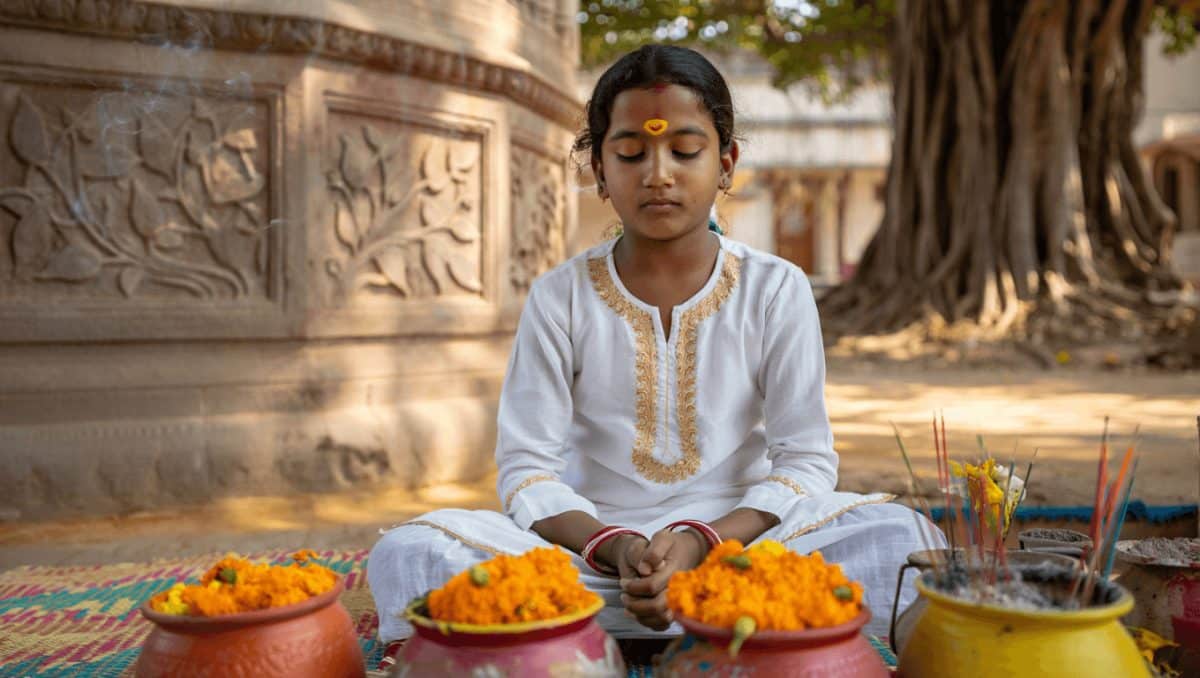
Celebrations range from private worship and fasting to public processions and theatrical retellings of episodes from the Ramayana. In diasporic settings—such as Caribbean, Southeast Asian and North American communities—the festival has been a vehicle for cultural continuity and community resilience for generations.
| Aspect | Traditional meaning | Contemporary relevance (2026) |
|---|---|---|
| dharma | Ethical duty and righteous conduct | Frame for public debates on leadership and moral responsibility |
| Devotion | Loyalty, service and community bonds | Forms the backbone of volunteer networks and festival participation |
| Pluralism | Cross-devotional respect and ritual exchange | Supports arguments for inclusive religious practice |
| Diwali | Victory of light over darkness | Major cultural festival with social and economic impact |
| Ram Navami | Commemoration of Ram’s birth | Global observance that sustains diaspora identity and local traditions |
Ram’s presence in public life is not just a matter of ancient storytelling; it continues to inform rituals, civic vocabulary and collective memory. Whether in temple ceremonies, festive marketplaces, or online communities, the values associated with his story—duty, devotion, pluralism and renewal—remain active resources for millions.
For readers tracking cultural trends in 2026, paying attention to how Ram is commemorated reveals shifts in communal priorities, pilgrimage patterns and the ways religious narratives are adapted to modern contexts.