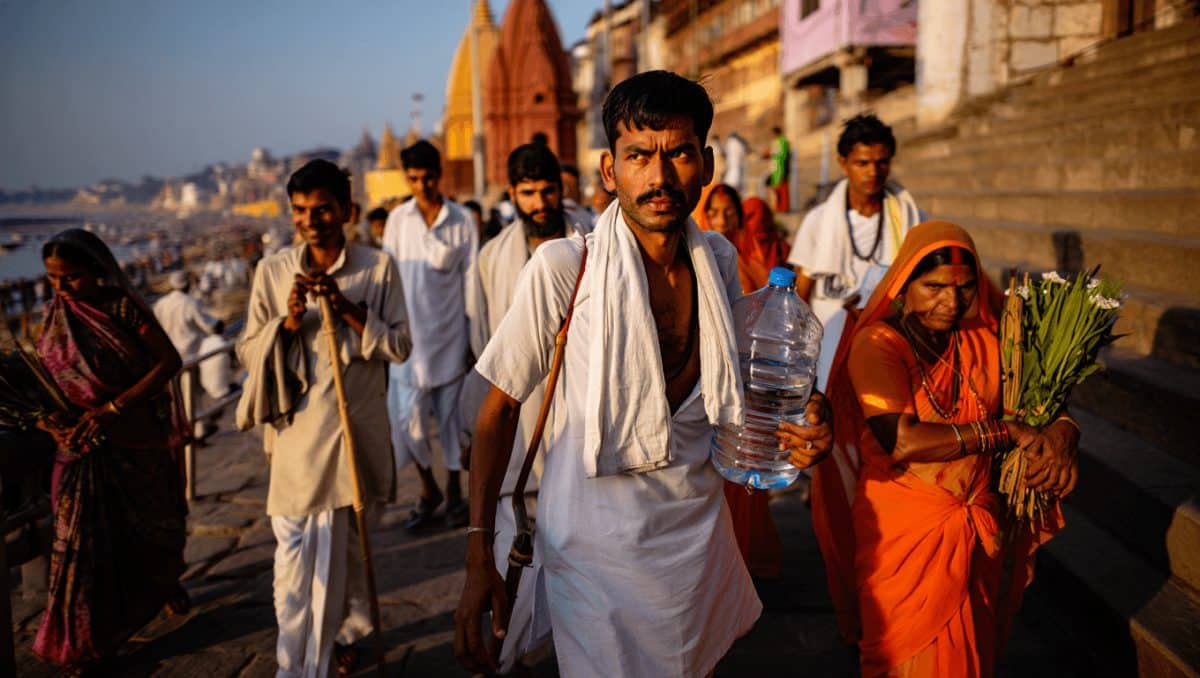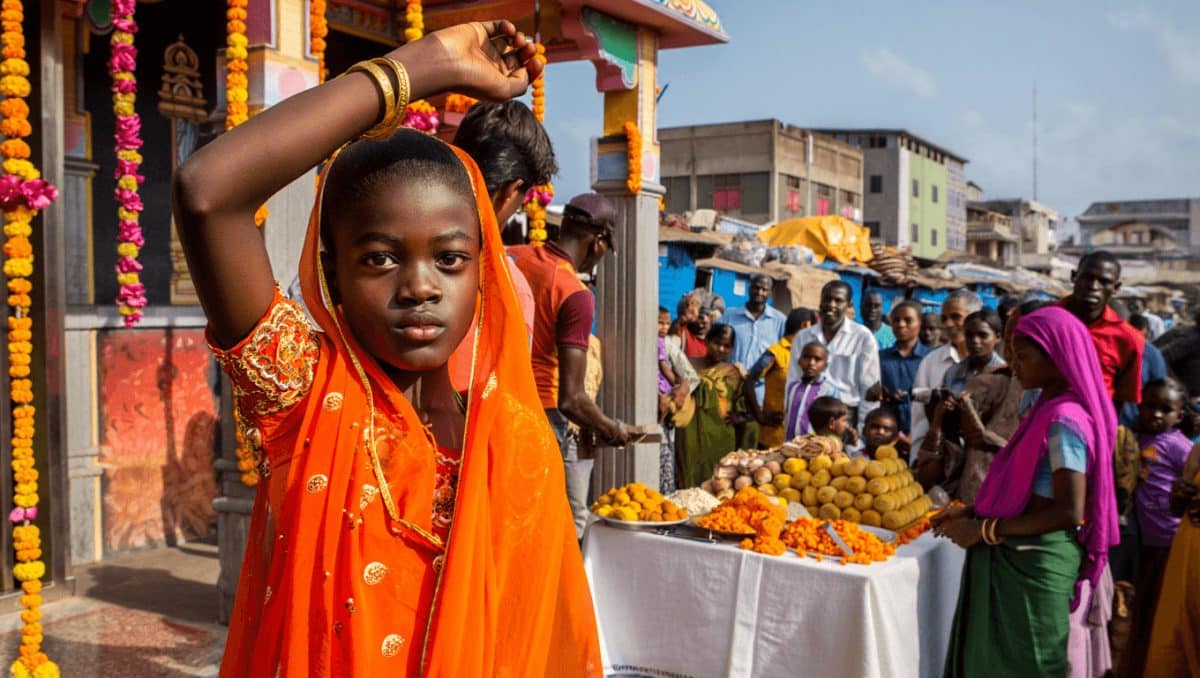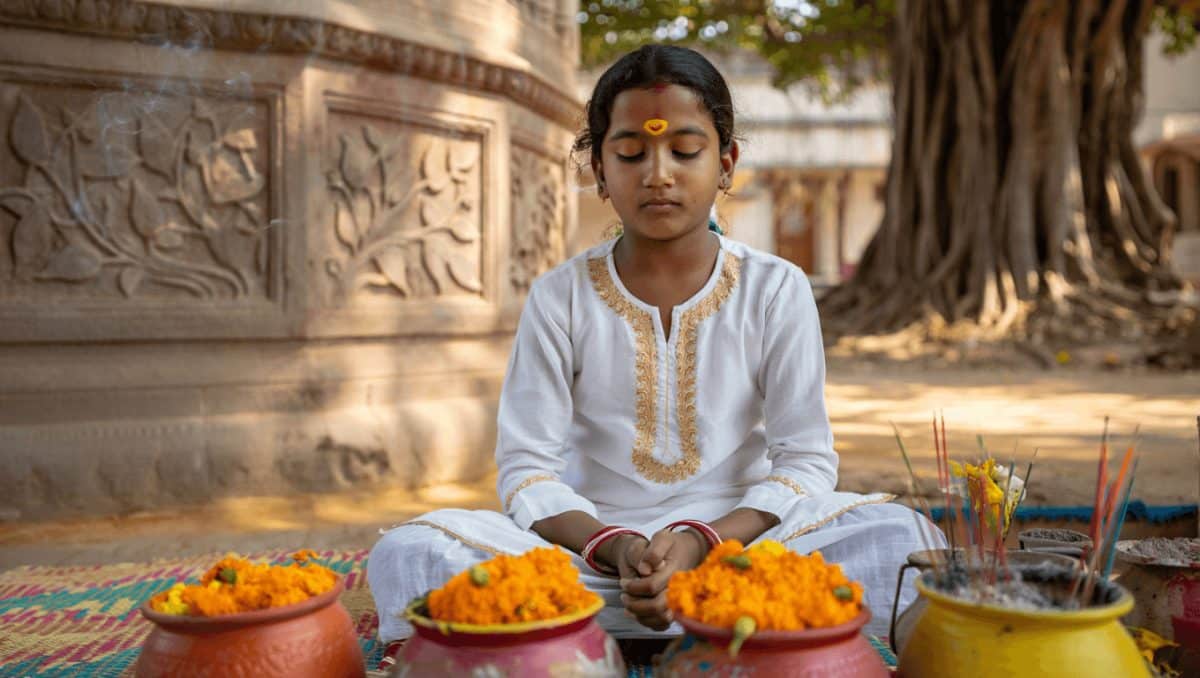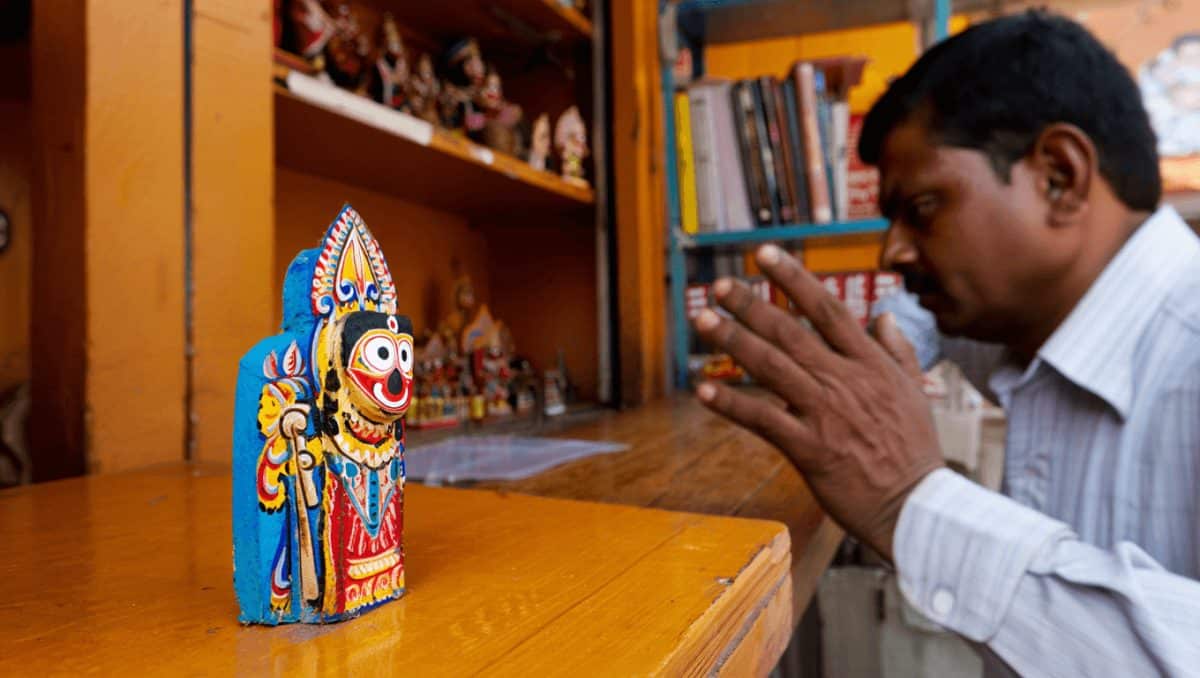
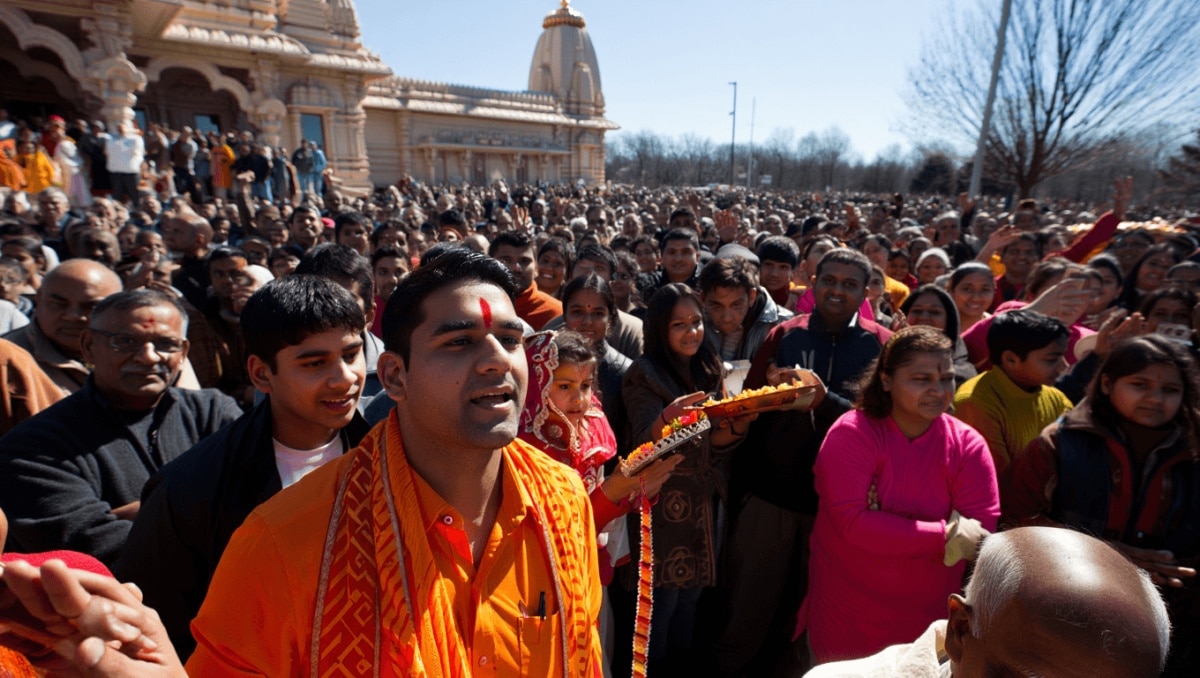
On Jan. 21, hundreds gathered at the BAPS temple in Canton, Michigan, to mark the dedication of the newly rebuilt Ram Janmabhoomi shrine in Ayodhya — an event that blended festive ritual with deliberate reflection on a troubled past. The program underscored how diaspora communities negotiate pride in a homeland milestone while acknowledging the costs of earlier conflict.
I attended the ceremony as a representative of the Hindu American Foundation and watched a vibrant enactment of a scene from the Ramayana precede a round of short remarks from community leaders and guests. Several speakers described long ties to the BAPS network across the United States, noting visits to temples in Chicago, Atlanta, Houston and Tampa; I mentioned that I plan to attend the Los Angeles mandir dedication next month.
The crowd’s energy was palpable: colorful costumes, synchronized chants and an atmosphere of collective service and organization. It is difficult to overstate the role of volunteers in producing events like this; the depth of commitment and coordination I observed is one reason many attendees speak of BAPS with admiration.
Kashi to Kedarnath costs revealed: how much a Sawan pilgrimage will set you back
Hinduism gains ground in Africa: new communities reshape culture and commerce
Partway through my remarks I invoked a difficult comparison — the atomic bombings of Hiroshima and Nagasaki — not to equate events, but to illustrate a moral point about memory. In the United States, reflection on 1945 often carries two simultaneous truths: sorrow for lives lost, and relief at an end to a wider war. That form of dual memory, I suggested, can also apply to how people remember the unrest around Ayodhya in 1992.
There were no attempts at historical glossing. I reminded the room that debates about the causes and consequences of those years persist, and that many people were harmed. Acknowledging that pain, I argued, does not necessarily preclude public celebration of the newly reconstituted shrine; people can mourn lives lost while also marking a symbolic arrival that matters to millions.
BAPS congregations, I added, exemplify a mode of religious and civic life in which ritual, community service and institution-building are tightly linked. Volunteers’ emphasis on seva — selfless service — repeatedly surfaced in conversations after the program.
Why this matters now: the Ayodhya dedication reverberates beyond India. For immigrant communities in the U.S., such moments shape identity, local politics and interfaith relations; they also force a reckoning with the memories of violence that accompany nation-building stories. How Americans and Indian Americans choose to remember and respond affects social cohesion at home as well as diplomatic and cultural ties abroad.
- What happened: A dedication event at the Canton BAPS mandir celebrated Ayodhya’s rebuilt shrine with performances and community remarks.
- Voices on stage: Speakers reflected on long-standing involvement with BAPS temples across the U.S. and emphasized volunteerism and devotion.
- Historical context: Presenters acknowledged the violence linked to the Ayodhya controversy in the early 1990s and urged remembrance of those who suffered.
- Takeaway for observers: Commemoration and contrition can coexist; ceremonies in the diaspora often balance pride in cultural heritage with sober memory work.
After the formal program, conversations turned practical: how to sustain interfaith dialogue, how to ensure historical lessons are taught to younger generations, and what constructive roles temples can play in bridging community divides. Those themes — memory, accountability, and civic engagement — are likely to shape how similar events are perceived across the United States in the months ahead.
Reporting from Canton underscored a simple truth: public rituals convey more than devotion. They are also sites where communities negotiate identity, responsibility and the meaning of shared history. For readers watching developments linked to Ayodhya, the balance struck at this gathering — honoring a milestone while remembering loss — is the clearest signal of how diaspora communities are processing a complex legacy.