Show summary Hide summary
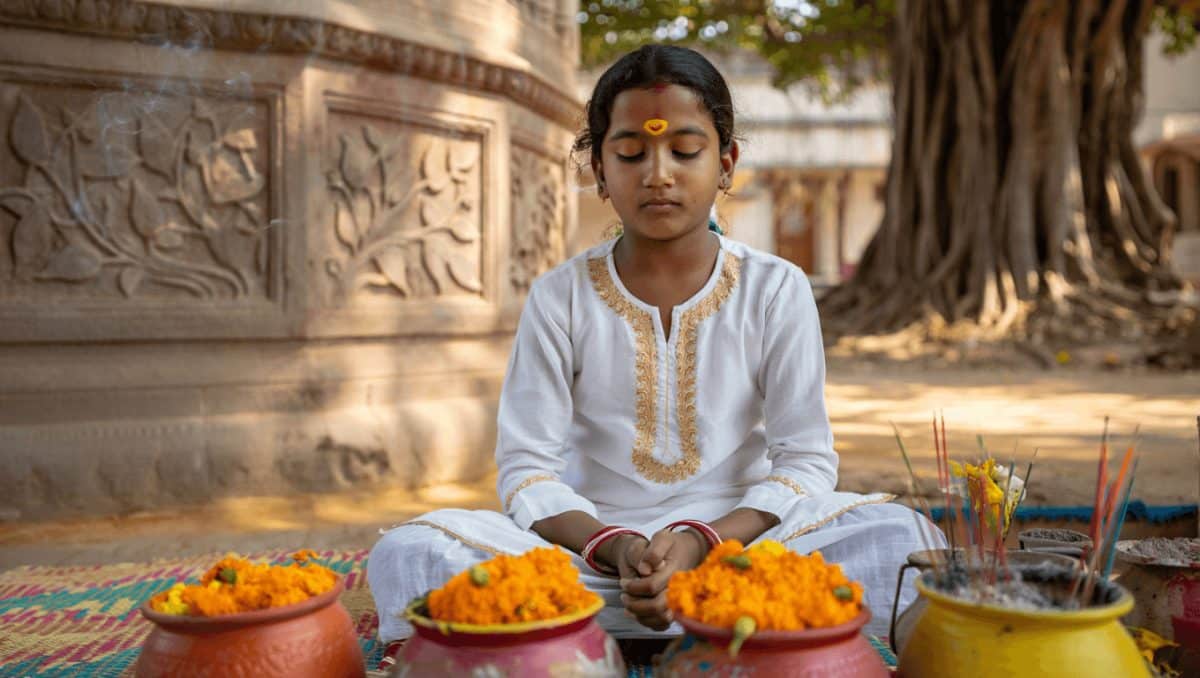
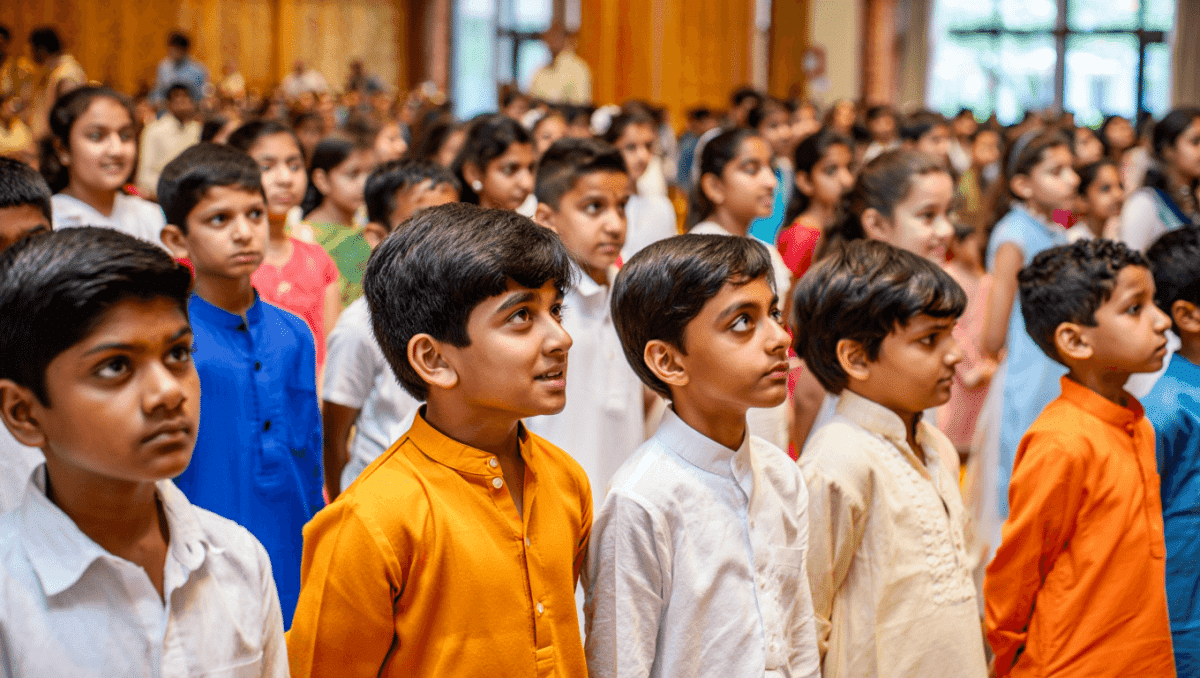
On April 25, a record 215 children converged at Chinmaya Mission Houston for the annual Gita chanting contest, a sign of growing parental interest in passing spiritual and cultural knowledge to the next generation. The competition—part of this year’s Chinmaya Amrut Mahotsav and tied to the mission’s 75th anniversary—offered a rare moment of concentrated practice and public performance in an era of digital distractions.
Months of preparation preceded the event, with ten volunteer instructors guiding participants through memorization, pronunciation and the meaning of verses. Organizers selected Chapter 12 of the Bhagavad Gita for this year’s recitations, asking young learners to master both the rhythm and the ideas behind the lines they spoke.
How the contest worked
Children competed in grade-based divisions tailored to age and experience. Evaluations focused on accuracy and delivery, but organizers stressed the event’s educational purpose over the competitive element.
Shah Rukh Khan used the name Abinav to ease in-law worries: Gauri adopted Ayesha during nikaah
Javed Akhtar hails Hindu festivals as cultural glue: throwback of atheist celebrating resurfaces
- Age groups and grades: Anagha (KG); Arjuna (Grades 1–2); Bharata (Grades 3–4); Partha (Grades 5–6); Gudakesa (Grades 7–9); Dhananjaya (Grades 10–12).
- Assessment points: memory precision, clear pronunciation, stage presence and posture, plus demonstrated understanding of meaning.
- Training window: instruction began in early February, culminating in the April event and a May awards presentation.
Judges looked beyond rote recall. Organizers said the exercise is intended to nurture discipline, confidence and a practical familiarity with philosophical teachings often described by devotees as a guide for daily living. While trophies and certificates mark achievement, officials view the contest chiefly as a structure for long-term learning.
From local stage to larger forums
The Houston competition is one of many local events coordinated worldwide under the Chinmaya Mission umbrella. Top performers typically move on to regional and national rounds, creating an organised pathway that connects neighborhood centers to an international network that has engaged millions of participants since the initiative began in the 1980s.
On May 10, winners and all children who learned the assigned verses were recognized at a follow-up ceremony held at Chinmaya Smrti. The awards day coincided with the 110th birth anniversary of Swami Chinmayananda, giving the celebration an added symbolic resonance for families and teachers who follow his teachings.
Pujya Gaurang Uncle, speaking at the ceremony, reminded students that learning is rarely effortless and that parental and teacher support is central to growth. He urged youngsters to reflect on the lessons they recited and to appreciate the chance to practice them now rather than later.
Why this matters now
In a fast-moving, digitally saturated environment, events like the Gita chanting contest create structured opportunities for children to cultivate focus and cultural literacy. For many parents, the activity complements formal schooling by reinforcing values, improving concentration and strengthening a sense of identity.
The turnout in Houston suggests rising demand for programs that combine spiritual education with measurable outcomes—memory, confidence and public speaking—that parents can see and teachers can cultivate. As local winners advance to higher levels of competition, the immediate community benefit widens into a broader cultural exchange across chapters.