Show summary Hide summary
Seven cities hold a special place in Hindu religious imagination — not as tourist attractions but as focal points of ritual life, memory and identity. Recent court rulings, temple ceremonies and mass festivals have pushed these sites back into the headlines, underscoring their continuing social and political importance across India and among the global Hindu diaspora.
These cities, traditionally grouped as the Sapta Puri, are more than historical footnotes: they shape pilgrimage circuits, influence local economies and sometimes sit at the center of legal disputes over heritage and access. Below is a concise guide to each location and why it matters today.
- Ayodhya — Birthplace of Ram and the site of a major temple reconstruction effort; the 2019 Supreme Court decision and the consecration ceremonies that followed in 2024 continue to resonate in national politics and communal discourse.
- Mathura — Associated with the life of Krishna; the Janmasthan complex and adjacent mosque remain the subject of contested claims and legal processes that affect access for worshippers.
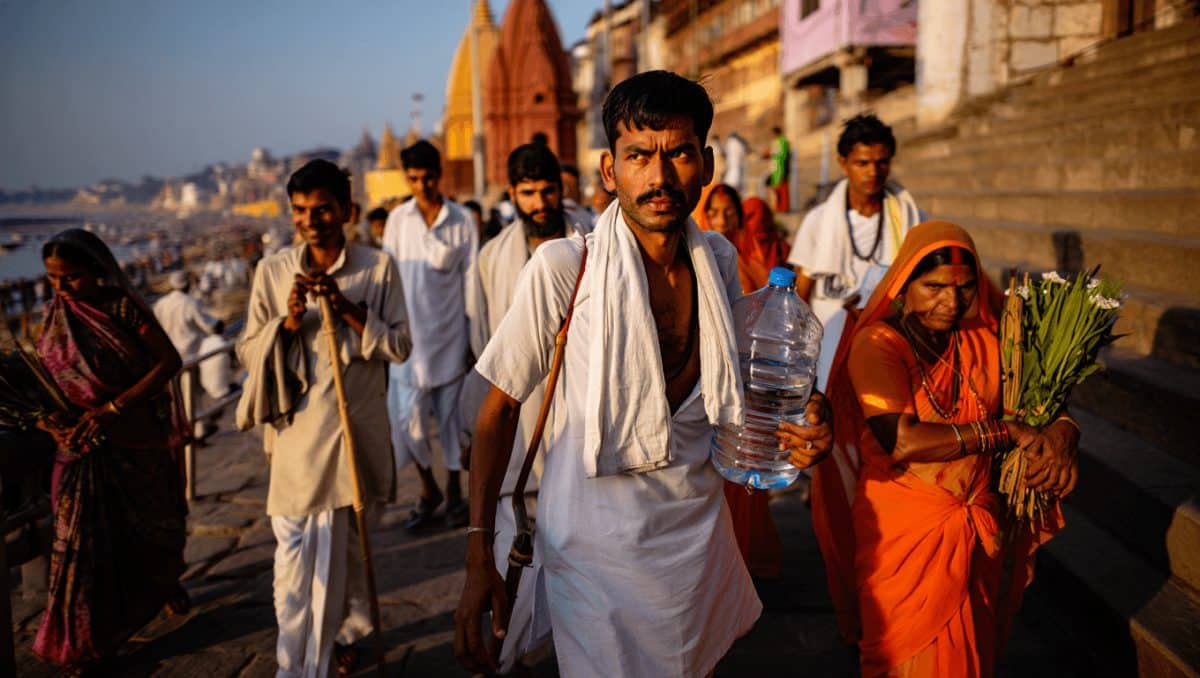
- Haridwar — A principal gateway to the Ganga where daily aarti and large-scale bathing rituals mark devotional life; its role intensifies during national events such as the Kumbh Mela.
- Varanasi — One of the oldest living cities in the subcontinent and a core center for Shaiva devotion; recent legal developments have altered patterns of access and prompted discussion about conservation and shared use.
- Kanchipuram — Famous for its dense network of shrines and for the Kamakshi Amman temple, it represents a long history of devotional learning and south Indian temple culture.
- Ujjain — Home to the Mahakaleshwar shrine, one of the important jyotirlinga sites; it becomes a focus of massive pilgrimage during the Simhastha festival every 12 years.
- Dwarka — Linked to Krishna’s later life and maritime legends; underwater surveys off the coast have fuelled archaeological interest, even as the modern coastal temple remains the pilgrimage focus.
Kashi to Kedarnath costs revealed: how much a Sawan pilgrimage will set you back
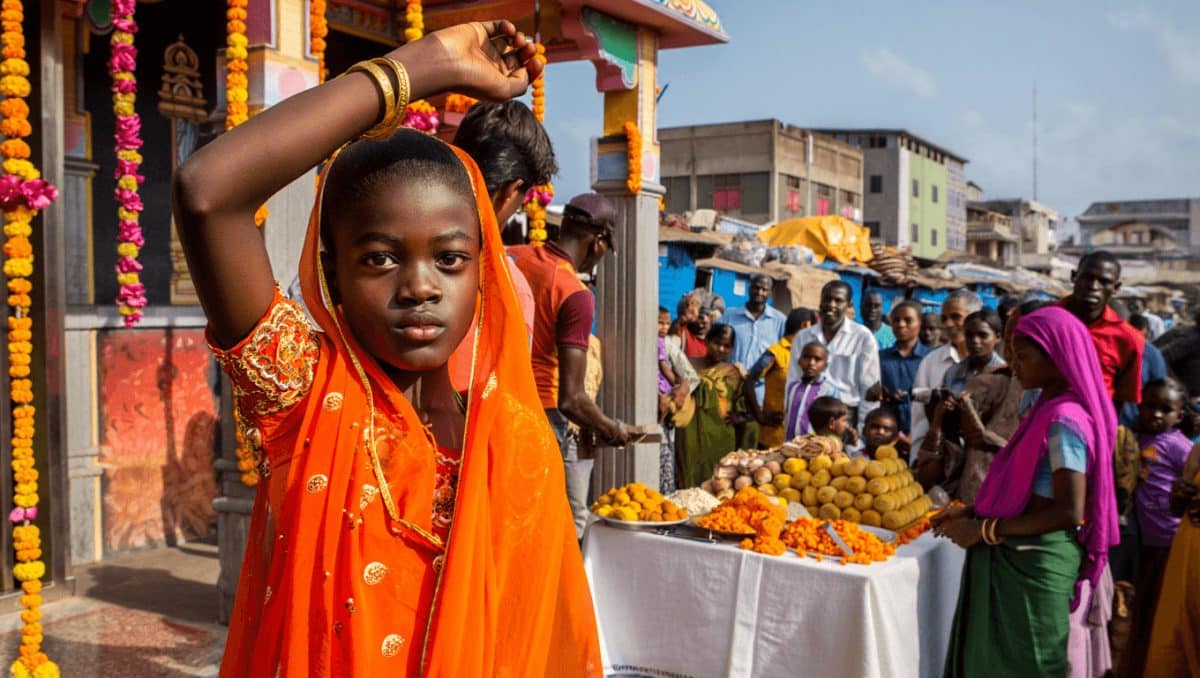
Hinduism gains ground in Africa: new communities reshape culture and commerce
Why these places still matter
Beyond doctrinal significance, the Sapta Puri function as living institutions. They anchor seasonal flows of people and money, sustain local artisans and priests, and act as venues for political expression. Decisions about who can worship where — whether through court orders or administrative changes — have tangible effects on daily life and on communal relations.
Contested pasts and contemporary debates
Many of these sites are layered with long histories of construction, destruction and reconstruction. That sequence raises questions about archaeology, rights to worship and how the state manages heritage. Legal outcomes reached in recent years have settled some disputes but have also kept these places under public scrutiny.
For example, the formal opening and installation of icons in newly constructed shrines has been followed by renewed debate about access and historical narrative. At the same time, archaeological work — especially in coastal Gujarat near Dwarka — has added another dimension, bringing scientists and devotees into overlapping conversations about authenticity and history.
What pilgrims experience
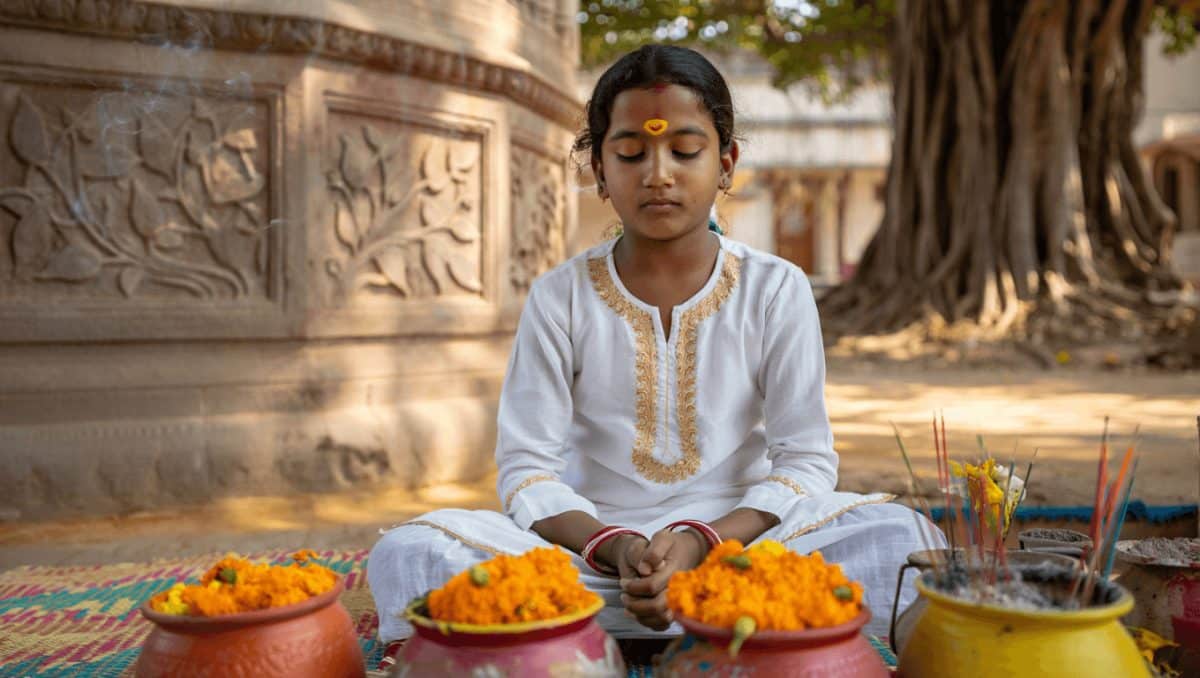
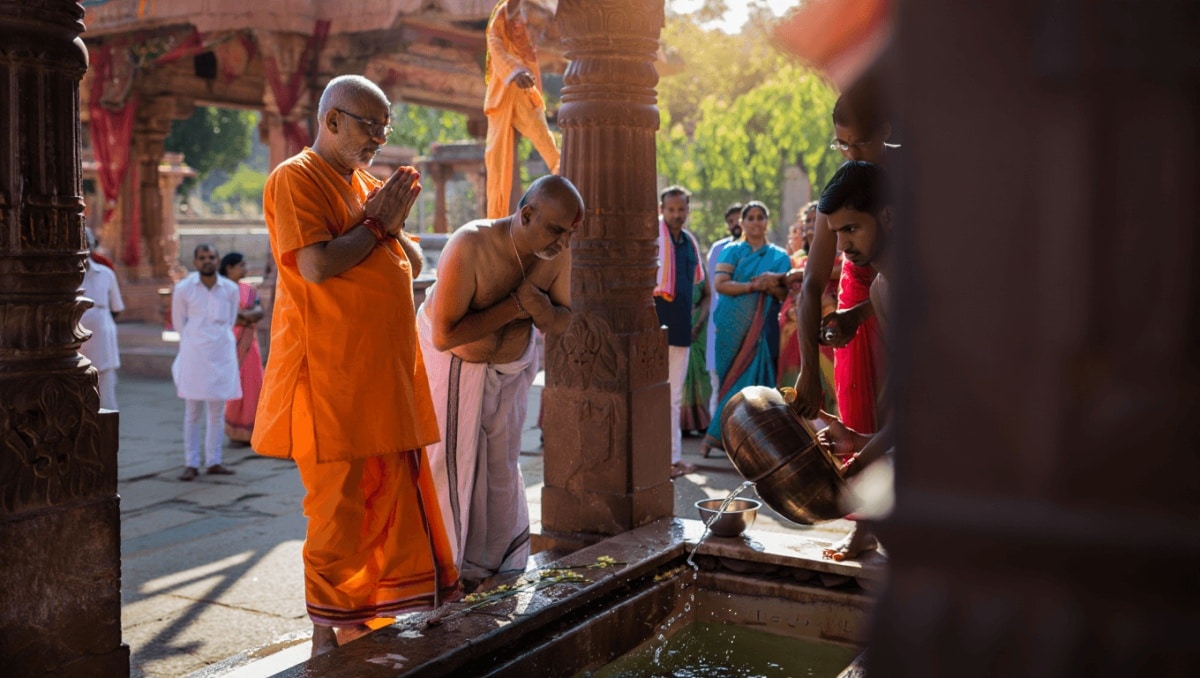
For visitors, the sites offer a mix of sensory and spiritual practices: ritual baths in river ghats, evening lamp ceremonies, crowded temple corridors and quieter, less commercialized sanctums. Pilgrimage calendars — particularly the Kumbh and Simhastha gatherings — funnel millions into these cities at predictable intervals, transforming urban life for weeks or months.
Those flows matter politically and economically: municipal services are tested, small businesses boom, and media attention spikes. For many diaspora communities, recent high-profile rituals and rebuildings have renewed ties to these specific places, making them nodes of cultural return.
Policy and preservation
State and municipal authorities now face competing priorities: protect monuments and waterways, manage huge pilgrim influxes, and adjudicate contested claims — all while seeking to maintain public order. Conservation choices — from restoring temple architecture to regulating ghats and coastal sites — will shape how future generations encounter these places.
That means policymakers, religious leaders and local stakeholders must balance archaeological research, legal rulings and community needs. How they do so will determine whether these cities remain accessible, safe and intact as centers of living tradition.
Quick reference: Sapta Puri at a glance
- Ayodhya — Ram’s natal city; site of major temple reconstruction and high-profile legal rulings.
- Mathura — Krishna’s birthplace; Janmasthan remains central to devotional life and legal contention.
- Haridwar — River gateway; landmark ghats and aarti ceremonies anchor pilgrimage rituals.
- Varanasi — Ancient city of Shiva worship; ongoing debates on access and heritage management.
- Kanchipuram — Temple-dense urban fabric; important center for South Indian religious traditions.
- Ujjain — Mahakaleshwar shrine; focal point of the Simhastha festival and Shaiva devotion.
- Dwarka — Coastal capital of Krishna tradition; submerged remains have prompted archaeological interest.
These seven cities continue to shape religious practice and public life in India. Understanding their present-day dynamics — legal, cultural and economic — is essential for anyone following developments in heritage, communal relations and pilgrimage in South Asia.