Show summary Hide summary
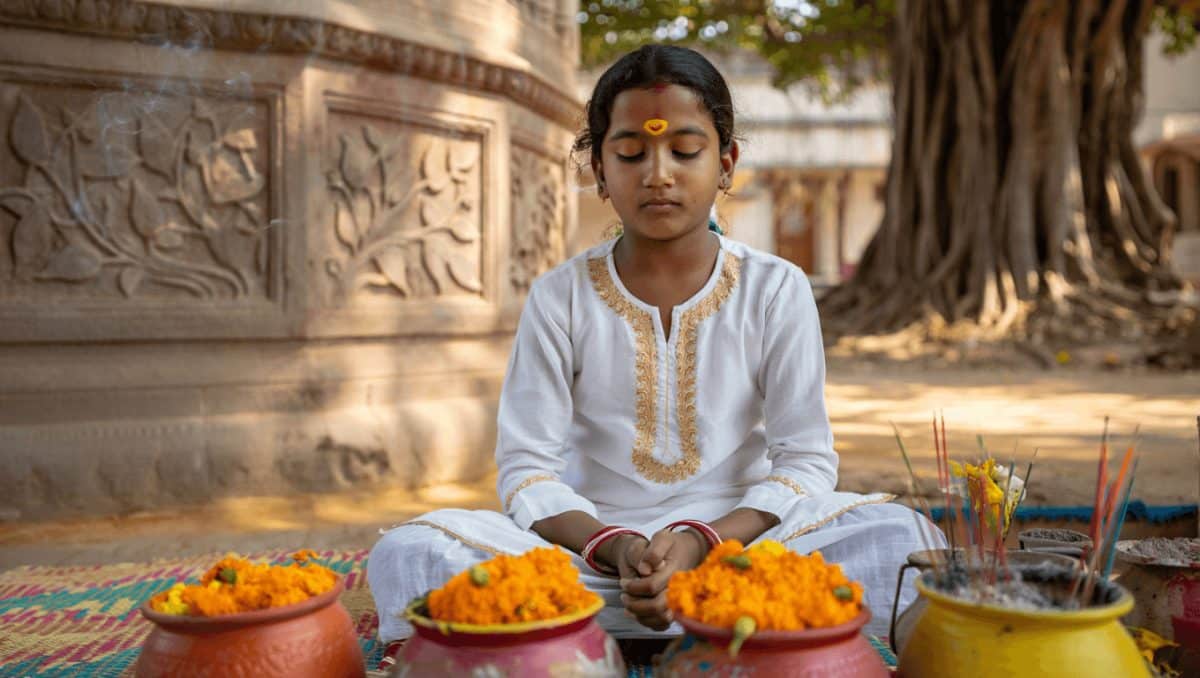
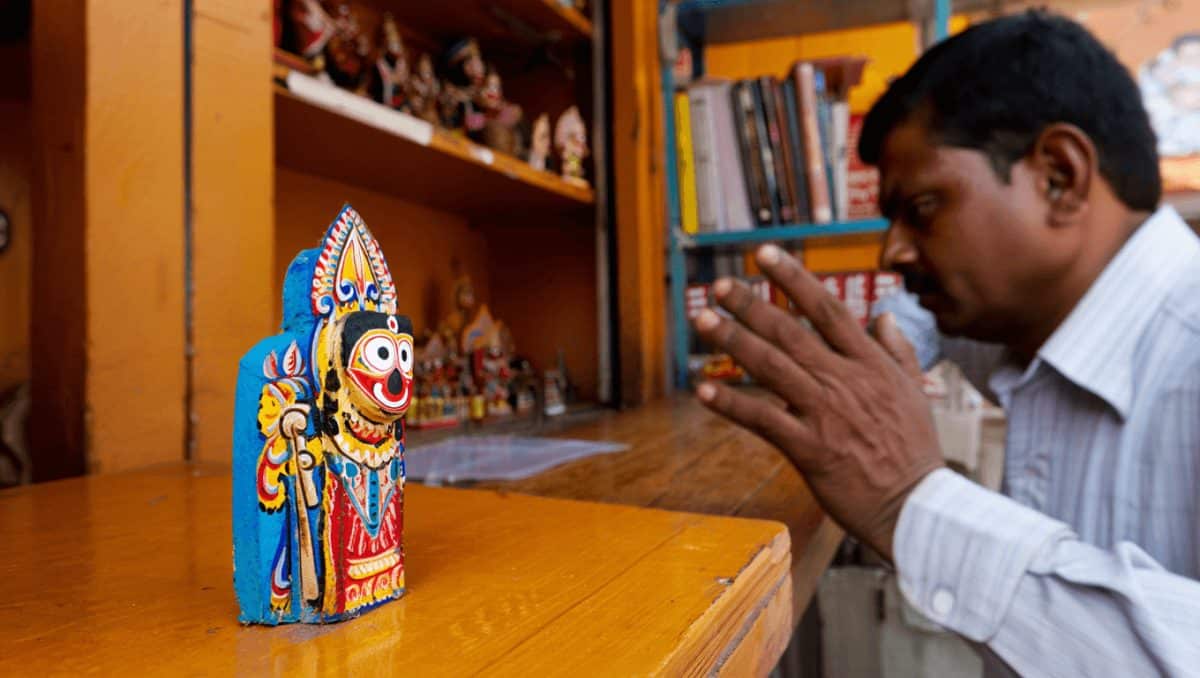
Each year, tens of thousands gather for Thaipusam — a South Asian Hindu observance that combines penitence, procession and pageantry. As festivals resume at scale after pandemic disruptions, Thaipusam’s rites and large public gatherings carry renewed cultural, logistical and civic importance for communities across Asia and the diaspora.
Origins and cultural roots
Thaipusam began within the Tamil cultural sphere and is observed during the full moon of the Tamil month of Thai (January–February). It grew out of local devotional practices and the particular history of the Tamil people, many of whom have faced colonial-era displacement and social marginalization. That history shapes the festival’s strong emphasis on endurance, communal solidarity and acts of sacrifice.
Shah Rukh Khan used the name Abinav to ease in-law worries: Gauri adopted Ayesha during nikaah
Javed Akhtar hails Hindu festivals as cultural glue: throwback of atheist celebrating resurfaces
The event blends solemnity with celebration: rituals of atonement and self-denial sit alongside music, colorful processions and collective offerings. For participants, the observances are often as much about personal transformation as public devotion.
The central myth: Murugan and the fall of Surapadman
Two linked stories give Thaipusam its spiritual focus, both centered on the figure known across Tamil traditions as Murugan, a warrior deity associated with courage and moral renewal.
One core tale describes a tyrant whose power made him a danger to the cosmic order. In response, the gods empowered Murugan — conceived and nurtured in miraculous ways — who confronted the tyrant in battle and overcame him. The defeated foe is transformed rather than annihilated, becoming a peacock and a rooster that join Murugan’s retinue. The narrative frames the festival as a moment of redemption: hubris is humbled, and destructive forces are converted into service.
Ceremonial burdens and the story of Idumban
The festival’s second foundational account explains the origin of the kavadi — the portable, often elaborate frames and containers devotees carry on pilgrimages. According to tradition, the ascetic Idumban once transported two hills on a pole and, after an encounter with a divine child at Palani, was defeated and then blessed by Murugan.
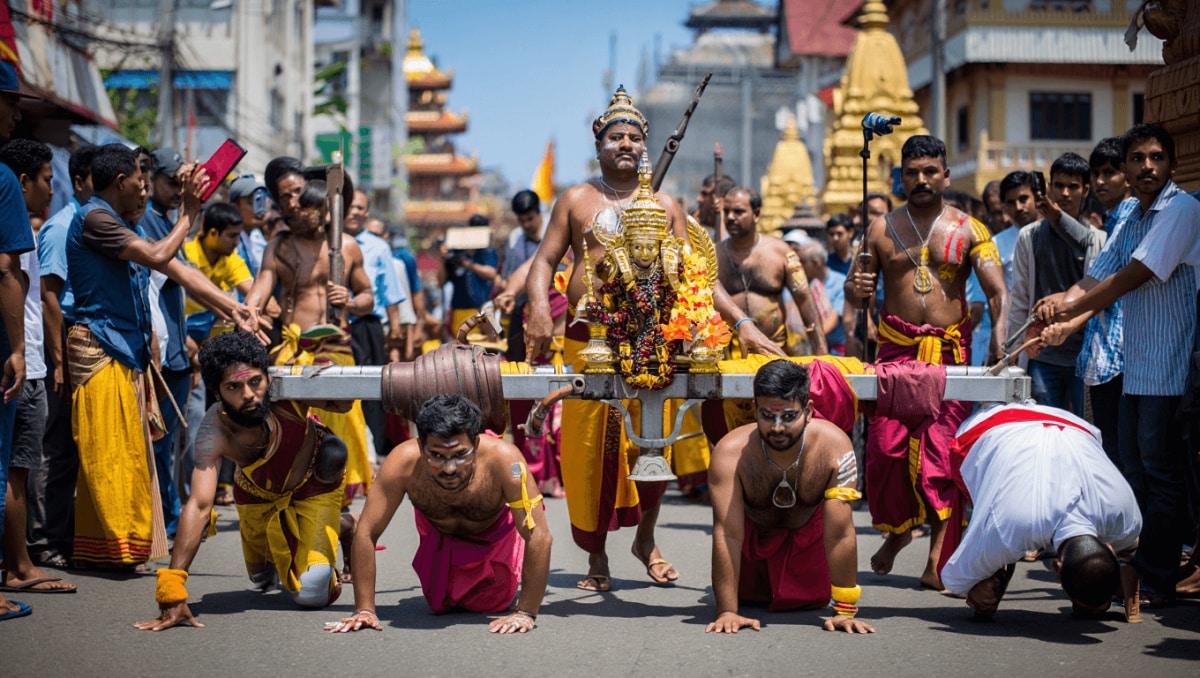
Today, many devotees emulate that act by shouldering kavadis laden with milk, fruit or other offerings and walking long distances to a temple. Some kavadis are simple; others involve body piercings or hooked structures. For believers, the physical strain and ritual austerity are forms of purification and an outward sign of inner commitment.
- Preparation period: Many practitioners observe a dedicated preparatory phase, commonly lasting around 48 days, involving vows, dietary restrictions and intensified prayer.
- Ritual range: Practices vary widely — from quiet fasting and prayer to public carrying of kavadis and corporeal piercings.
- Inclusivity: Participation spans ages and backgrounds; not everyone follows extreme austerities, and many attend as supporters rather than principal devotees.
Why Malaysia hosts the largest observance
Although Thaipusam originates in South India, the most prominent public celebration takes place in Malaysia, notably at the Batu Caves complex near Kuala Lumpur. A sizable Tamil community established during colonial-era labor migrations has kept the festival vigorous and highly visible there.
At Batu Caves the ritual procession is on a grand scale: devotees pull a silver chariot over several miles and climb the temple’s 272 steps to present offerings at the shrine. The site’s 140-foot statue of Murugan has become an iconic backdrop, attracting pilgrims, tourists and media attention each year.
Contemporary implications
As Thaipusam remains a major annual gathering, several practical and civic issues gain prominence:
- Public safety and health: Large processions require crowd management, first-aid services and sometimes coordination with public health authorities — particularly in post-pandemic contexts.
- Cultural preservation: Diaspora communities use the festival to transmit language, ritual practice and identity to younger generations.
- Tourism and urban planning: Cities that host major observances must balance pilgrim needs with resident concerns about traffic, sanitation and noise.
- Religious freedom: The festival’s visibility highlights the role of pluralism in multicultural societies and raises occasional debates about public space and regulation.
Thaipusam is therefore not only a centuries-old devotional observance but also a living practice that interacts with modern civic life. Whether experienced as a solemn vow, a family pilgrimage or a cross-cultural spectacle, the festival continues to shape community bonds and public conversations wherever it is celebrated.