Show summary Hide summary
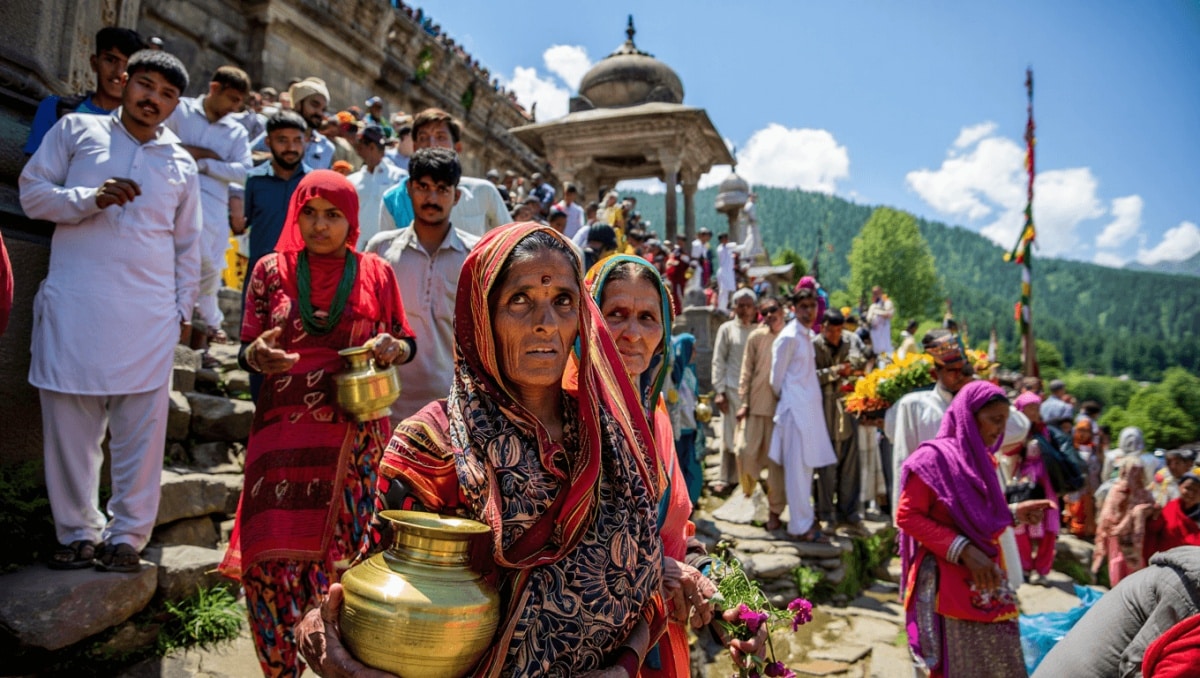
Each summer, thousands of pilgrims return to a spring-side shrine in central Kashmir to honor a local guardian goddess, a ritual that has become a touchstone for cultural memory and communal ties in a region marked by decades of upheaval. The Kheer Bhawani pilgrimage — centered on the veneration of Ragnya Devi in the village of Tulmulla — matters now because it signals both the endurance of Kashmiri Pandit traditions and a rare example of grassroots interfaith protection amid long-running conflict.
Who is Ragnya Devi and why is she central to this festival?
Within the Kashmiri Shaiva tradition, the divine feminine or Shakti is as essential as the supremely worshipped Lord Shiva. Ragnya Devi is one such local manifestation of that feminine principle, revered by Kashmiri Pandits as the protective deity of their homeland.
Shah Rukh Khan used the name Abinav to ease in-law worries: Gauri adopted Ayesha during nikaah
Javed Akhtar hails Hindu festivals as cultural glue: throwback of atheist celebrating resurfaces
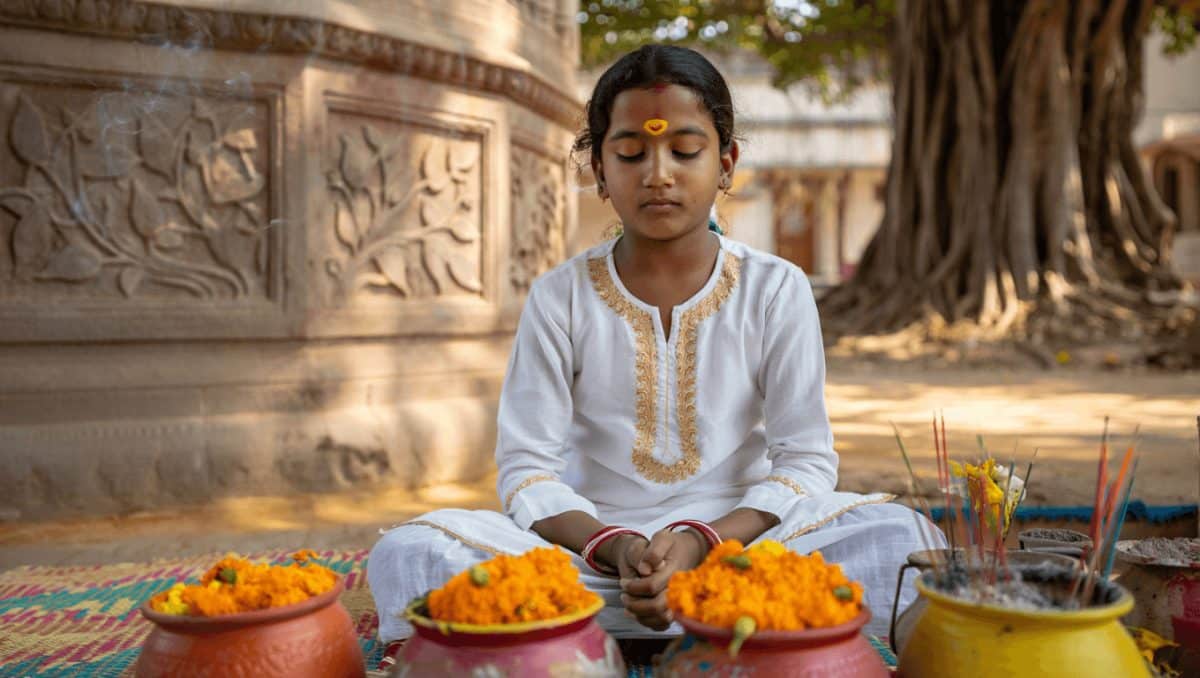
The festival falls in the month of Jyestha (around May–June), a seasonal moment when many Hindu communities mark renewal and abundance. For devotees, the celebration is less about spectacle and more about an intimate exchange: offerings, prayers and the ritual preparation of kheer — a milk-based sweet rice pudding — as a central act of devotion.
How the cult at Tulmulla began
The shrine’s origin story is tied to pan-Indian mythic themes. Tradition holds that the deity once resided away from the Valley and that local worship began only after devotees relocated her icon to a natural spring in Tulmulla — a setting valued for its perceived purity and stillness. Over time that spring became the focal point for communal rites and pilgrimage.
From major congregation to displacement — and a steady return
For much of the 20th century the Kheer Bhawani mela drew large gatherings, at times counted in the tens of thousands, and stood among Kashmir’s most significant Hindu observances.
That began to change sharply after 1989, when insurgency and targeted violence forced widespread displacement of Kashmiri Pandits. Estimates of those who left the Valley run into the hundreds of thousands; families abandoned homes and many temple sites fell silent.
Despite exile, Pandits preserved the rituals in makeshift settings, passing stories and practices on to younger generations. From the late 1990s onward, as relative stability returned in parts of the Valley, pilgrimages resumed and the mela gradually rebuilt its scale and visibility.
A symbol of local solidarity
One of the festival’s most striking features is the way local Muslim residents in Tulmulla historically cared for the shrine during the Pandit exodus. Villagers swept floors, kept lamps lit and guarded the spring — gestures many Pandits interpret as an affirmation that the goddess belongs to the land, not just a single community.
That shared custodianship is not a cure for the broader political tensions in Kashmir, but it provides a concrete example of everyday cooperation and cultural continuity that many observers find significant.
- When: Annually in Jyestha (May–June), with pilgrims often preparing days in advance.
- Where: Tulmulla, a village set around the sacred spring at the heart of the shrine complex.
- Core rituals: Early morning baths, offerings at small roadside shrines, and the central presentation of kheer to the goddess.
- Distinctive element: The spring is believed to change color at times, a phenomenon devotees read as an expression of the deity’s will.
- Why it matters: The event fuses spiritual practice with heritage preservation and serves as a rare example of intercommunal protection in a contested landscape.
What to watch this year
Attendance numbers, the tone of local participation and how authorities manage access and security are all indicators of the region’s broader social climate. For families whose lives were disrupted decades ago, each successful pilgrimage is both a religious act and a statement about return, memory and belonging.
At its best, Kheer Bhawani Mela illustrates how ritual can anchor identity while opening space for everyday solidarity. For readers following Kashmir’s shifting civic fabric, the festival offers a human-scale lens: the traditions that survive, who protects them, and what their revival says about the prospects for coexistence in the Valley.