Show summary Hide summary
I returned to the Himalayas in autumn 2022 for a short pilgrimage focused on the river that defines the region: the Ganga. Landing in Haridwar, the trip quickly revealed why the city remains vital today—for its living religious traditions, recovering forests and the thousands who arrive each year for ritual and respite.
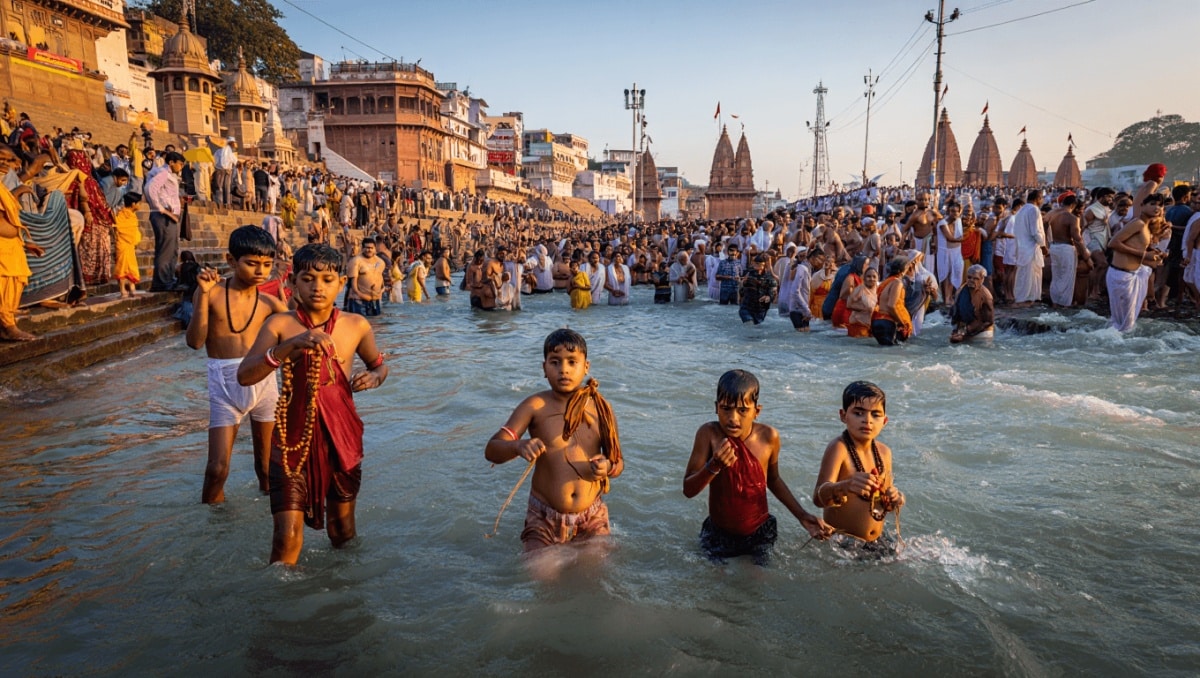
Haridwar’s rhythms are visible at once: crowded ghats, birdsong in hilltop temples and an unforced reverence for the river that threads the town together. My base for the visit was a long-established ashram near the river where the founder’s white memorial tower punctuates the neighborhood skyline.
At the river: small ceremonies, quiet observation
Shah Rukh Khan used the name Abinav to ease in-law worries: Gauri adopted Ayesha during nikaah
Javed Akhtar hails Hindu festivals as cultural glue: throwback of atheist celebrating resurfaces
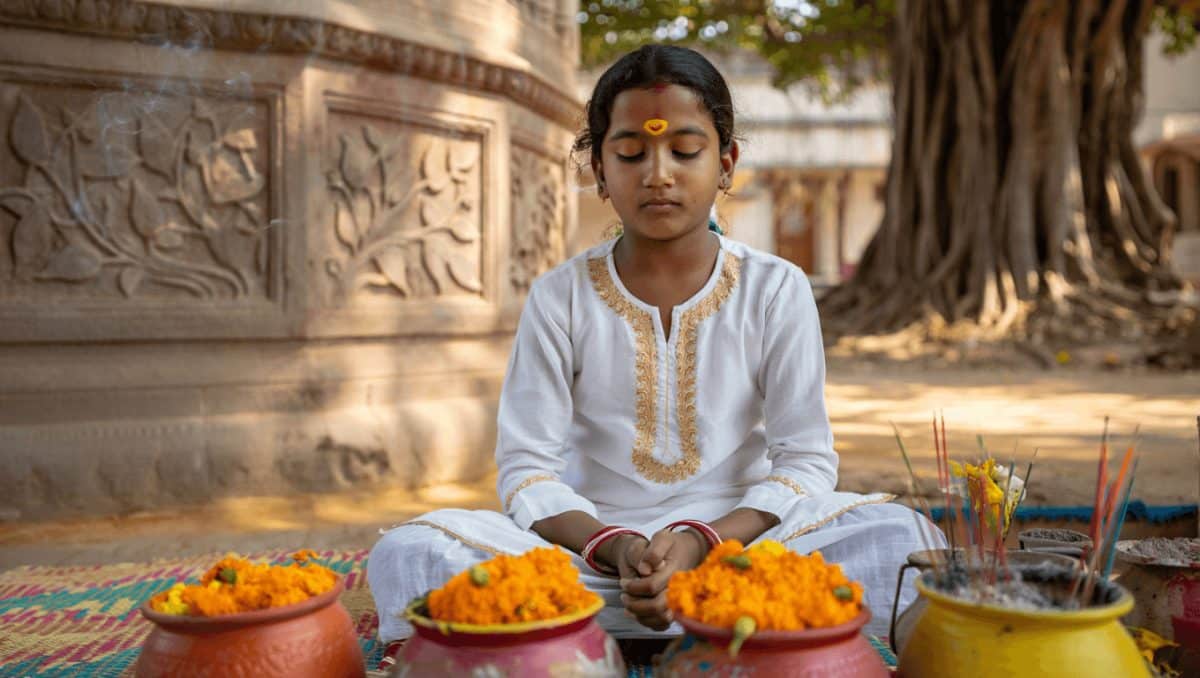
A few minutes’ walk from the ashram puts you at the water’s edge. In one shaded grove I watched people arrive alone and sit for long, quiet offerings—flowers, murmured mantras, and deliberate bathing rituals. The scene felt less like a tourist spectacle and more like ongoing, everyday devotion.
Sitting beside the rippling current, I removed my shirt and stepped into the cool flow. The river’s Himalayan-fed temperature is immediate and restorative on warm days, and the ghat activity varies from domestic washing to full ceremonial rites at a nearby Shiva linga.
Monkeys and cows share the steps with worshippers; each tree along the bank is often treated as its own tiny shrine, wrapped with threads or marked with small altars.
Temples in the hills and an evening that lingered
Haridwar’s hilltop shrines—most notably Chandi Devi—sit tucked into forested slopes. The area is rich in what local traditions call Siddha Pithas: temples associated with specific forms of the goddess and practices that attract devotees seeking spiritual milestones.
The cliffs and waterfalls around these temples are alive with bird calls, and clouds breaking over the valley produced one of the clearest sunsets I witnessed during the trip. Later that night we joined the riverfront aarti at Har-Ki-Pauri, where oil lamps and the cadence of bells give the Ganga a visible, mobile glow.
Despite the crowds at some sites, there’s often a surprising hush—a collective focus that tempers the bustle and makes crowded darshan feel intimate rather than chaotic.
Forest restoration and sacred groves
Beyond ritual, Haridwar’s green spaces stood out. Several temple forests (shreevans) are actively managed for Ayurvedic plants, and local groups have worked in recent decades to expand and protect groves rather than let them shrink.
At one Bilva grove we encountered birdhouses and young saplings planted alongside ancient trees. The conservation work is practical—seedlings, trails, reforestation—and symbolic: these groves are protected because of their religious significance, which in turn supports biodiversity.
- Anandamayi Ma Ashram — longstanding spiritual center with a marble memorial and daily aarti rituals.
- Shitala Ghat / Brahm Vihar — a quiet riverside grove where pilgrims bathe and meditate.
- Chandi Devi & Manasa Devi — hilltop temples with strong devotional followings and forested surroundings.
- Daksheswara Mahadev — an ancient Shiva site linked in local lore to the Daksha–Sati story and marked by large sacred trees.
- Bilvkeshwar Mahadev — a forested hill temple with nearby tapovan areas and small ascetic dwellings.
Rituals, mantras and community practice
Some local shrines teach specific mantra sets and devotional practices linked to particular life goals—education, prosperity, or resolving personal obstacles. These teachings are part of a long lineage of temple-based spiritual instruction and remain actively practised by devotees who travel specifically for initiation or instruction.
At one temple we experienced a private Shodashopachara Ganesha puja arranged by a friend—a reminder that formal priest-led rites continue to be central to many visitors’ pilgrimages.
Walking between shrines you’ll also notice practical signs of community life: markets, food stalls, and people tending small altars in doorways. Haridwar functions both as a site of high ritual and as a living town where daily routines and spiritual life intersect.
What this visit suggests now
Haridwar matters today for several overlapping reasons: it is a major node in contemporary pilgrimage networks; it demonstrates how religious values can buttress ecological restoration; and it offers a model of urban space where ritual, commerce and conservation coexist.
For visitors and planners, those intersections create opportunities—and responsibilities. Increased pilgrimage traffic sustains local economies but also raises questions about waste, water management and the long-term health of riparian ecosystems. The visible reforestation work in Uttarakhand points to one hopeful approach: leveraging cultural significance to protect and restore natural habitats.
For travelers considering a visit, Haridwar is accessible, fairly safe, and deeply atmospheric. Many women and solo travelers move through the city at night with a sense of ease that reflects both local customs and active community life.
Quick practical snapshot
| When I visited | October 2022 (trip notes updated through mid-2025) |
|---|---|
| Base | A central ashram near the ghats with daily aarti and close river access |
| Highlights | Riverside groves, hilltop temples, evening aarti at Har-Ki-Pauri |
| Local initiatives | Forest restoration, Ayurvedic plant cultivation, community-led conservation |
Note: The pilgrimage described took place in late 2022. Temple activities, opening hours and transport options were checked and are current as of mid-2025, but local conditions can change—visit planners should confirm details before traveling.