Show summary Hide summary
A short, remote pilgrimage in the Garhwal Himalaya reveals how local faith and fragile mountain logistics intersect — and why these little-known Naga shrines matter now for heritage-minded travelers and communities protecting ritual traditions. After preparing in Haridwar, I followed a rough map, a willing local taxi driver and a night on a solitary mountainside to reach the scarcely visited Sem Nagraj Temple, a site still stewarded by local priests.
Before setting off, we performed a ritual in Haridwar to seek protection for entering Naga territory. On the banks of the Ganges we offered a Rudra Abhishekam at a Shiva linga venerated as Nageshvara, a customary step recommended by local scholars to placate potent serpent forces before approaching their shrines.
Manasa on the foothill: a demanding guardian
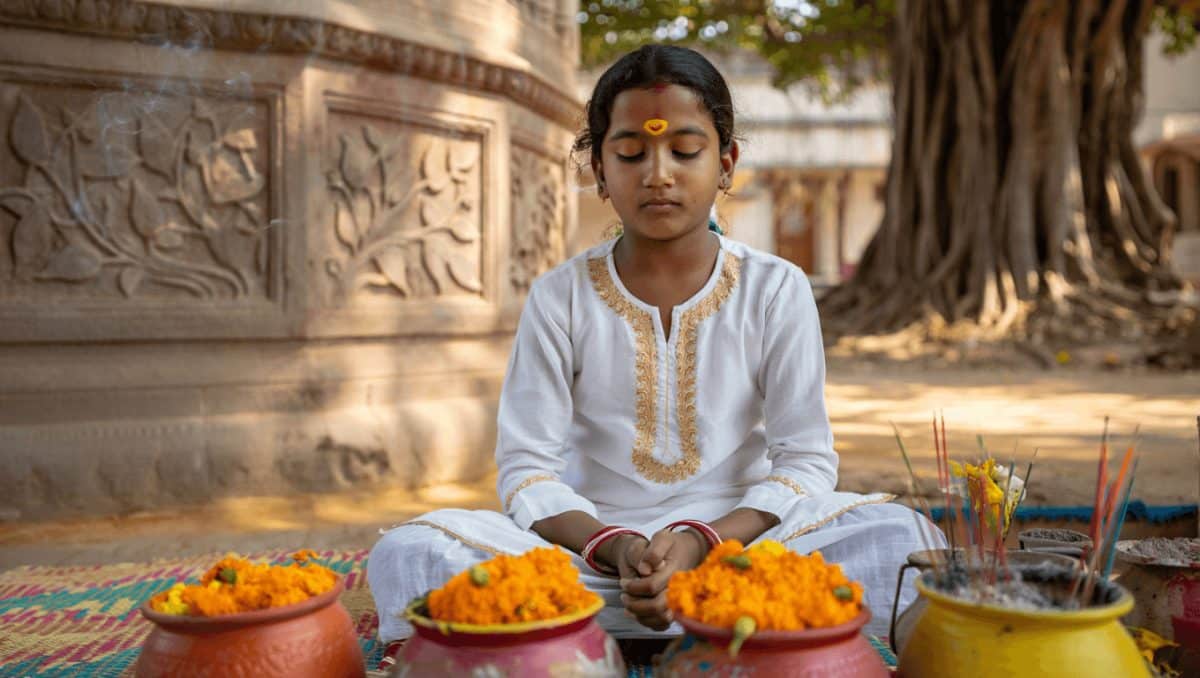
A short drive later we visited the temple of Manasa, perched on a forested slope above a small town. The goddess is widely venerated in Garhwal and reputedly expects formal devotion before one may respectfully enter Naga territory. Inside a crowded inner sanctum we found a quiet corner to perform a private puja following the devotional formula found in traditional sources, offering flowers, incense and chanting the goddess’s epithets for protection against snakes.
Shah Rukh Khan used the name Abinav to ease in-law worries: Gauri adopted Ayesha during nikaah
Javed Akhtar hails Hindu festivals as cultural glue: throwback of atheist celebrating resurfaces
The mood at Manasa’s shrine was intense but orderly; the local community clearly maintains the site and regards it as a living obligation rather than a tourist attraction.
Into the high valley: getting to Sem Mukhem
We left Rishikesh with a driver who reluctantly agreed to take us into the mountains. The supposed five‑hour route swiftly proved uncertain. Road signs were sparse, villagers could only point in the general direction, and the final stretch became a narrow, unmaintained track that turned to rockslides and loose dirt as daylight faded.
At dusk we reached the last cluster of lights — a roadside shack where two men confirmed what the maps and locals had not: Sem Mukhem was indeed real, and the temple stood above a single mountain peak. The driver returned to the valley; we were left to find lodgings with a family in a farmhouse at the mountain’s base.
The household accepted a modest payment and offered food. The family’s treatment of their animals — a placid, well‑cared cow and a friendly dog — was the clearest local reference I had for trustworthiness. Their simple home had no running water and the toilet was outside; they warned us about snakes and leopards at night. Still, the quilts were warm and the silence of the mountains was absolute.
- Why this matters: these settlements are custodians of ritual sites that receive few outsiders, and their hospitality is crucial to continued stewardship of those places.
The ascent and the temple
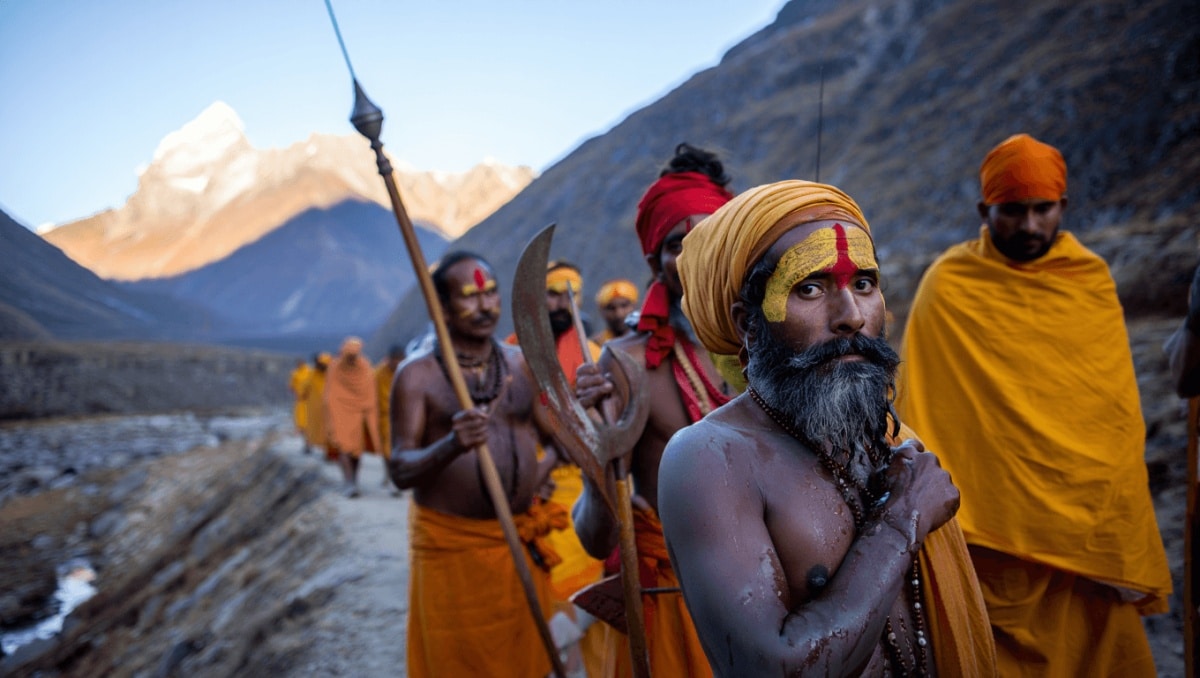
An hour and a half of steep hiking through dense forest took us past a small sacred tree shrine and into a clearing where the temple gate rises against a backdrop of tall firs. In places the canopy opened to reveal distant, snow‑capped Himalayan peaks.
At the temple we found only the head priest and two assistants. They welcomed us with chai and conducted morning rites; none spoke English, and our exchanges depended on halting Hindi and patient gestures. They expressed genuine surprise that foreigners had come.
The priest recounted the temple’s origin in local terms. Their narrative places a powerful Naga — identified as Kaliya Nagaraja — as the mountain’s ancient resident, who once waged havoc on valley inhabitants until a visiting guru intervened. The two met at a rock face where a secret passage to the underworld once opened, a dialogue followed, and a negotiated relationship was established: the community would perform offerings and rituals in return for blessings on crops and livestock. A royal patron reportedly consecrated the site and endowed a hereditary priesthood to maintain those rites.
Today the temple is built around a sacred stone still embedded in the slope. The priest demonstrated local ceremonies meant to pacify and honor the Naga, and accepted a small offering of water I had brought from the Neelkanth Mahadev spring.
| Feature | What to expect |
|---|---|
| Access | Rough mountain roads from Rishikesh; last stretch is footpath and steep. |
| Facilities | Very basic: family homes, no running water in some houses; external toilet; limited food supplies. |
| Language | Local priests speak Garhwali dialect; Hindi helps but expect translation gaps. |
| Rituals & services | Traditional pujas, blessings; priest claimed ability to perform rites related to Kal Sarpa Yoga. |
Local stewardship and atmosphere
The temple felt authentic and well maintained: painted walls, cared‑for shrines and a clear sense that villagers value the place. Far from the better‑known Himalayan pilgrim circuits, this site retains practices and an oral history that are rarely recorded elsewhere.
For me the presence of the Naga here was not threatening; it felt protective. The priests perform ceremonies regularly and keep the relationship between human community and mountain spirit alive.
Practical takeaways for visitors
- Prepare for minimal infrastructure: pack water, warm bedding and food for basic overnight stays; do not expect shops or reliable transport after sunset.
- Language and respect: learn basic phrases in Hindi or travel with a local speaker; follow local protocols when offering prayers or gifts.
- Ritual etiquette: consult priests about appropriate offerings; many villagers expect formal veneration before accessing Naga sites.
- Safety: mountain tracks can be hazardous and navigation unreliable; plan with extra time and a flexible itinerary.
Although the journey I describe took place in autumn 2022, I verified logistical and site details against sources current to mid‑2025. Mountain access can change quickly — landslides, road work and seasonal closures are common — so prospective visitors should confirm up‑to‑date travel conditions before going.
Photographs used with permission: Devala Rees.