Show summary Hide summary
- The rivers, the town and why the 1806 quake still matters
- Staying on the river: Yog Niketan Ashram and the riverside quarter
- Ghats, cremation and local attitudes toward death
- Temples you’ll pass — and where pilgrims actually begin
- Small streets, deep histories
- The Sapta Vishwanath — seven linked shrines
- Ritual customs and the town’s social fabric
- What visitors should know now
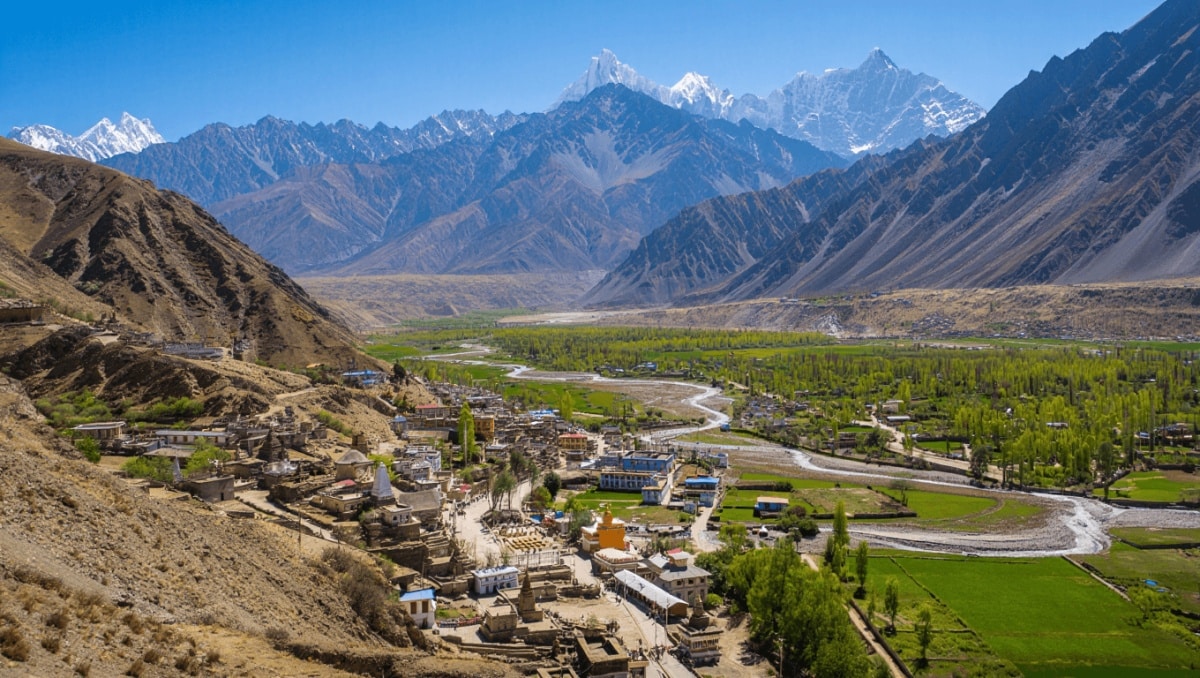
Nestled where mountain streams carve the valleys of Garhwal, Uttarkashi unfolds as a compact pilgrimage town whose streets, ghats and temples still bear the imprint of a dramatic 19th-century earthquake. What visitors find today — a cluster of quiet ashrams, riverside cremation grounds and dozens of small shrines — is the product of both ancient ritual practice and a landscape remade by seismic force.
The rivers, the town and why the 1806 quake still matters
Uttarkashi sits beneath Varanavata Peak and between converging channels of the sacred Ganga system. A major seismic event in 1806 shifted the river’s path and, with it, the town’s spiritual geography. Where water flowed before, roads and ghats were later built; devotees reinterpreted the river’s new northward bend as an auspicious echo of Varanasi’s sacred curve.
Shah Rukh Khan used the name Abinav to ease in-law worries: Gauri adopted Ayesha during nikaah
Javed Akhtar hails Hindu festivals as cultural glue: throwback of atheist celebrating resurfaces
This realignment had lasting consequences: new ghats were established along the revised channel, ritual routines were reassigned and the town’s protective and administrative deities—installed or recognized after the quake—became central to local governance and religious life.
Staying on the river: Yog Niketan Ashram and the riverside quarter
On the Bhagirathi’s bank, a handful of ashrams line a compact, meditative quarter south of the market. One that stands out is Yog Niketan Ashram, which offers simple rooms and a balcony with a direct view of the river. For many travelers this stretch of riverfront becomes the defining experience of Uttarkashi: long afternoons spent watching the current, short walks between temples, and the steady sound of the Ganga as a backdrop.
The proximity of living spaces, prayer rooms and the river means visitors are rarely far from ritual life. Even with doors closed, the roar of the Bhagirathi is audible; at night that sound often accompanies sleep.
Ghats, cremation and local attitudes toward death
The southern riverfront holds some of the town’s most sacred and contested spaces. Kedar Ghat—also called Mukti Ghat—serves both as an important place for bathing and prayer and as a site where cremations take place almost daily.
Unlike many urban cremation grounds that are hidden away, Uttarkashi’s pyres remain in plain view of ashrams and river-side paths. For pilgrims and residents this openness reinforces religious ideas of impermanence and detachment; for first-time visitors it can be a confronting sight. Locals treat ashes as part of daily life—swept away routinely and folded into the rhythms of the riverside community.
Temples you’ll pass — and where pilgrims actually begin
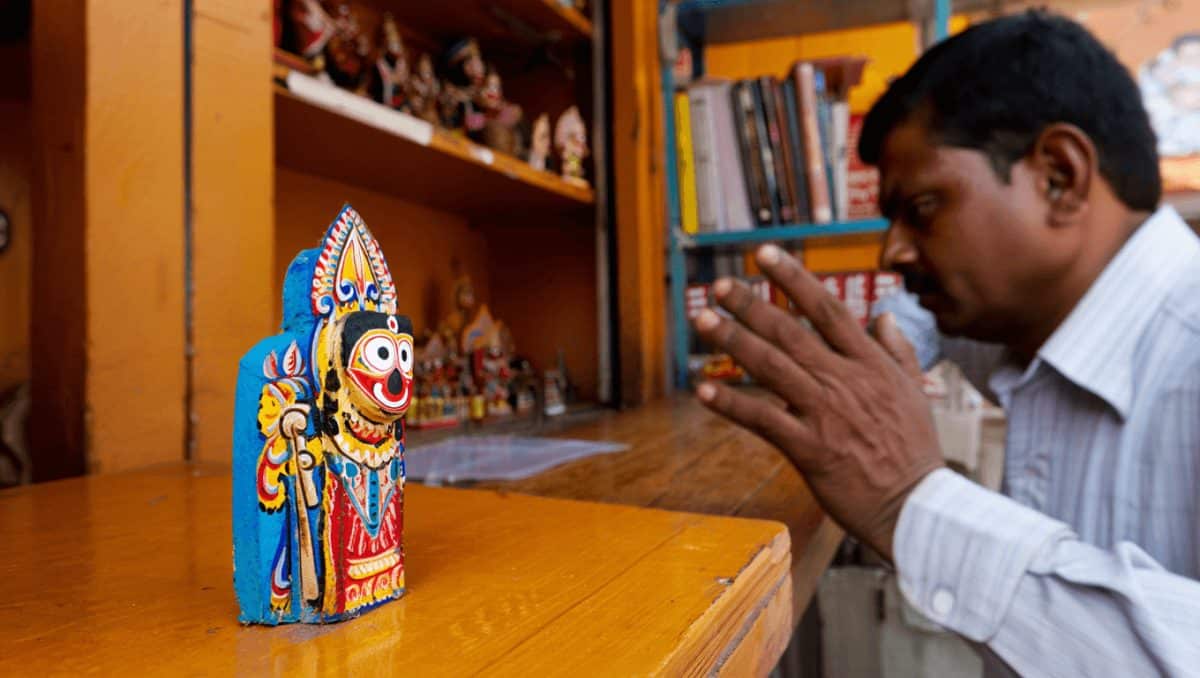
Many visitors head straight to the central Shiva shrine, but traditional practice prescribes a different first stop: Ananda Bhairav at Bhairav Chowk. In Uttarkashi the town’s guardian forms and administrative deities are taken seriously—priests and residents often seek their blessings before larger rituals.
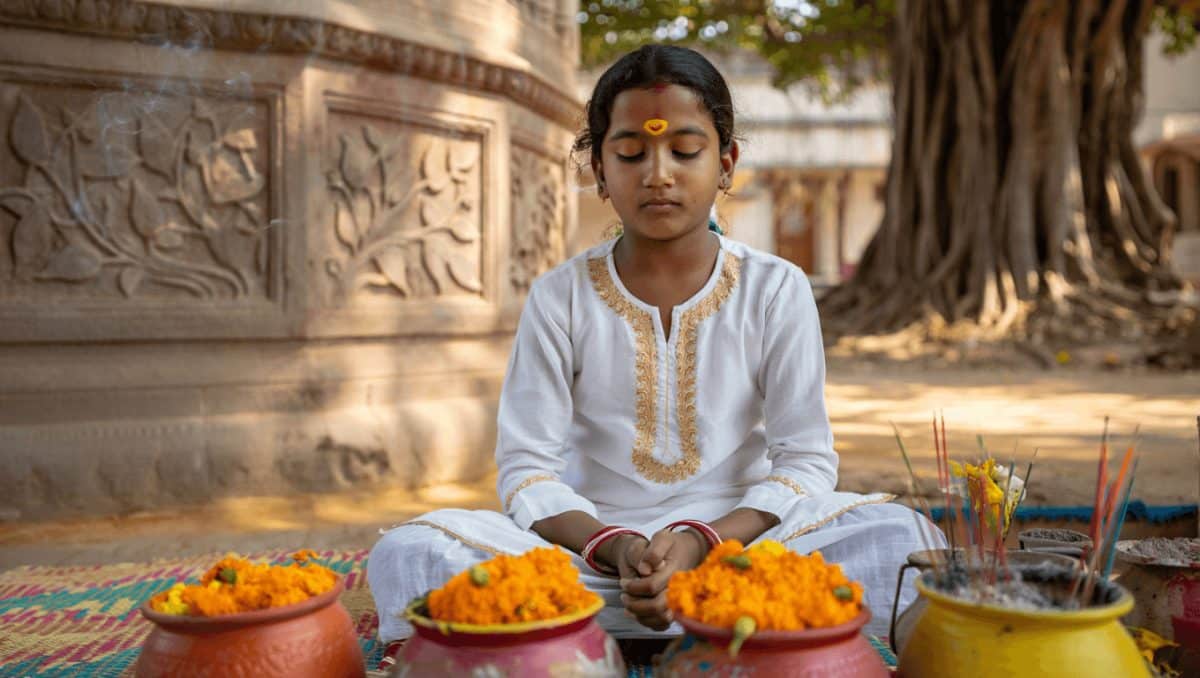
Nearby, the compact temple cluster includes older shrines now maintained by different monastic orders. A small Kedarnath temple at the riverside preserves an ancient linga said to mirror the energy of the high-altitude Kedarnath; the adjacent Ramanandi community manages the temple and maintains everyday services that sustain the local ritual economy.
- Start point for many pilgrimages: Ananda Bhairav Temple (Bhairav Chowk)
- Principal Shiva shrine: Vishwanath Temple (central Uttarkashi)
- Riverside focal points: Kedar Ghat (Mukti Ghat) and Manikarnika Ghat
Small streets, deep histories
Walk beyond the market and you’ll find narrow alleys linking ashrams, Pipal trees and quiet meditation corners. In one courtyard between Yog Niketan, Kedarnath Temple and the adjoining ghat, an ancient Pipal marks a spot where, according to local tradition, underground meditation caves once lay before they were lost to flood and landslide following the 1806 event.
Today bird song often fills that courtyard; the area reads as a living palimpsest of devotion, environmental change and community memory.
The Sapta Vishwanath — seven linked shrines
Pilgrims in Uttarkashi often aim to visit a group known locally as the Sapta Vishwanath, seven linked temples that form a spiritual circuit. The set commonly cited by priests and guides includes:
- Vishwanath (the main town temple)
- Gopeshwar
- Kirateshwar
- Koteshwar
- Maha Kaleshwar
- Laksheshwar
- Bimaleshwar (on Varanavata Peak)
Some of these lie within a short walk of the town center; others require a drive into surrounding terrain. For many devotees, completing this circuit holds both spiritual and communal value.
Ritual customs and the town’s social fabric
Uttarkashi’s religious life blends Shaiva, Smarta and other traditions. Offerings and prohibitions vary by deity: the sattvic form of Bhairav found here forbids blood sacrifice, while other local cults historically practiced forms of animal offering—practices that have been curtailed or reinterpreted over time.
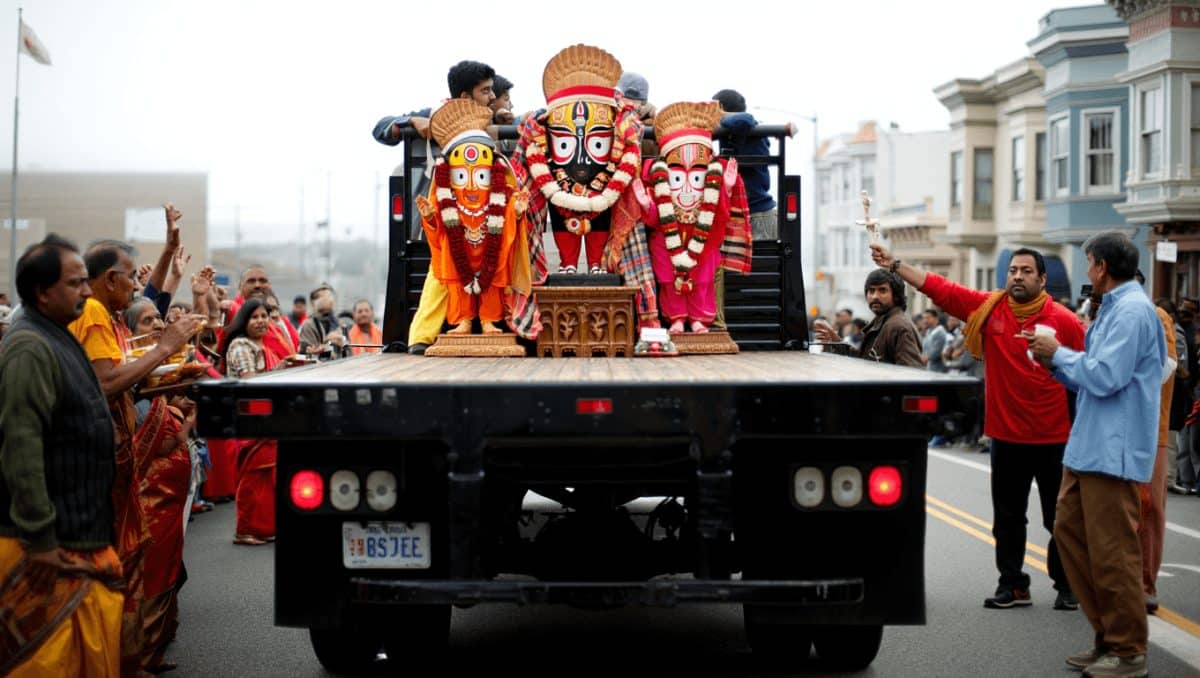
The town’s gramadevata, locally revered as Kandar Devata, plays an active role beyond the purely ceremonial: festival calendars, processions and even some civic habits have been shaped by the belief that the deity’s blessing legitimizes key actions. Temples and the municipal center sit close to one another; priests and administrators continue a centuries-old entanglement of ritual authority and everyday governance.
What visitors should know now
- Uttarkashi is compact — most key sites are walkable but terrain is uneven and can be steep.
- The riverside ghats are active ritual spaces; cremations are routinely visible near bathing areas.
- Weather can change quickly in the hills; light shelters and local guidance are helpful during sudden storms.
- Seismic and landslide risk remains part of life in this region; routes and access points have changed several times in living memory.
For anyone planning a trip, it pays to check current transport and temple schedules in advance: local customs, entry rules and road conditions can shift seasonally.
Note: The author traveled to Uttarkashi in autumn 2022. The temple and site details above were cross-checked and are current as of mid‑2025, but practical logistics (access, timings and local rules) can change quickly; verify before you go.