Show summary Hide summary
Uttarkashi’s riverside rhythms and temple rituals offer a rare window into living Himalayan traditions — and they matter now as pilgrimage, conservation and local livelihoods all intersect amid rising tourist interest. A few days beside the Bhagirathi revealed how daily worship, seasonal festivals and quiet acts of devotion keep these practices visible and resilient.
I returned to Yog Niketan Ashram with a balcony that looked out over the river. Evening prayers — a slow, amplified rendition of the Hanuman Chalisa — drifted across the water, setting a contemplative tone. Small, repeated scenes of devotion unfolded below: morning ablutions, offerings to trees, and people slipping into temples for aarti.
The river and trees as living shrines
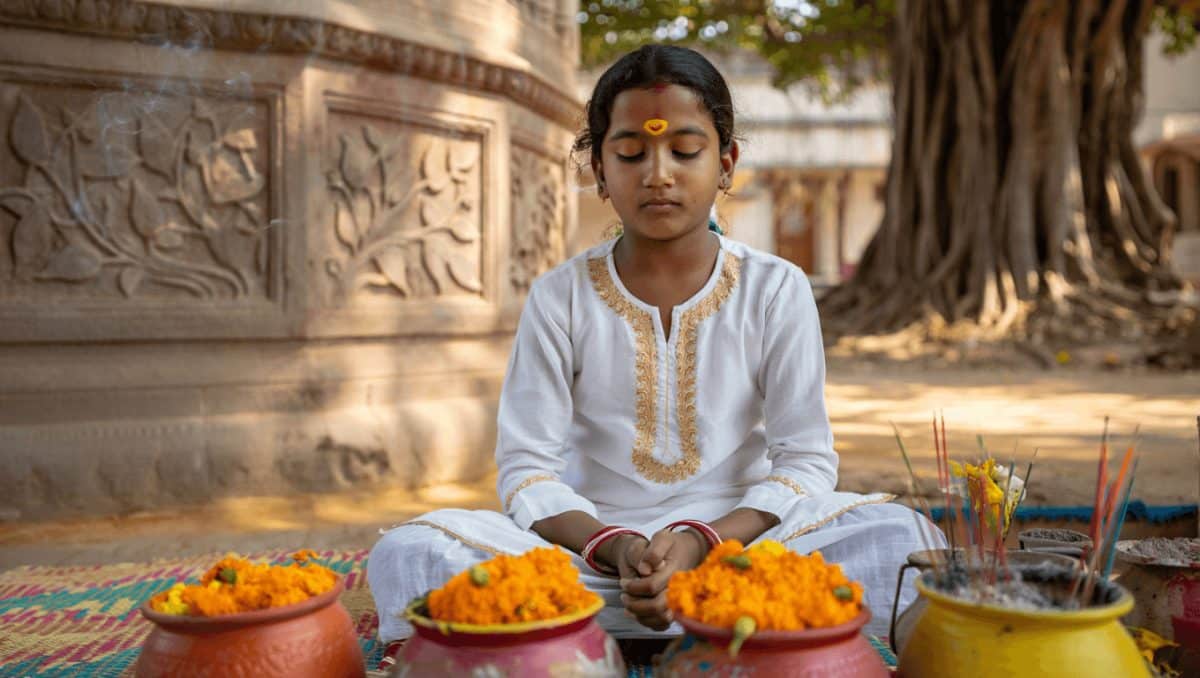
The most striking impression was the frequency of informal acts of reverence. Locals paused on their way to work to pour water, sit in silence by the bank, or circle the sacred pipal. One morning a man completed his asana, filled two copper pots at the river, poured water at a great pipal, placed the other at a small Shiva shrine, and then entered Kedarnath Temple for the aarti — a compact portrait of continuity.
Shah Rukh Khan used the name Abinav to ease in-law worries: Gauri adopted Ayesha during nikaah
Javed Akhtar hails Hindu festivals as cultural glue: throwback of atheist celebrating resurfaces
Communion with the landscape — gratitude for the Ganga, respect for the mountains and the trees — is the valley’s dominant spiritual language. It showed up in simple moments: a married woman offering a libation, an elderly meditator on a bench, a teenager in Western clothes filling a copper lota and offering it to a tree with quiet attention.
I joined a local group for a full snanam in the river and spent long hours on my balcony chanting a mix of traditional stotras and bhajans, marking a confluence of personal practice and public ritual that felt very present there.
A festival mood, briefly interrupted
A sudden lightning strike knocked out Uttarkashi’s power for several hours. The blackout coincided with an informal start to Diwali celebrations: intermittent fireworks, shop displays gearing up for Dhanteras, and street life animated by festival preparations. A street cow received offerings of raisins on Govatsa day, and that evening I attended a Rama aarti led by Ramanandi monks — complete with conch, bells and printed bhajan lyrics for the crowd.
These events underline how festival calendars, local customs and unexpected disruptions combine to shape lived religion in the town.
- Rituals to observe: river snanam, Rudrabhishek ceremonies, evening aarti at Kedarnath and local shrines.
- When to visit: autumn (around Diwali) for full festival atmosphere; Pradosh and Trayodashi bring important temple observances.
- Local customs: offerings to trees and cows are common; mustard oil is often used in Shani worship.
- Practical note: short footbridges and hill paths connect many shrines — be prepared for steep, uneven walking and verify transport options seasonally.
Sacred sites and hillside walks
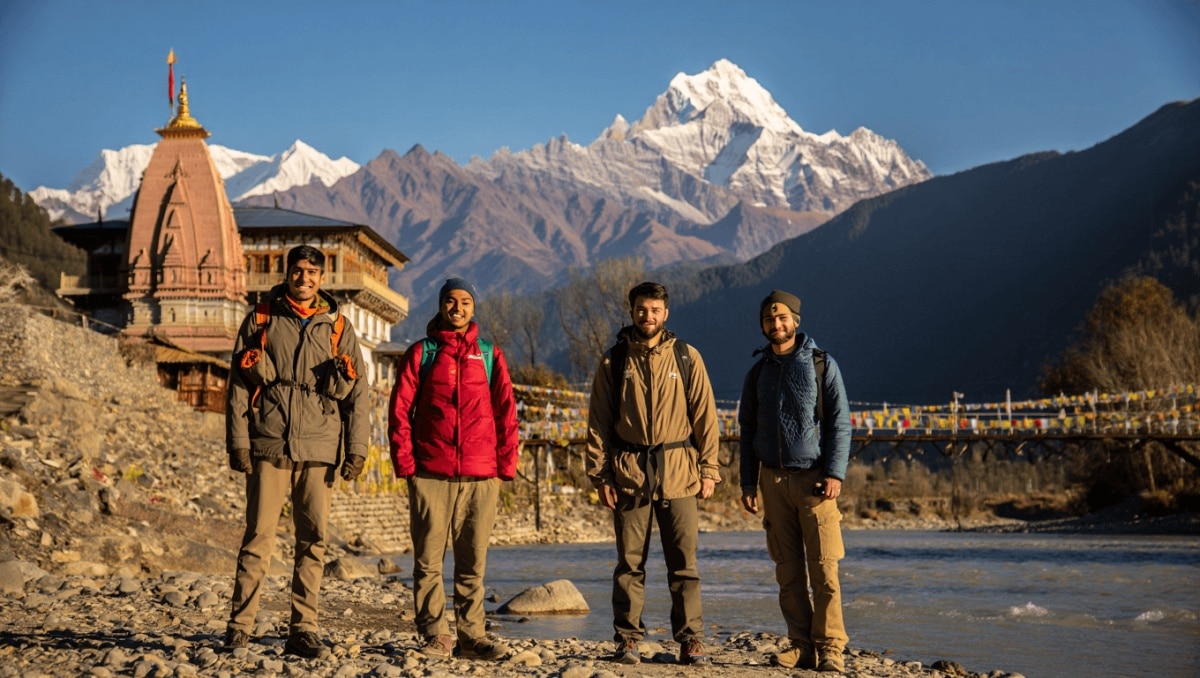
On a clear morning I walked Kedar Ghat eastward. The day was calm and the town’s devotional life was visible at every turn. I visited the Kashi Vishwanath and Kedarnath lingas for Rudrabhishek observances; the Kedarnath linga sits beneath a five-headed golden Naga and attracts concentrated devotion on Pradosh.
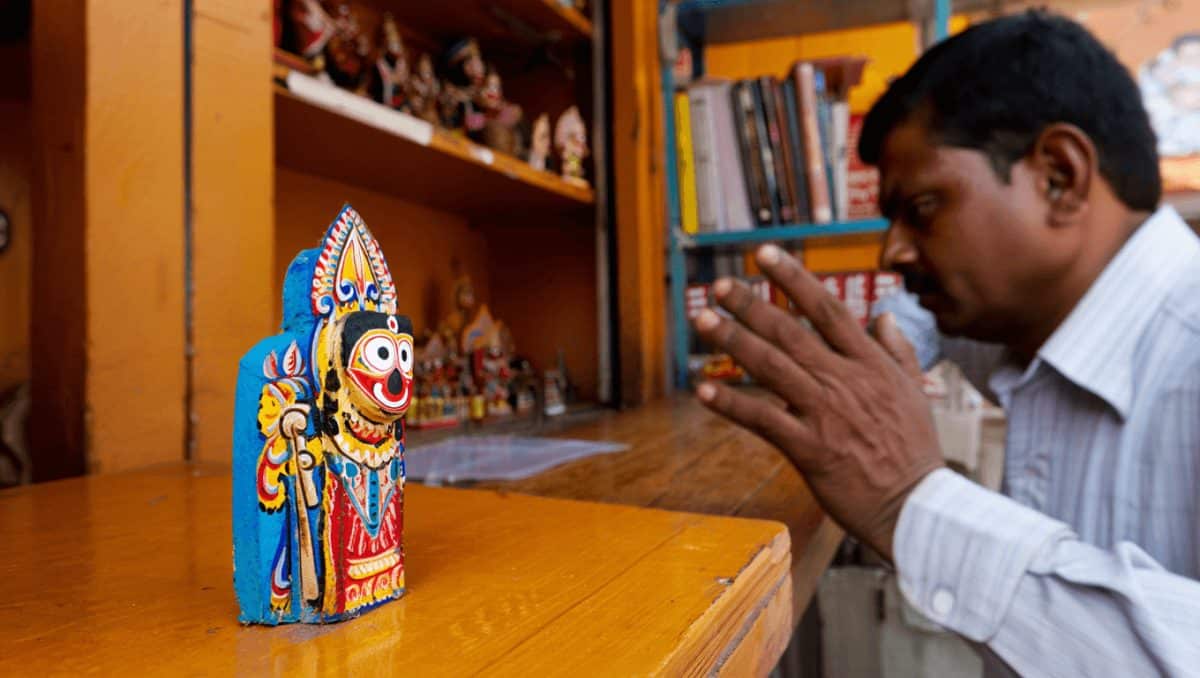
Nearby, the Rudreshwar Temple at the Punjab Ashram hosts images of Shani and Hanuman beneath a large pipal; on a Saturday Trayodashi the deities were anointed with a steady flow of mustard oil by worshippers. These rituals combine calendrical significance with persistent local devotion.
A short trek beyond town led to the Kuteti Devi Temple, whose founding story connects a woman from Kota, Rajasthan, with a local shrine that manifested as aromatic stones on a hill across the river. The priest and I chanted the Siddha Kunjika and shared devotional song, and the hilltop view back toward Uttarkashi is notably striking.
To the summit: Bimaleshwar on Varanavata
We drove the road as high as possible and then hiked a kilometer through wooded trails to reach Bimaleshwar Temple at the peak of Varanavata Mountain. The ascent passed through quiet mountain life — a dozing donkey, a pair of mongooses — and culminated in a layered visit: private meditation inside the sanctum, a one-on-one puja with the head priest, followed by the public aarti and distribution of prasad.
From there we descended into Sangrali village, where slate-roofed houses and handmade roofing tiles speak to traditional cottage industries. Women were quarrying and shaping slate while toddlers played among the terraces; wild pigs, monkeys, cows and dogs moved freely along the paths as the sun set and Diwali lights began to appear.
The next morning marked the formal start of Diwali in town. Bells and lights were everywhere, and after a final walk through the festive streets we left by taxi for Dehradun Airport, continuing on to Delhi and then Kathmandu.
Why this matters now
Uttarkashi illustrates a wider trend: pilgrimage destinations balancing heritage and modern pressures. Visitors encounter living rituals that sustain cultural identity, support local economies, and shape conservation priorities for rivers and forests. The presence of young devotees and informal public practices shows these traditions are not frozen relics but adapting practices that matter to many people today.
For travelers and researchers, these observations matter because they point to where cultural continuity, seasonal movement, and infrastructure intersect — information that is useful for planning respectful visits and for understanding how local communities practice devotion in day-to-day life.
Practical checklist for visitors
| What | Tip |
|---|---|
| River ablutions | Bring a copper lota or use local vessels; modest dress and quiet conduct are expected. |
| Temple rituals | Arrive early for Rudrabhishek and aarti; printed bhajans or guidance are often available. |
| Hiking to shrines | Trails can be steep; wear sturdy shoes and carry water. Ask villagers for directions where signposts are absent. |
| Festival periods | Diwali brings lights and crackers; expect lively street activity and altered transport schedules. |
Editor’s note: The trip described here took place in autumn 2022. Details on the temples and sites were checked and remain current as of mid-2025, but local logistics and access can change quickly; visitors should confirm the latest practical information before travel. Photographs accompanying this report were provided by Devala Rees.