Show summary Hide summary
On August 15, as India observes its 78th Independence Day, Hindu communities across the United States are confronting a string of temple vandalism that has shifted celebrations into a debate over safety and belonging. The attacks, concentrated in several states and including a recent incident in Greenwood, Indiana, have raised urgent questions about protection for places of worship and the broader health of diaspora relations.
Vandalism across the country, community alarm
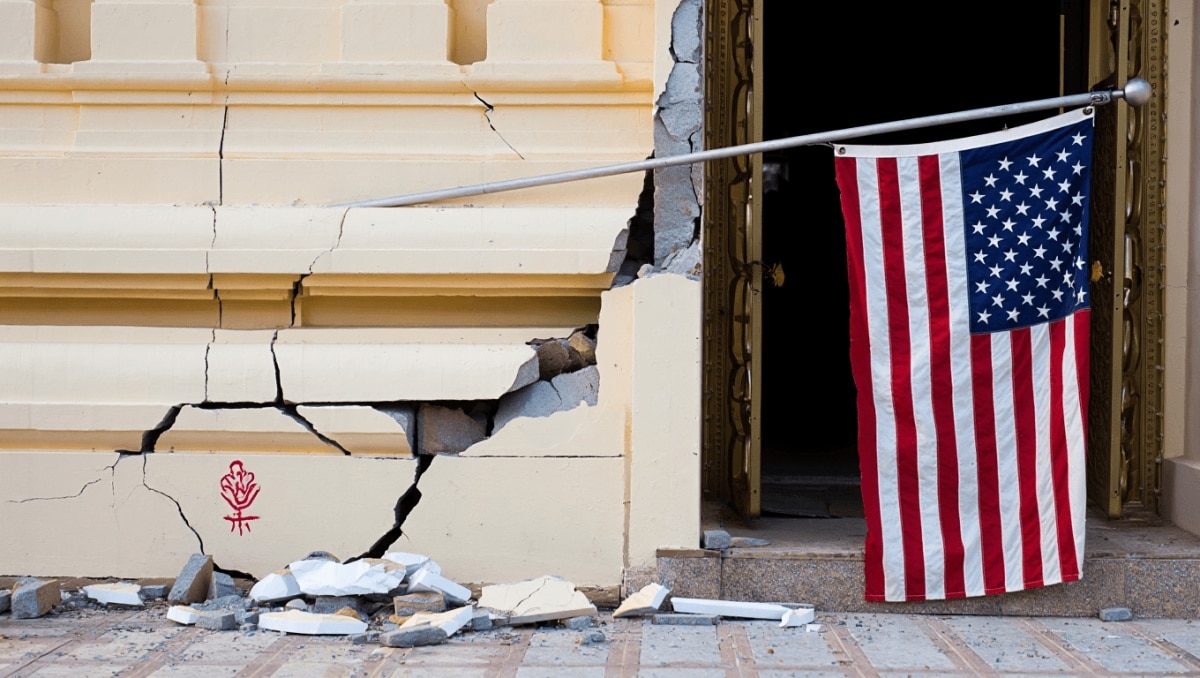
Since the end of 2024, community leaders and advocacy groups say at least eight Hindu temples have been defaced in the United States, with a number of incidents reported in California. The targets are not only prayer spaces: temples serve as cultural hubs, language schools, charity centers and meeting places for immigrant families.
Shah Rukh Khan used the name Abinav to ease in-law worries: Gauri adopted Ayesha during nikaah
Javed Akhtar hails Hindu festivals as cultural glue: throwback of atheist celebrating resurfaces
One well-known episode that sent shockwaves through local congregations occurred in Sacramento, where graffiti appeared on the entrance to a BAPS mandir last year. More recently, on August 11, a vandalism incident at another BAPS temple in Greenwood, Indiana, happened days before August 15, amplifying fears as Independence Day and other religious observances approached.
Why this matters now
The timing and repetition matter. Attacks on houses of worship resonate beyond the immediate damage: they erode a sense of safety, complicate civic participation, and can deepen fractures within and between diasporic communities. For many Hindu Americans the mandir is a connection to family history and religious practice, a place where language, values and community service are passed to younger generations.
Leaders in the Hindu American community are urging a measured but firm response: thorough investigations, transparent communication from law enforcement, and steps to protect congregations without normalizing vandalism as an accepted cost of religious life.
What investigators and communities are watching
Authorities are examining possible motivations and links between incidents. Some community advocates point to the activities of extremist groups that promote separatist agendas abroad; investigators have not publicly confirmed a single motive for the recent vandalism spree and inquiries remain active.
- Scale: Hundreds of Hindu temples operate in the U.S., serving widely dispersed communities; a cluster of attacks can have outsized local effects.
- Targets: Graffiti and property damage have primarily been the immediate harms, but leaders warn the pattern could escalate if not addressed.
- Response: Communities want clearer statements from law enforcement, faster investigations, and visible protection measures at worship sites.
- Community cohesion: Incidents risk stirring mistrust between groups in the diaspora unless officials and civil society push for dialogue and accountability.
Voices from the community
Those who use temples regularly describe a mix of emotions—anger, sadness, and a renewed focus on advocacy. Local chapters of national organizations are holding press briefings, coordinating with police, and working to document each incident in order to press for resources and attention.
Advocates emphasize that places of worship should be treated like any other public institution that needs protection. “Mandirs are community anchors,” says a regional organizer. “When they are targeted, the entire neighborhood feels it.”
Actions to consider
Policymakers, law enforcement, and community leaders can take immediate, concrete steps to reduce risk and restore confidence:
- Increase patrols and improve lighting and CCTV at vulnerable sites.
- Prioritize liaison officers who can work with faith leaders and translate community concerns into law-enforcement follow-up.
- Document every incident to identify patterns and potential coordination across jurisdictions.
- Fund community programs that strengthen interfaith ties and local engagement, reducing the space for radical narratives to spread.
These are practical measures, not political gestures; federal, state and local officials all have roles to play if the goal is to prevent escalation and protect civil liberties.
Looking ahead
For many Hindu Americans, the recent vandalism has forced a reassessment of what belonging looks like in daily life. Temple trustees are balancing openness with caution, continuing services while increasing security. Advocacy organizations will likely press for more visible commitments from elected officials in coming weeks.
The larger test for communities and authorities is whether these incidents are treated as isolated nuisances or as warnings that require coordinated, sustained action. Protecting places of worship is a public safety issue that affects neighbors of every faith and background.
Mandirs, community centers, law enforcement and civic leaders now face a choice: respond with stronger safeguards and clear accountability, or allow a pattern of attacks to erode trust and civic participation. The coming months will show which path is taken.