Show summary Hide summary
This winter’s Marghazi season — the southern Indian month that falls across December and January — has renewed interest both in India and among diaspora communities for its blend of quiet worship and public performance. As communities from Chennai to Sacramento stage concerts, recitals and small-home rituals, the month’s mix of introspection, art and nature feels especially relevant for people balancing tradition and travel.
What Marghazi signals
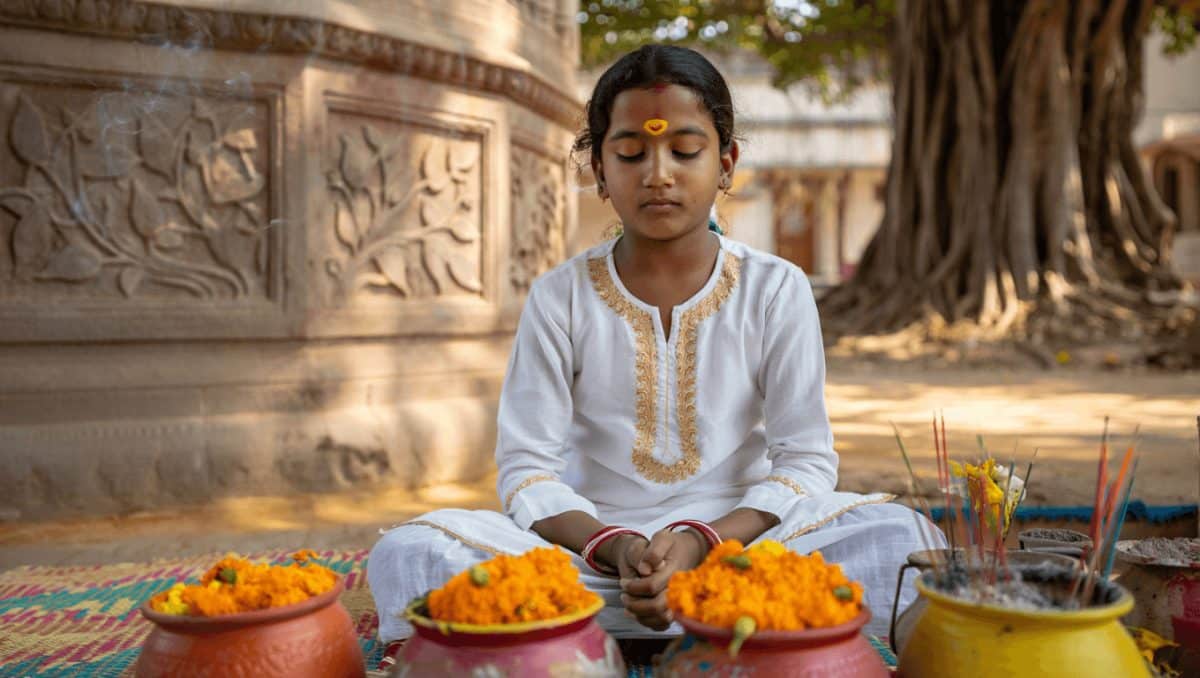
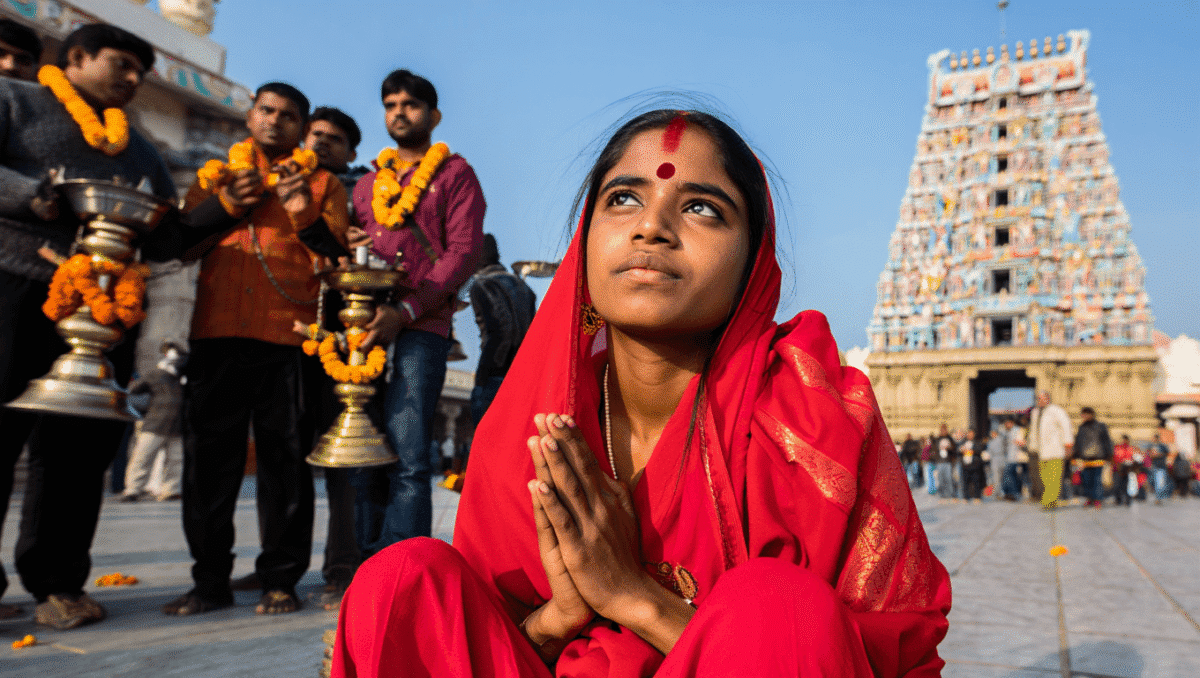
Marghazi (also Margashirsha) is traditionally a time for concentrated spiritual practice across Vaishnava and Shaiva traditions. Shorter days and long nights encourage private observance rather than the outward, ritual-heavy festivities that punctuate other months.
Shah Rukh Khan used the name Abinav to ease in-law worries: Gauri adopted Ayesha during nikaah
Javed Akhtar hails Hindu festivals as cultural glue: throwback of atheist celebrating resurfaces
The month is repeatedly mentioned in classical scripture as one of seasonal significance, and in many Tamil households it is treated as the most auspicious stretch of the year for devotional singing and early-morning worship.
Art, music and the festival circuit
In South India, December–January turns cities into stages. Chennai’s music season and numerous sabhas host dozens of Carnatic concerts and Bharatanatyam recitals, drawing performers and audiences from across the globe.
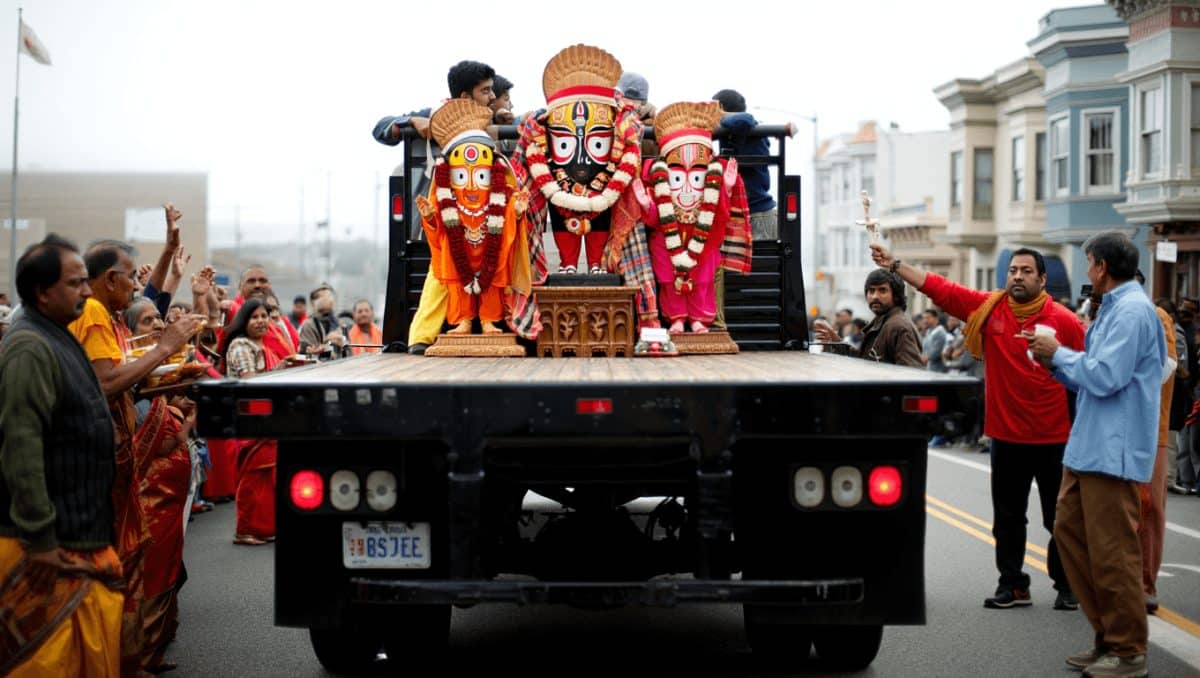
That energy is now crossing oceans. American cities — Sacramento among them — have launched Marghazi-themed music and dance festivals, where young second‑generation artists often perform alongside established names. For many attendees, these events offer both cultural continuity and new local networks.
Celebrating away from home: a personal example
Travel doesn’t have to interrupt ritual. One recent traveler marked a different Hindu festival, Vishu, while hiking in the Pyrenees. With a small brass lamp, a few locally available fruits and a traditional Kerala mundu, she arranged a minimalist Vishu kani for the morning ritual and later invited neighbors to a modest vegetarian feast.
The result was not theatrical authenticity but rather an exchange: neighbors asked about customs, compared notes on meditation and yoga, and shared hospitality. Small, improvised observances can serve as cultural bridges — and as reminders that intention often matters more than ritual completeness.
Nature as a living altar
Outdoor excursions during sacred times often deepen a sense of the divine. Snow-capped peaks and rushing rivers prompted reflections on Hindu metaphors — mountain abodes associated with deities and rivers as sacred journeys — and on mortality, during activities like canyoning.
Encounters with powerful landscapes frequently bring scriptural ideas to life: the natural world as wealth, and the possibility of meeting the sacred outside formal places of worship.
Why this matters now
Two developments make these observations timely: the spread of festival observance beyond traditional geographies, and growing interest among younger generations in hybrid, community-based rituals. As diasporas adapt, Marghazi and related observances are evolving into both intimate practices and public cultural events.
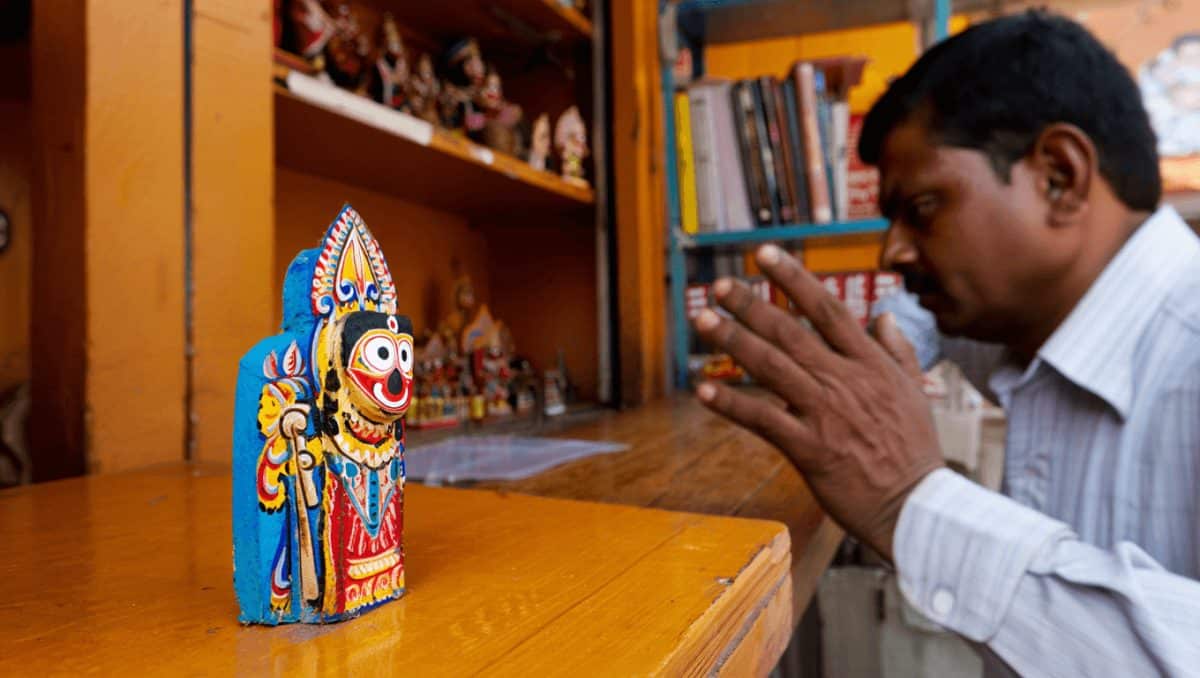
- For readers traveling during Hindu festivals: small, intention-driven rituals and simple offerings can sustain practice without access to a temple.
- For artists and organizers: Marghazi season presents opportunities to program classical performances that engage local, interfaith and younger audiences.
- For community leaders: hybrid celebrations (home-based ritual plus public cultural events) help transmit tradition while inviting new participants.
These shifts underline a broader point: ritual life does not depend solely on buildings or specialists. Whether in a city sabha, a living room or a mountain valley, the essential contours of practice — devotion, creativity and attention to the natural world — persist.
As seasonal rhythms return next winter, Marghazi will likely continue to function both as a sanctuary for inward practice and as a source of public cultural vitality, especially where communities are building new ways to belong and to celebrate.