
Show summary Hide summary
Chaitra Durga Ashtami, observed this year on March 26, 2026, marks the eighth day of Navratri and is devoted to the worship of Goddess Maha Gauri. For millions across India, the day combines ritual, charity and communal gatherings — and its timing this spring makes it a focal point for local temples and family observances.
Ashtami tithi (Indian Standard Time): begins March 25, 2026 at 13:50 IST and ends March 26, 2026 at 11:48 IST. Those planning puja or visits to temples should schedule activities within this window.
Why the day matters
Indian man suffers 15 stab wounds at US mall in suspected hate attack
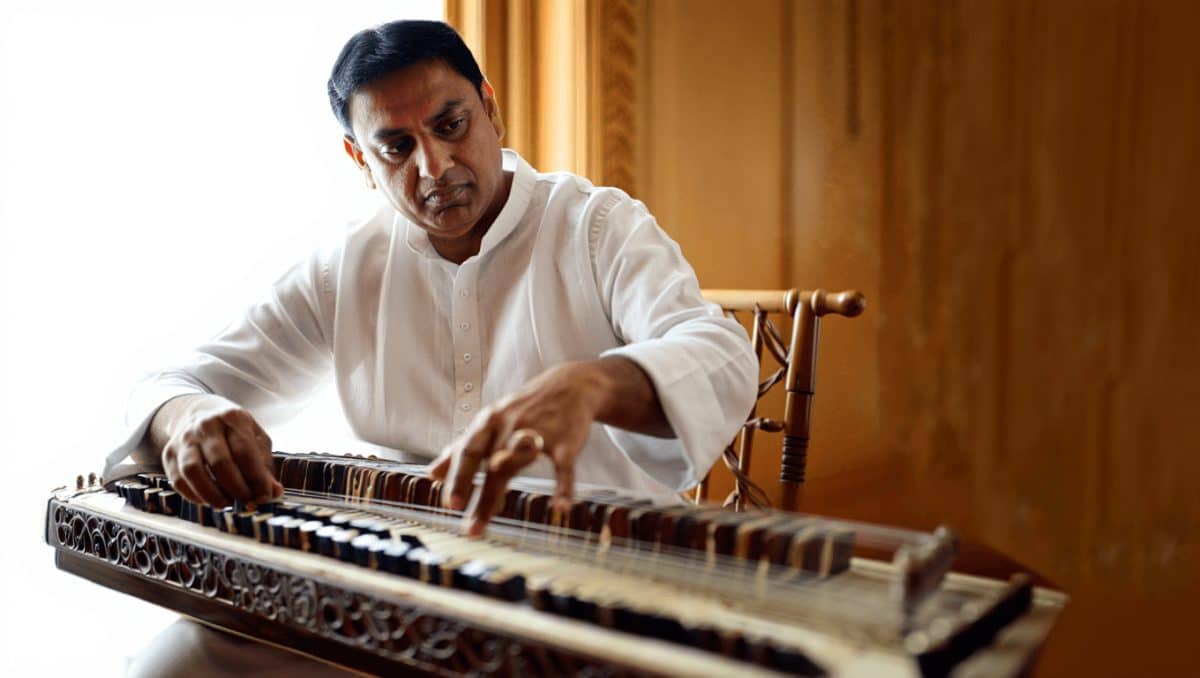
Tarun Bhattacharya: santoor maestro calls music India’s chief cultural envoy
Durga Ashtami celebrates a central theme of the Navratri cycle: the triumph of the goddess over malevolent forces and the renewal that follows. The day honors a specific aspect of the mother goddess — known for purity and compassion — and is considered one of the most auspicious moments to perform worship and charitable acts.
Across regions, the observance blends myth, ritual and community service. The legend linked to the festival recounts the goddess’ victories over several demons — including names that appear repeatedly in classical texts — and the subsequent reverence shown by gods and devotees alike.
Common practices and local variations
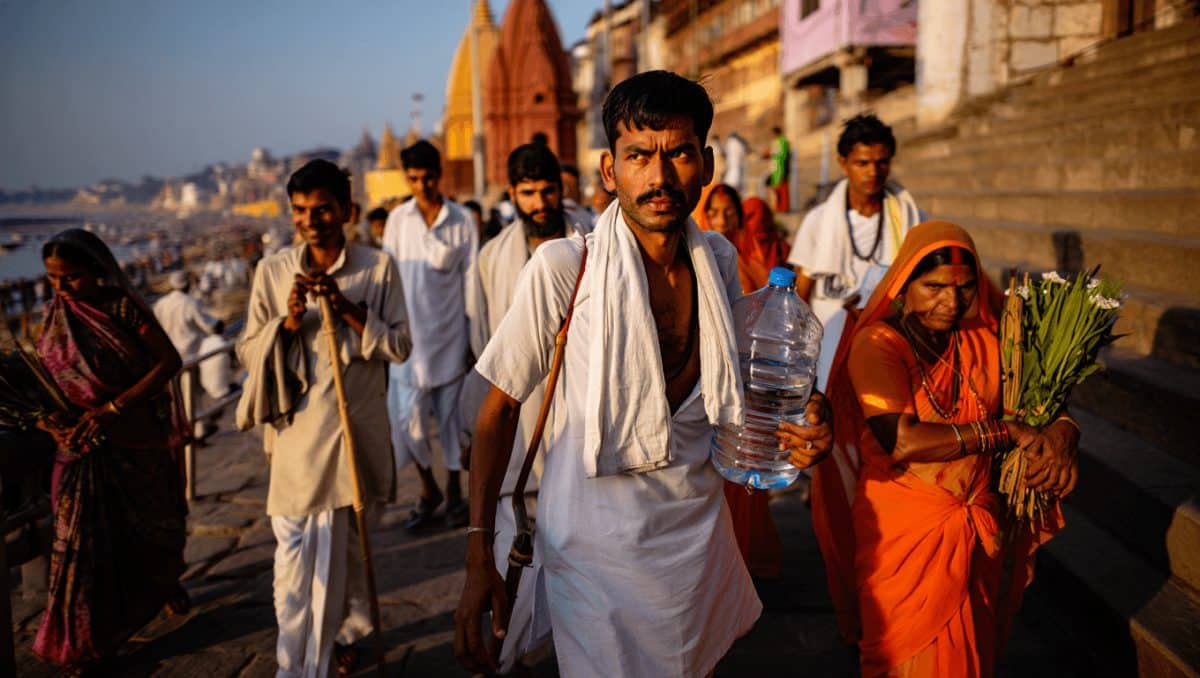
Rituals differ by region, but several elements recur widely. Many households and temples treat this day as both devotional and social: ritual worship in the morning, gatherings through the day, and acts of giving that connect worship with public welfare.
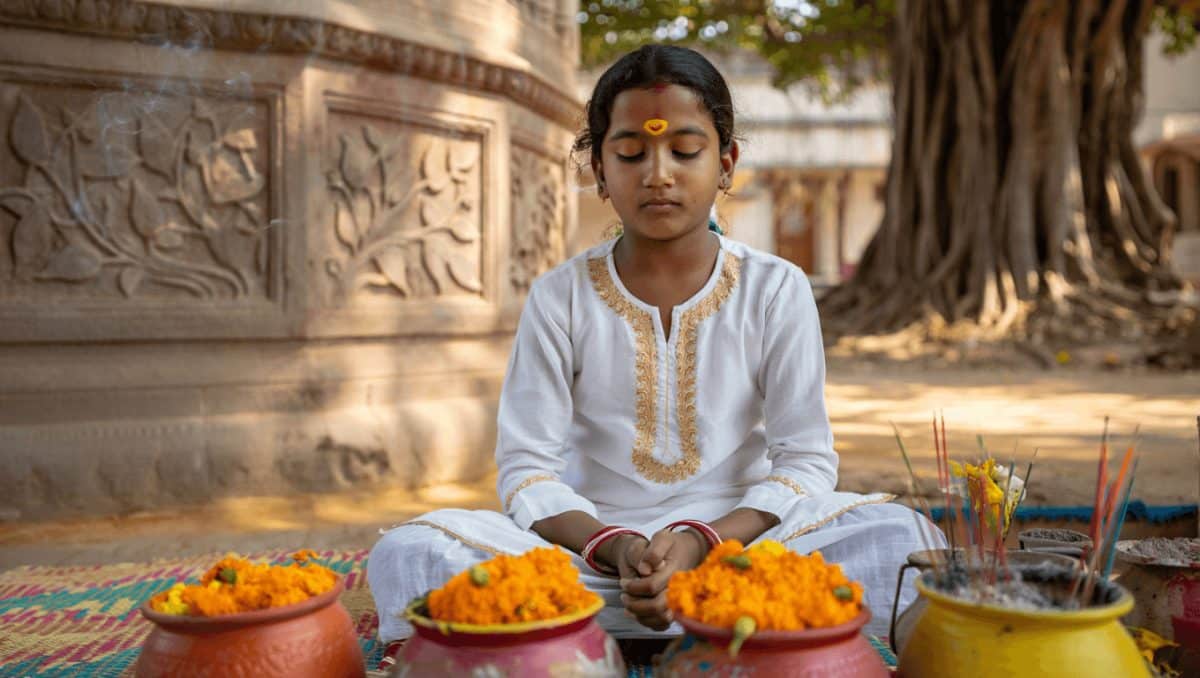
- Kanya Puja (worship of young girls) — Nine girls, symbolizing the goddess’ forms, are welcomed, their feet washed, and a sacred mark applied to the forehead before they are fed and given small gifts or dakshina.
- Food offerings — Simple, sattvic meals such as halwa with poori and spiced chickpeas are commonly prepared for the invited girls and shared in community kitchens or at homes.
- Temple puja and aarti — Special ceremonies and devotional songs are held; many devotees fast or observe partial fasts ahead of the main ritual.
- Charity — Distribution of food, clothing and essentials to the needy is an integral and widely encouraged practice on this day.
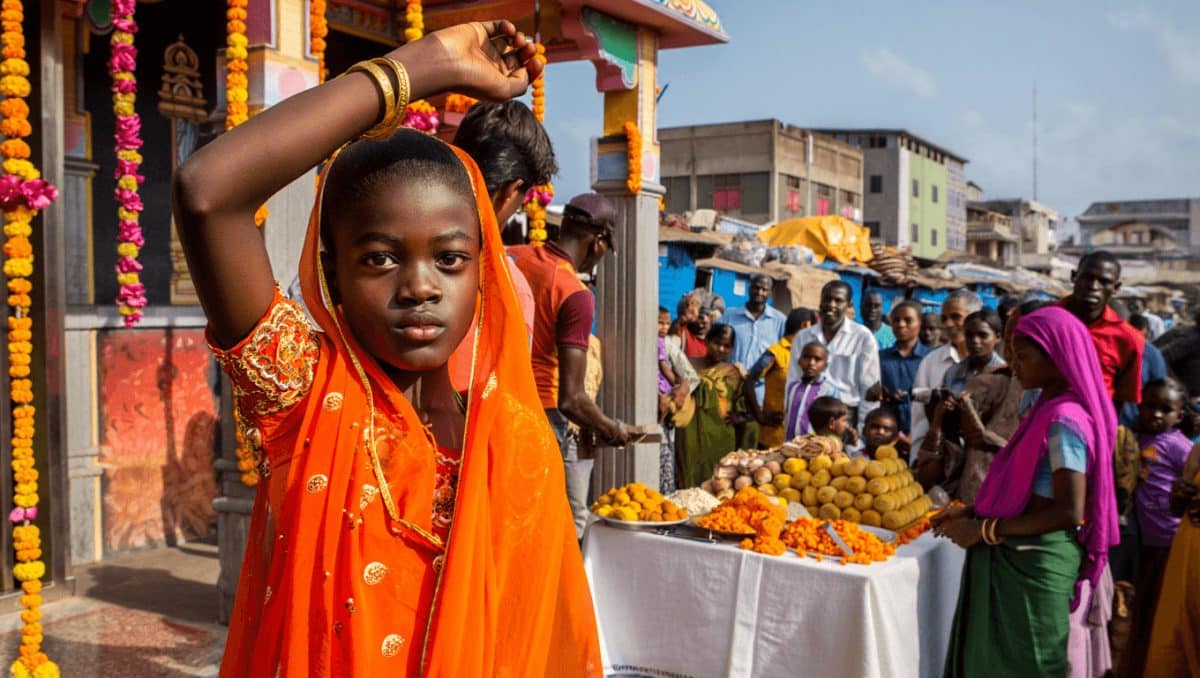
- Community events — Local temples often host cultural programs and extended worship sessions during the Ashtami tithi.
Some families add regional customs — extended recitations, special sweets, or nighttime vigils — while others keep observance private and modest. Urban celebrations can draw large crowds, making advance planning advisable for temple visits.
Practical tips for observers
Plan puja timing according to the tithi window above; offerings carried out outside the Ashtami interval are traditionally considered less auspicious. If you intend to invite children for Kanya Puja, arrive early at temples to avoid peak crowds. Those who observe a fast should stay hydrated and break the fast mindfully once rituals conclude.
For those wanting to participate without attending a crowded temple, private home worship, streaming a temple aarti, or giving to local charities are respectful alternatives that preserve the day’s spirit.
Chaitra Durga Ashtami remains a moment of ritual focus within Navratri’s cycle: a combined expression of devotion, cultural continuity and social care that emphasizes renewal and the ethical responsibilities of community life.