Show summary Hide summary
A rare autograph album connected to Rabindranath Tagore and a selection of paintings by leading Indian modernists will be offered at auction in Mumbai on July 18, 2026, drawing attention from collectors and institutions alike. The sale highlights renewed interest in archival material and artworks that shape India’s cultural history, and could influence market values for similar pieces.
The auction, organized by a prominent Mumbai house, brings together archival ephemera and fine art spanning the late 19th century to the mid-20th century. Organizers say the marquee lot is an autograph book with links to Rabindranath Tagore—an item whose provenance and associations may give it both scholarly and monetary appeal.
What’s at stake
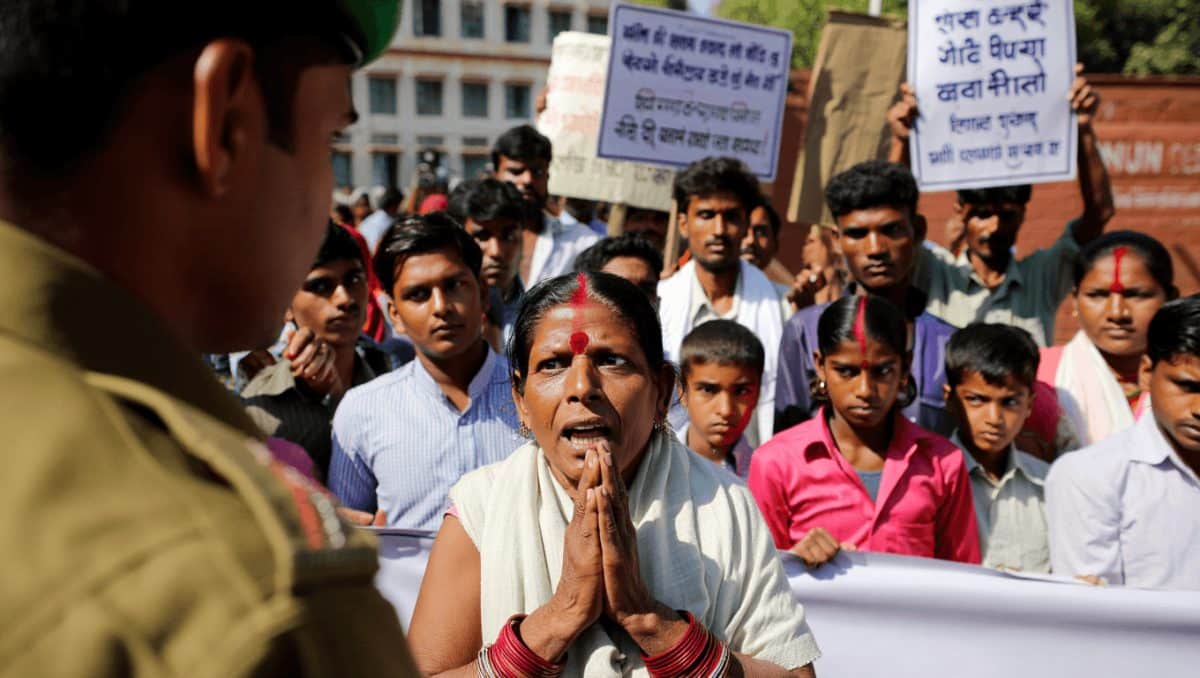
Pakistani Hindu refugees fight for rights and stability in India decades later
UCC push: Madhya Pradesh CM Mohan Yadav urges one-spouse rule across faiths
Beyond headline prices, the sale matters because it signals collector demand for documented cultural objects, not just canvases. Institutions and private buyers are increasingly competing for material that can strengthen exhibitions, publications and academic research. That competition tends to push premiums upward and shapes which works leave or remain in public view.
The auction house described the consignments as coming from estates and private collections. Several lots have provenance records that trace ownership, while others include contemporaneous inscriptions or sketches that could offer fresh insights into artistic networks of the period.
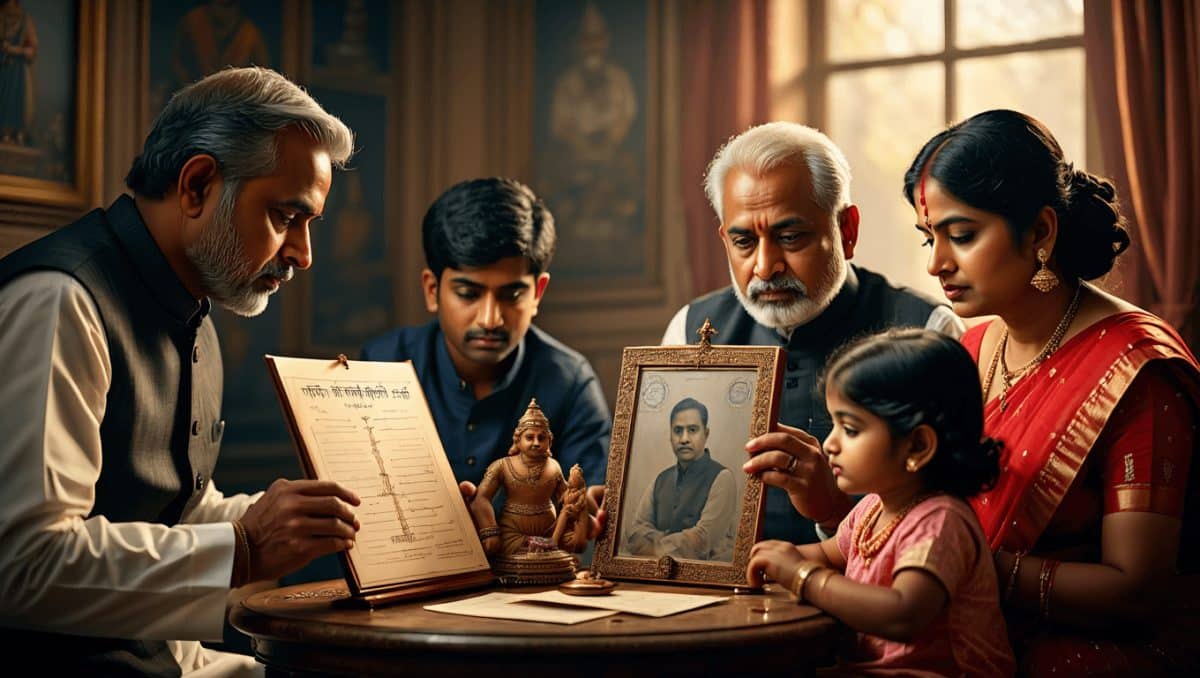
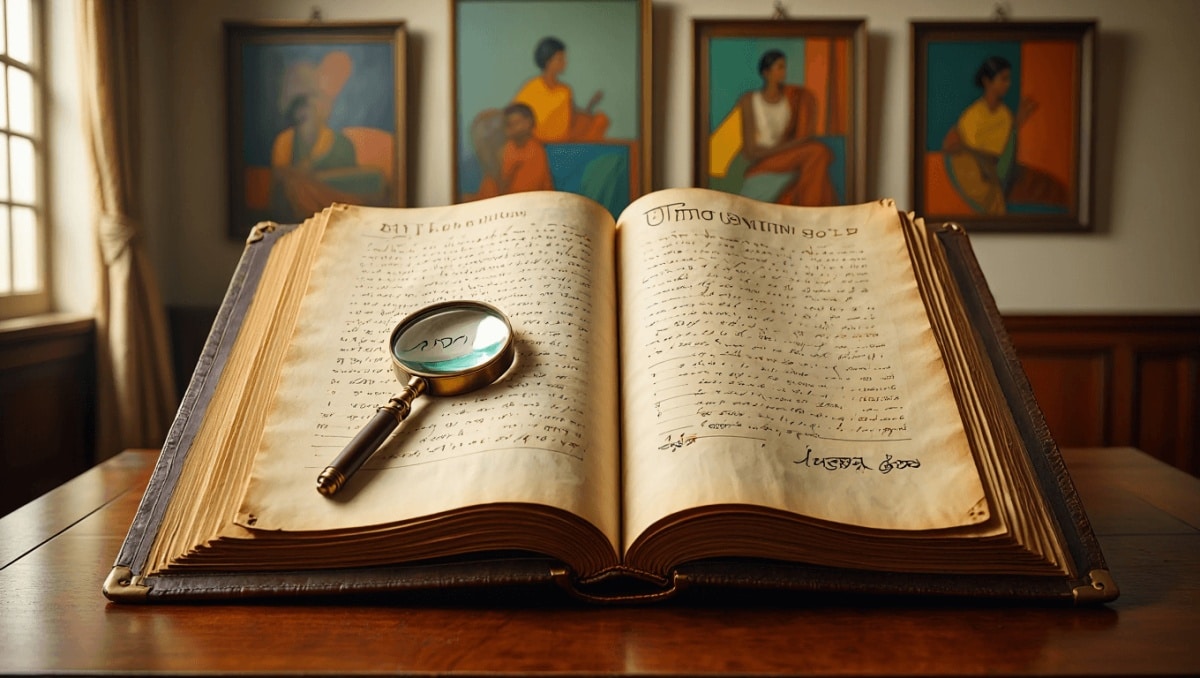
- Tagore-linked autograph book: A privately held album containing dedications, signatures and possible sketches from Tagore’s circle. The book’s relevance is both literary and visual, given Tagore’s own late-life interest in painting.
- Works by Indian masters: Paintings and prints attributed to key figures of 20th-century Indian art—names such as M.F. Husain, F.N. Souza, S.H. Raza, Jamini Roy and Amrita Sher-Gil are represented among the lots.
- Ephemera and letters: Smaller lots include letters, exhibition catalogs and early photographs that help contextualize the major works and the cultural milieu that produced them.
Market context and likely buyers
Auction specialists and market watchers note that while paintings by the most celebrated modernists have become a staple of Indian sales, archival items tied to cultural figures can attract crossover interest from literary scholars, museums and high-net-worth collectors who prize rarity.
For museums and public institutions, acquiring such pieces can be costly and complicated by budget limits and export rules; private collectors with international reach sometimes outbid institutional buyers. That dynamic shapes which items remain available to researchers and which are sequestered in private hands.
Authentication and provenance
Authenticity matters more than ever. The auction house has provided documentation for several key lots and engaged independent experts to assess signatures and inscriptions. Nevertheless, potential buyers are expected to request their own verifications before bidding.
Legal and ethical considerations can also arise with archival material. Experts say clear provenance back to the original owners or estates reduces the risk of disputes; yet contested histories occasionally surface after a sale, prompting museums to exercise caution.
How to follow the sale
The auction will be open to in-room, telephone and online bidders. Previews are scheduled in the days before July 18, with condition reports available on request. Interested parties should register in advance and review export and import requirements if they intend to take items overseas.
Observers expect spirited bidding on the top lots, given the combined appeal of literary association and modernist pedigree. Whether the results reset price expectations for similar material will become clearer once the hammer falls and the sale prices are published.
For collectors, curators and researchers, this auction is more than an opportunity to buy—it’s a moment to reassess how documentary objects and canonical artworks together tell the story of India’s cultural modernity.