Show summary Hide summary
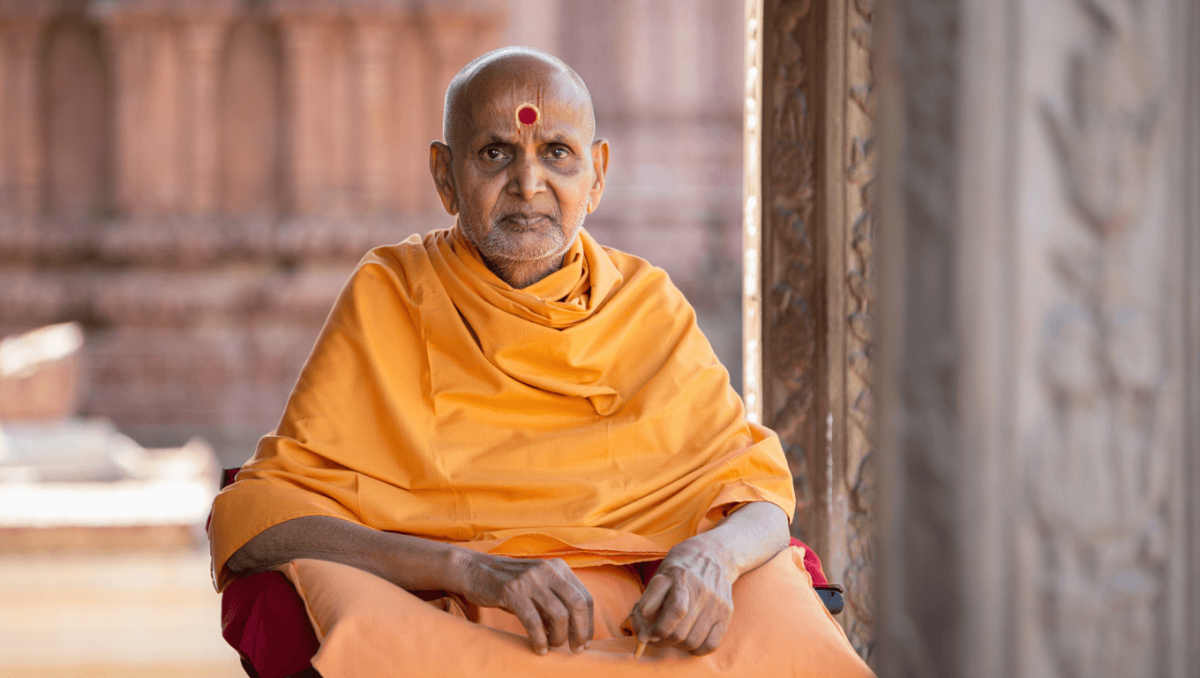
At a recent event in Vijayanagar, Suttur Mutt seer Shivarathri Deshikendra Swami warned that clinical depression and other mental-health disorders are becoming more visible in Indian communities — and that delayed recognition and reluctance to seek psychiatric help are costing lives. His remarks, delivered alongside mental-health professionals and local leaders, pushed the issue from private concern into the public arena.
The seer highlighted a pattern he said is common: early symptoms are overlooked or dismissed, and cultural stigma drives many to avoid formal treatment until problems escalate. He linked those delays to tragic outcomes, including suicide, and urged a shift toward earlier intervention and compassionate care.
School-based detection and counselling
Kashi to Kedarnath costs revealed: how much a Sawan pilgrimage will set you back
Hinduism gains ground in Africa: new communities reshape culture and commerce
Pointing to concrete steps already underway, the seer praised efforts by JSS educational institutions to identify students at risk. The programme trains selected teachers to recognise warning signs and to offer basic counselling and emotional support, creating a first line of care inside schools.
Officials said the approach aims to catch problems while they are still manageable and to reduce the pressure on families who may not recognise mental-health needs. Plans are in motion to extend the training beyond urban campuses into nearby rural communities.
The event also acknowledged the work of mental-health advocate Cadabam M Ramesh, with the seer commending Ramesh’s openness about mentors who shaped his career — a gesture framed as part of a wider cultural value of gratitude.
Voices from politics and public life
Lok Sabha MP Yaduveer Wadiyar described mental healthcare as an area that has lagged behind other public-health priorities, despite growing demand. He called for a renewed look at traditional Indian healing wisdom, suggesting it could complement modern psychiatric care when applied carefully and ethically.
Former minister SA Ramadas urged a preventive focus. “Awareness and counselling,” he said, “must come before crisis.” He urged organisations such as the Cadabams Group to scale up outreach from Mysuru, taking awareness programmes deeper into villages and township neighbourhoods.
- Early detection: Training teachers and community figures to spot signs of distress.
- School counselling: Providing in-place emotional support to reduce escalation.
- Rural outreach: Expanding programmes beyond cities to reach under-served areas.
- Combining modern treatment with culturally sensitive practices where appropriate.
- Prioritising prevention and public awareness over crisis-only responses.
Speakers at the gathering framed the issue as both urgent and solvable: with modest investments in education, outreach and destigmatisation, they argued, communities can reduce harm and connect more people to care earlier. The broad consensus was that pairing institutional programmes with local cultural understanding will be essential to reach those still reluctant to seek help.
As mental-health discussions move from clinics into schools, temples and public forums, the debate in Mysuru reflects a wider national conversation about how India responds to a growing burden of depression and anxiety — and what practical steps can prevent more avoidable tragedies.