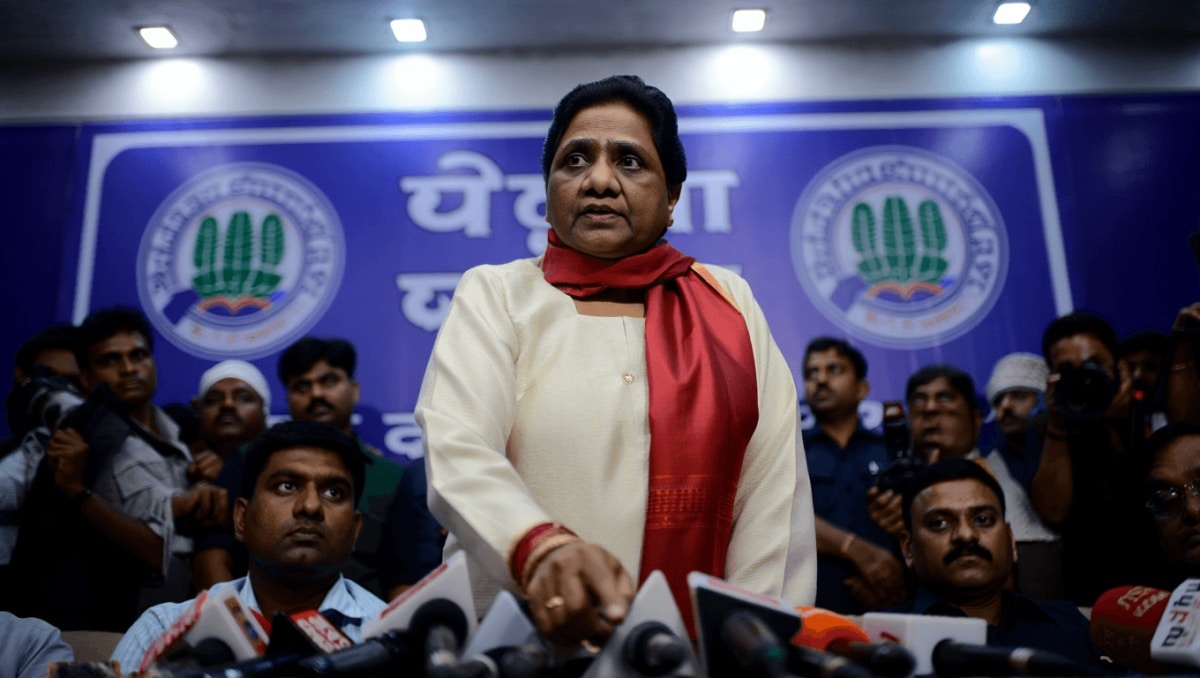
Lucknow — Bahujan Samaj Party president Mayawati on Monday urged both the central and state governments to act decisively to prevent and investigate reports of post-poll violence in West Bengal, warning that failure to do so could damage public trust and the country’s image abroad. She said courts’ orders must be implemented without bias and that protecting citizens’ basic rights should be the immediate priority.
Speaking from Lucknow, Mayawati stressed that authorities must ensure the rule of law is respected across communities. She argued that any perception of religious or caste-based partiality by the state risks deepening social fissures and undermining democratic norms.
Mayawati framed her remarks in constitutional terms, invoking the role of B.R. Ambedkar in shaping a framework meant to secure equality and freedom for all faiths. For her, safeguarding those guarantees is not merely symbolic: it is essential to prevent external criticism and domestic unrest.
Kashi to Kedarnath costs revealed: how much a Sawan pilgrimage will set you back
Hinduism gains ground in Africa: new communities reshape culture and commerce
The BSP leader also called on governments to keep attention focused on pressing socioeconomic problems rather than diverting debate. She warned that political distractions would not resolve structural hardships and could exacerbate public discontent.
- Enforce court directions: Turn high-court orders into immediate, transparent action on the ground.
- Protect all citizens: Ensure safety and property rights irrespective of religion or caste.
- Avoid partisan policing: Investigations and law enforcement should be free from political influence.
- Prioritize core issues: Address economic and social stresses instead of shifting public focus.
Legal observers say the high court’s directives provide a clear legal basis for intervention; implementation will be the true test. Rapid, impartial investigations and visible protection for affected communities are likely to calm tensions more effectively than rhetoric.
Internationally, how India handles communal or post-electoral unrest can shape diplomatic narratives. Mayawati highlighted that adherence to the Constitution and its secular commitments helps rebut charges of discrimination and preserves the country’s standing.
Her comments arrive amid heightened scrutiny of law-and-order responses in several states. Analysts note that political leaders now face a dual challenge: quelling immediate violence and rebuilding confidence in institutions that must serve everyone equally.
Whatever the next steps by the central and state authorities, the core demand remains straightforward: courts’ instructions must be followed, investigations must be impartial, and policy attention must return to the country’s unresolved social and economic problems.