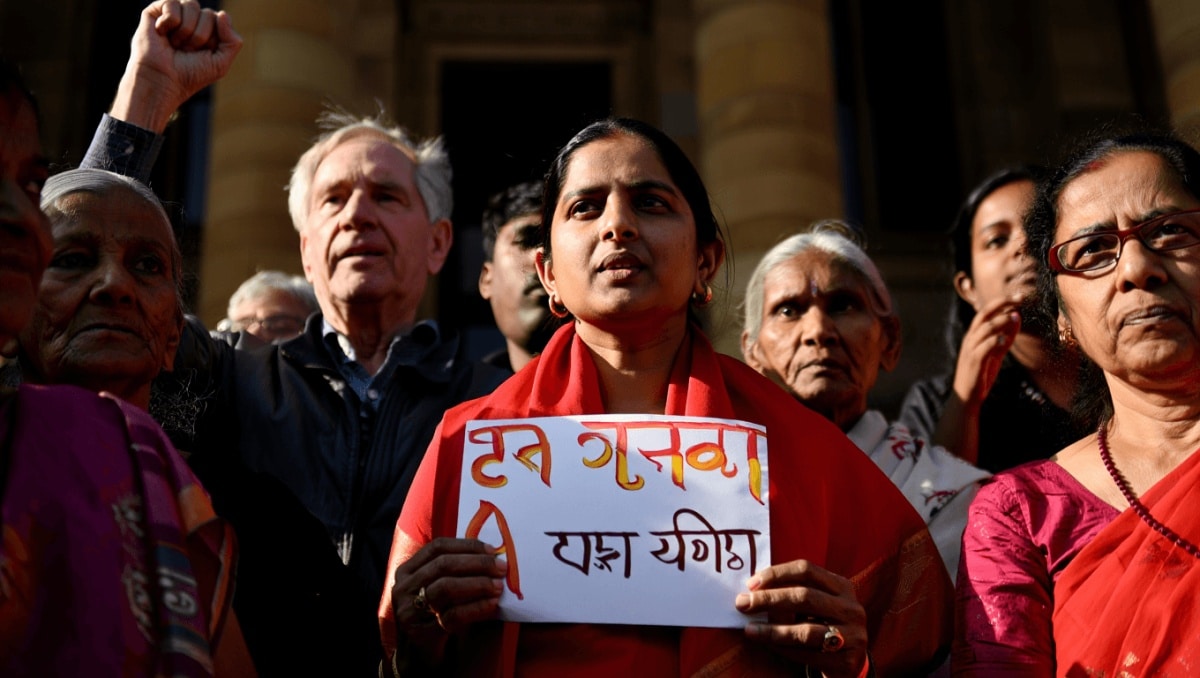
A plan to create a new cultural precinct in Melbourne intended to recognize the city’s fastest-growing migrant community has provoked an unexpectedly heated reaction, with abusive and racist commentary surfacing across social platforms. The debate is no longer only about urban planning; it has quickly become a test of how local politics, public space and online speech intersect in a diverse city.
The proposal, billed by supporters as a way to celebrate Indian culture and boost local businesses, would concentrate festivals, shops and cultural programming in a defined precinct. Backers say the scheme could raise the profile of Indian arts, attract visitors and provide a visible focal point for a rapidly expanding community.
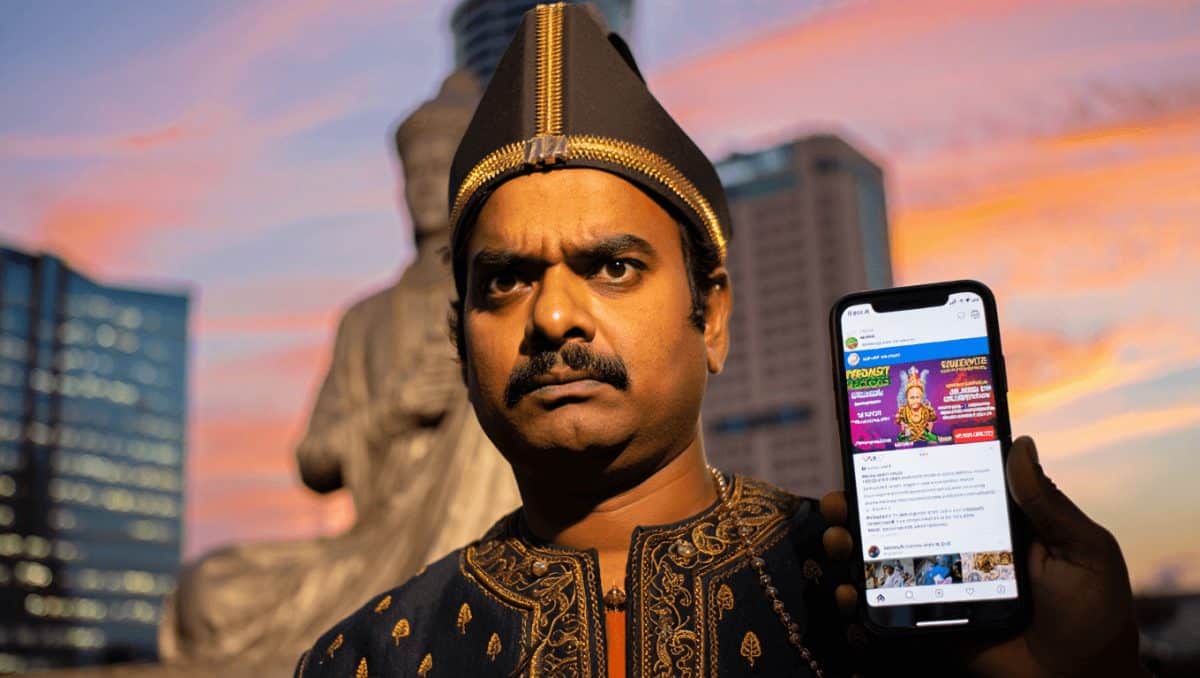
But the announcement has also triggered a wave of hostile responses online. Reports and screenshots circulating on social networks show messages that many community leaders and civic figures have described as xenophobic and racist. The tone and volume of those exchanges have shifted the story from civic planning into a broader conversation about intolerance and public discourse.
Kashi to Kedarnath costs revealed: how much a Sawan pilgrimage will set you back
Hinduism gains ground in Africa: new communities reshape culture and commerce
Some practical concerns have been raised by residents and traders — from traffic and noise to the impact on rents — yet these logistical debates have been overshadowed by what advocates call coordinated harassment. That dynamic has prompted calls for clearer action on hate speech enforcement and for stronger support for affected community members.
Key issues at stake:
– Cultural recognition: a precinct could create an enduring public presence for Indian arts, festivals and cuisine.
– Economic impact: concentrated cultural activity may help small businesses and boost local tourism.
– Urban planning objections: neighbours cite congestion, zoning and commercial displacement concerns.
– Social cohesion: the backlash highlights fractures in public attitudes toward migration and multicultural policy.
– Online abuse: the incident exposes gaps in how social platforms, authorities and community organisations handle hate speech.
Local officials now face several choices: press ahead with community consultations and planning approvals, revise the proposal to address neighborhood concerns, or pause to focus on reducing tensions. For community groups, the immediate priority is damage control — protecting vendors and participants while keeping cultural programming visible and safe.
The episode also raises broader questions for other Australian cities. How should municipal governments balance targeted cultural recognition with the need to manage local dissent? What responsibilities do social platforms hold when debate turns abusive? And how will law enforcement and civic leaders respond if online attacks spill into public harassment?
Next steps on the precinct are likely to include further public consultations and formal council processes. For observers, the development will be a useful indicator of local attitudes toward multicultural initiatives and of how effectively institutions can respond when cultural recognition becomes a flashpoint for division.