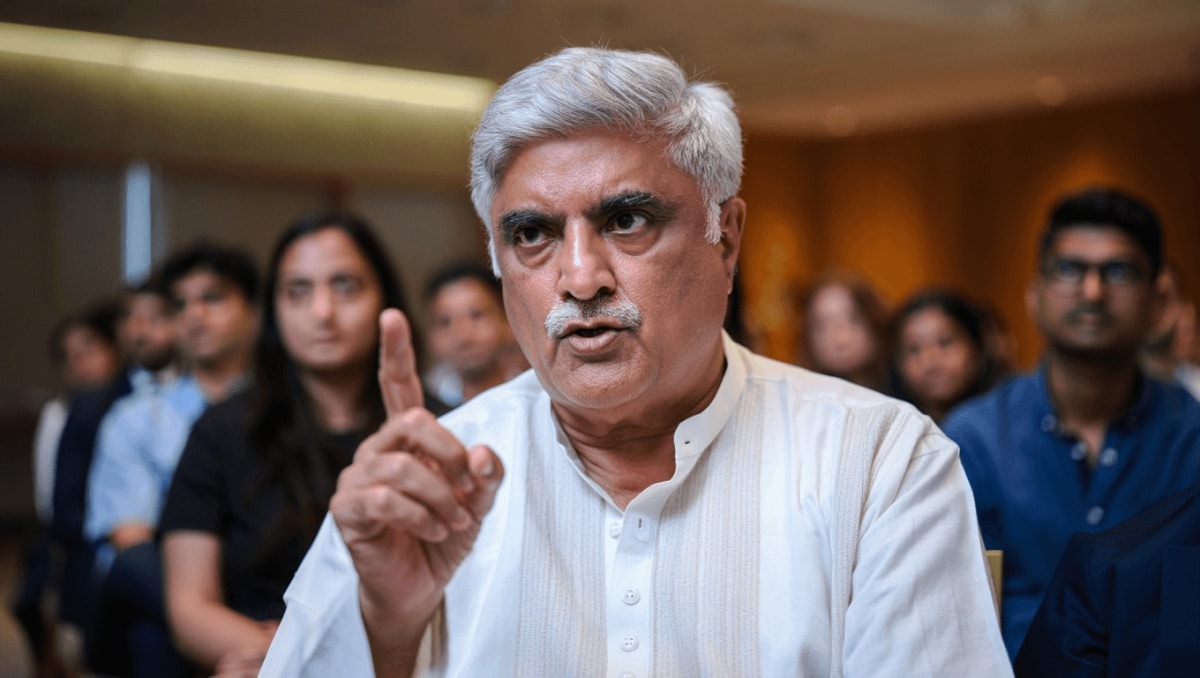
Speaking at a May 20 panel on one of India’s oldest treatises, lyricist and public intellectual Javed Akhtar argued that a culture of questioning runs through the country’s intellectual DNA. He pointed to the dialogic form of the ancient Natyasastra and compared it with the conversational core of the Bhagavad Gita, saying both works teach inquiry as a central practice rather than a mere academic exercise.
Akhtar offered a reminder that matters beyond scholarship: how a society frames debate shapes everything from the arts to civic life. The Natyasastra, an early Sanskrit work on drama and performance, organizes much of its teaching through exchanges between characters and teachers, a format Akhtar said encourages constant probing rather than passive instruction.
He drew a clear link between that tradition and the method of the Bhagavad Gita, where moral and philosophical dilemmas are unpacked through a sustained dialogue. For Akhtar, the parallel is not only literary. It is cultural: the habit of asking — of refusing easy answers — has been a recurring thread in Indian thought.
Kashi to Kedarnath costs revealed: how much a Sawan pilgrimage will set you back
Hinduism gains ground in Africa: new communities reshape culture and commerce
That perspective matters now because public debate and education in India are under pressure from rapid social and technological change. Akhtar warned that losing the impulse to question would weaken democratic conversation and the resilience of the arts.
Why this matters today
When an acclaimed public figure frames questioning as an inherited civic value, it forces institutions to pay attention. Teachers, cultural organizations and media outlets all play a role in keeping open dialogue alive — or letting it atrophy.
- Arts and performance: A dialogic approach encourages experimentation and critique in theatre, film and literature.
- Education: Classrooms that prioritize inquiry over rote learning produce thinkers who can navigate complexity.
- Public life: Robust debate helps counter misinformation and strengthens democratic decision-making.
Akhtar’s remarks were part observation, part appeal. He did not prescribe specific policies but emphasized a broader cultural responsibility: preserving spaces where questions are welcome and contestable ideas can be tested.
Whether in ancient treatises or contemporary conversations, the exercise of asking—and of listening to answers—remains a practical skill. For readers, the takeaway is immediate: sustaining a healthy public sphere depends as much on our willingness to question as on the answers we accept.