Show summary Hide summary
- 1. Hill towns with a colonial and local heritage
- 2. Fortresses and routes that shaped regional history
- 3. Monsoon drama — not just a backdrop
- 4. Adventure and low-impact outdoor activities
- 5. Spiritual sites and pilgrimage traditions
- 6. Plantation landscapes and flavour economies
- 7. Seasonal blooms and botanical surprises
- Why the broader picture matters
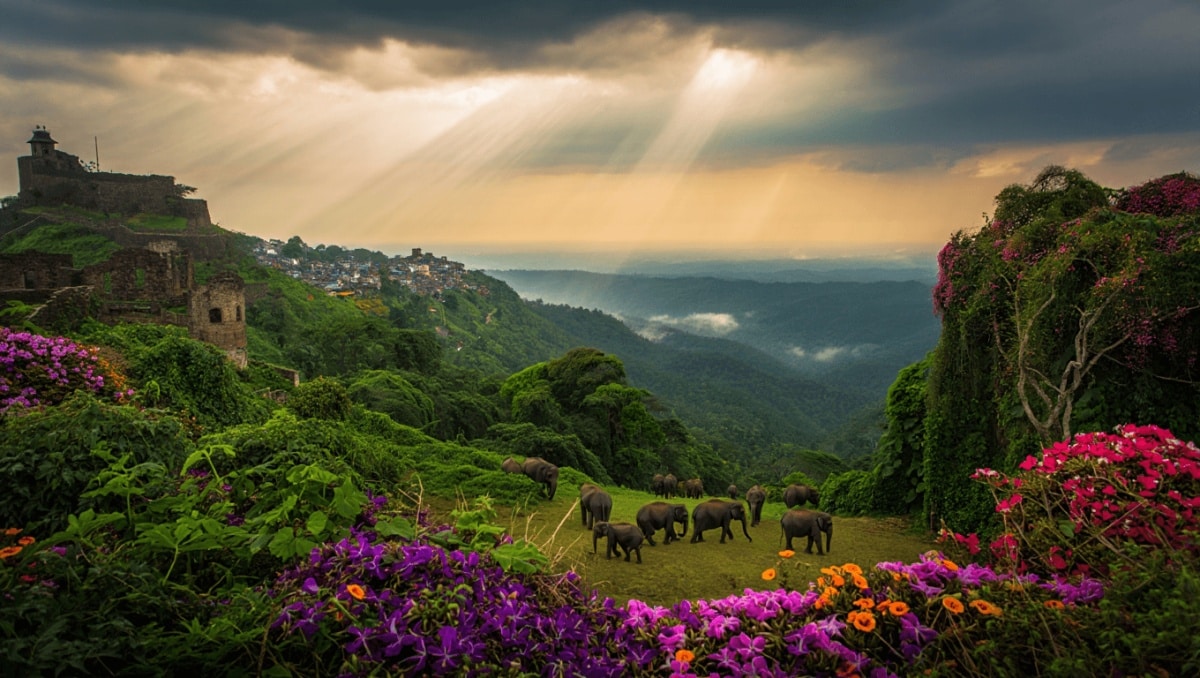
The Western Ghats are often framed as a biodiversity hotspot, but the mountain range quietly supports a far broader set of experiences and livelihoods — from colonial-era hill towns and hilltop forts to spice gardens and dramatic seasonal spectacles. For travelers and communities alike, these layers matter now more than ever as demand for meaningful, low-impact travel grows and conservation intersects with local economies.
1. Hill towns with a colonial and local heritage
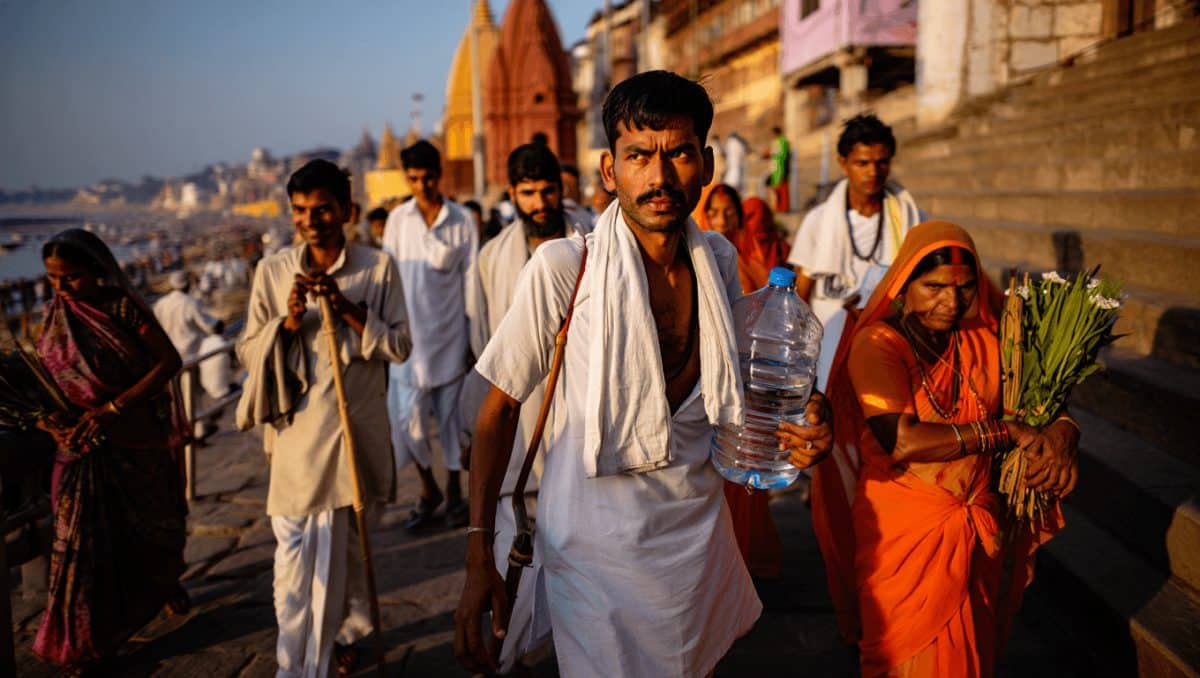
Kashi to Kedarnath costs revealed: how much a Sawan pilgrimage will set you back
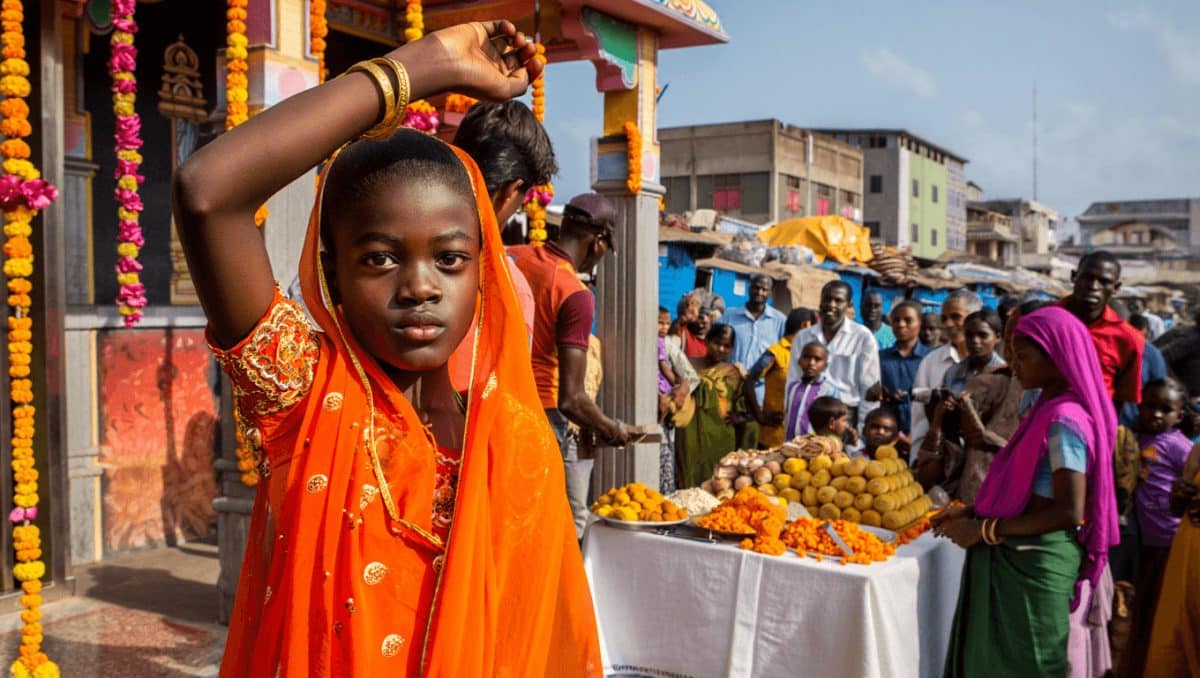
Hinduism gains ground in Africa: new communities reshape culture and commerce
Beyond wildlife corridors, the Ghats host a string of hill stations where architecture and social life tell overlapping stories of colonial planning, indigenous culture and contemporary tourism. Places such as Ooty, Munnar and Mahabaleshwar remain magnet towns, but smaller settlements are rediscovering their historical centers and local crafts.
Visitors find cottage industries, weekly markets and tea-stained lanes that are as revealing as any nature trail about how the region evolved over two centuries.
2. Fortresses and routes that shaped regional history
Scattered along ridgelines are forts and defensive works that were once strategic watchpoints. Some are reachable by day hikes; others require a guide to navigate steep, eroded trails. These sites offer a tangible connection to the political and trade histories that shaped South India.
3. Monsoon drama — not just a backdrop
The arrival of rains transforms the Ghats in ways that matter to visitors and residents. Rivers swell, waterfalls reappear, and hill slopes turn intensely green; this seasonal shift also affects access, with many routes closing or becoming challenging.
For anyone planning a trip, timing is crucial: the monsoon is both the region’s life source and a logistical factor for travel and conservation work.
4. Adventure and low-impact outdoor activities
From multi-day treks that cross ridgelines to canyoning, rock climbing and mountain biking, the Western Ghats provide a wide menu for outdoor pursuits. Activity operators are increasingly focusing on small-group, low-impact formats to protect fragile habitats while offering meaningful experiences.
5. Spiritual sites and pilgrimage traditions
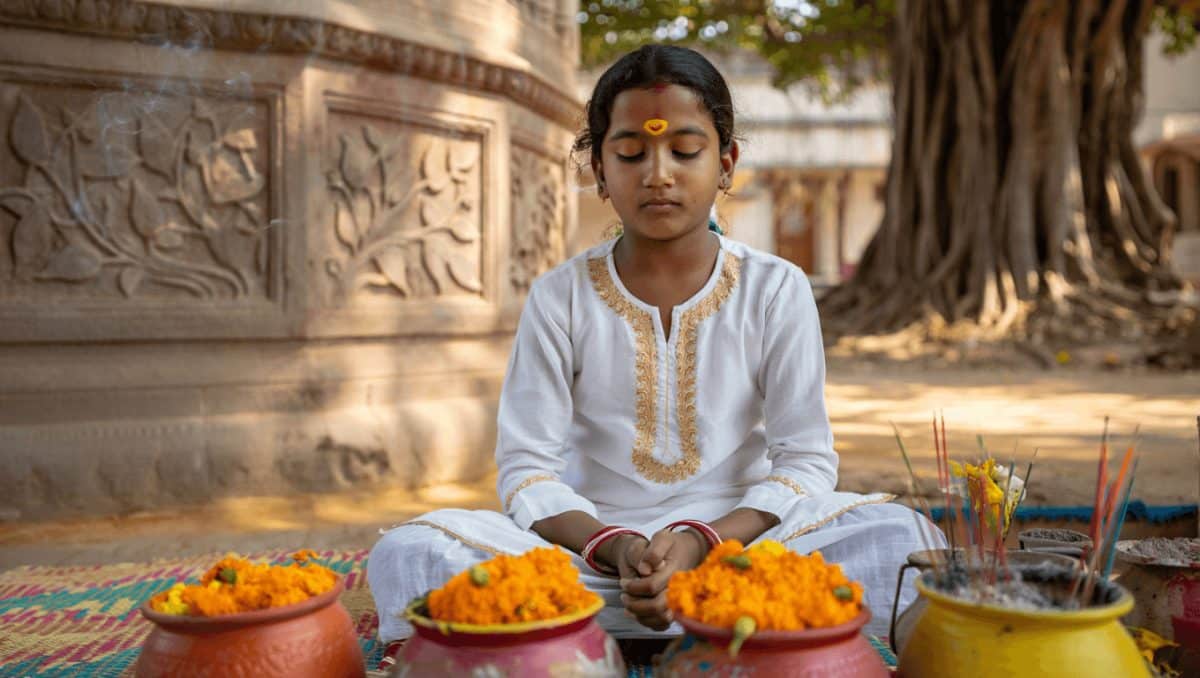
Hidden valleys and ridge-top temples attract seasonal pilgrims and quieter spiritual visitors year-round. These places are woven into local calendars, with festivals that bring temporary surges in footfall and create distinct social rhythms in otherwise remote communities.
6. Plantation landscapes and flavour economies
Tea, coffee and spice plantations are both cultural landscapes and working economies. Touring estates or staying on a plantation offers insight into agricultural practices, local labor dynamics and the supply chains behind familiar pantry staples.
Many estates now host small interpretive centers that explain processing methods and the environmental trade-offs involved in large-scale cultivation.
7. Seasonal blooms and botanical surprises
Certain portions of the Ghats bloom spectacularly on a cyclical or seasonal basis, producing flowers that draw botanists and photographers alike. These events are rare and often localized, offering a brief window to see endemic species in full display.
Those who plan trips around these blooms should seek local guidance to avoid causing damage to sensitive sites.
Why the broader picture matters
Seeing the Western Ghats as more than a wildlife destination changes how visitors plan trips and how policymakers balance conservation with community needs. Tourism can support livelihoods, but it can also increase pressure on water, transport and biodiversity if poorly managed.
- When to go: Consider shoulder seasons to avoid heavy monsoon access issues and peak crowds.
- What to expect: A mix of cultural heritage, agricultural landscapes, and natural spectacle — not uniform wilderness.
- Local impact: Choose operators and stays that demonstrate respect for ecosystems and local communities.
- Practical tip: Check road and trail conditions in advance; services can be limited in remote stretches.
As travel preferences shift toward immersive, regenerative experiences, the Western Ghats’ value goes beyond species lists. Understanding the region’s human histories, seasonal rhythms and economic ties offers a fuller, more sustainable way to visit — and to think about conservation policy and local development going forward.