Show summary Hide summary
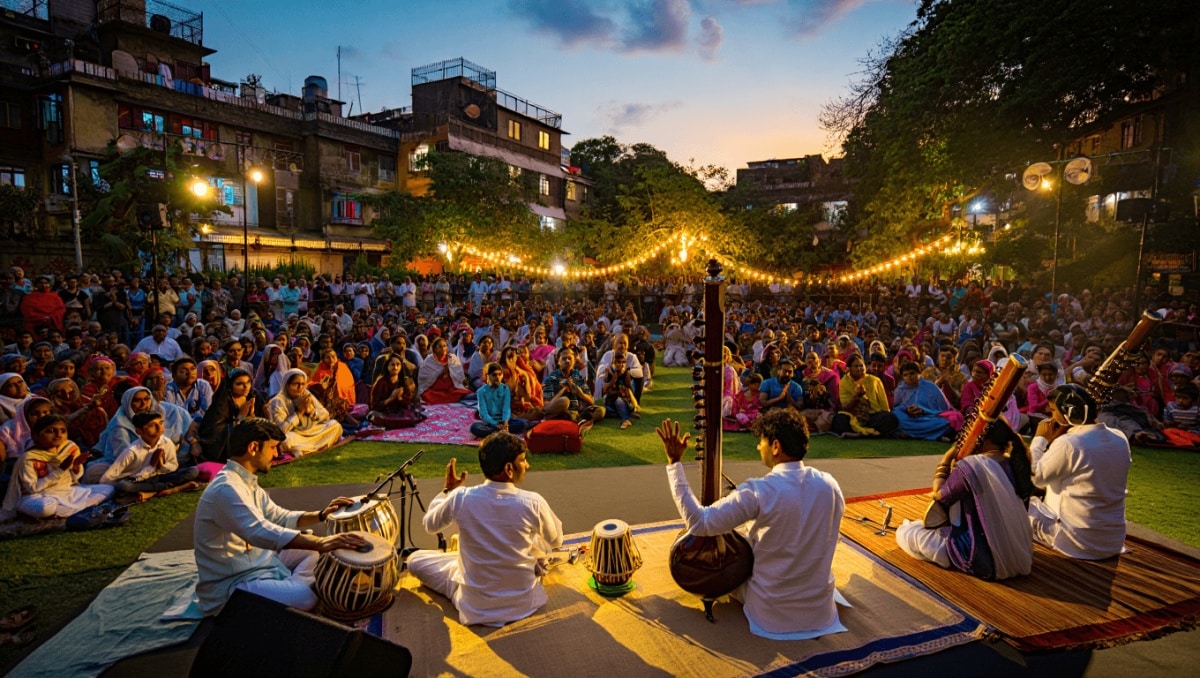
This spring, Delhi’s long-running open-air concert series marks its 22nd year, bringing classical music back into neighbourhood parks and public squares. The initiative, organized by SPIC MACAY, aims to broaden access to Indian classical traditions while drawing attention to sustainable use of urban green spaces.
Kashi to Kedarnath costs revealed: how much a Sawan pilgrimage will set you back
Hinduism gains ground in Africa: new communities reshape culture and commerce
A season staged outdoors
Music in the Park stages performances by established and emerging classical artists in easy-to-reach city locations. By moving concerts out of formal halls and into open-air settings, the programme lowers barriers for families, students and passersby who might not otherwise attend a recital.
Organizers say the events combine live performances with short educational segments, offering listeners context about the music and instruments. These informal formats encourage questions and informal learning, particularly among younger attendees.
What attendees can expect
- Free or low-cost events aimed at broad public participation.
- Short, accessible recitals designed for outdoor listening rather than long concert-hall formats.
- Opportunities for community engagement—school groups, local volunteers and amateur musicians often take part.
- A schedule concentrated in spring and early summer to take advantage of milder evenings and park activity.
Beyond the music itself, the series places emphasis on environmental stewardship: performances are often held with minimal infrastructure to reduce footprint, and audiences are encouraged to respect park ecosystems.
Why this matters now
After years of interrupted programming and a renewed public appetite for outdoor gatherings, events like Music in the Park play a practical role in reviving city life. They create informal cultural hubs where people of different backgrounds meet, and they help reimagine public parks as places for shared civic experiences rather than only transit or solitary recreation.
For the classical music community, the series is a pipeline—introducing new listeners to traditions that can otherwise feel remote—and for urban planners and environmental advocates, it demonstrates how cultural programming can coexist with conservation goals.
Looking ahead
The 22nd season underscores how sustained, low-cost public programming can survive and adapt. As Delhi’s outdoor cultural calendar expands, the challenge will be balancing audience growth with preserving the very green spaces that make the concerts possible.
For updated listings and precise dates, organizers recommend checking SPIC MACAY’s official channels and local park notices before attending.