Show summary Hide summary
On March 18, 2026, the Italian Ambassador’s residence in New Delhi became a hub for cultural exchange and conversation as spouses of heads of mission and Indian diplomats gathered to mark International Women’s Day. The gathering combined artistic performances with practical demonstrations, underlining how informal diplomacy and shared traditions can shape relationships between countries and those who represent them.
The event was organised by Ester Bartoli, wife of the Italian envoy, and drew a diverse group of participants from diplomatic households. Rather than focusing on protocol, the programme emphasised everyday cultural practices and the personal networks that sustain diplomatic life.
Art, craft and conversation
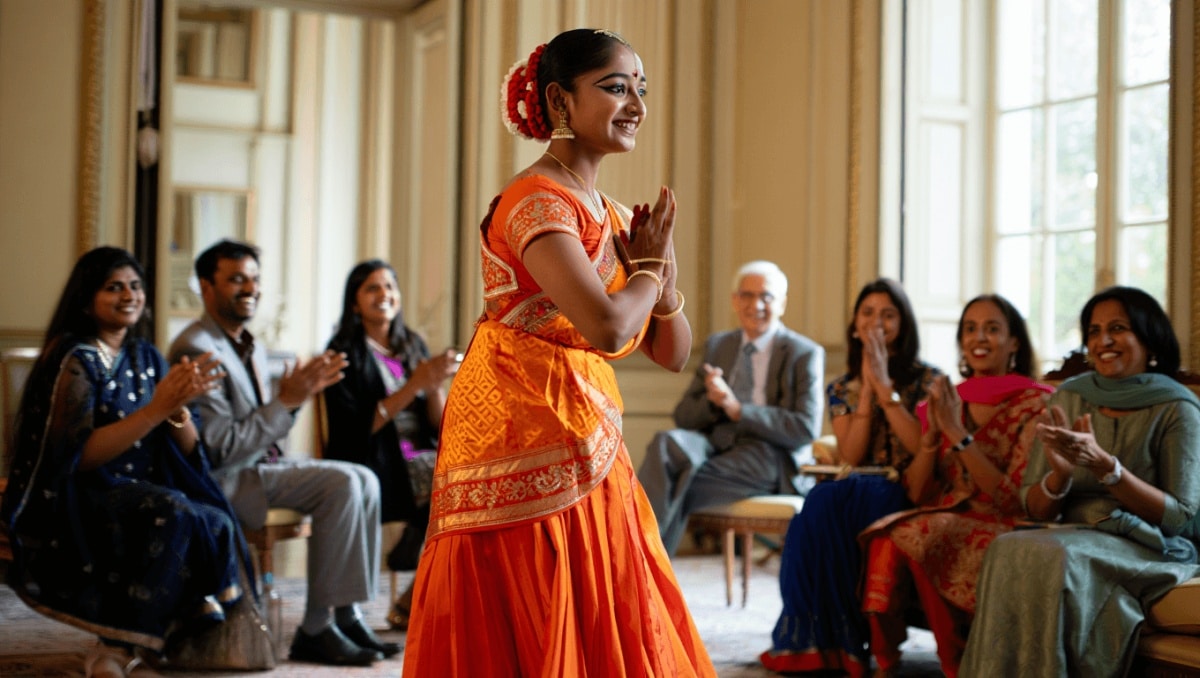
A highlight of the afternoon was a live Kathak recital that showcased classical Indian dance in an intimate setting. The performance underscored how cultural art forms serve as a bridge between communities, offering visiting dignitaries and their families a direct encounter with India’s performing traditions.
Kashi to Kedarnath costs revealed: how much a Sawan pilgrimage will set you back
Hinduism gains ground in Africa: new communities reshape culture and commerce
Alongside the music and dance, guests took part in a hands-on sari-draping demonstration. The session proved popular: for many attendees it was both a skill-building moment and a conversational icebreaker that sparked stories about adapting to life abroad, family rituals and the practicalities of representing a nation overseas.
Why this matters now
Events like this matter because they operate at the intersection of culture and diplomacy. Small, social gatherings help to build trust, sustain informal channels of communication and highlight the role of women—often behind the scenes—in creating and maintaining those networks.
- Cultural exchange: Live performances and traditional practices make diplomacy more personal and relatable.
- Practical skills: Workshops such as sari-draping offer tangible takeaways and promote cross-cultural literacy.
- Networking: These meetings strengthen informal support systems for diplomats and their families.
- Visibility: Marking International Women’s Day in this format highlights women’s contributions to public life beyond formal titles.
Conversation at the reception ranged from the challenges of balancing family life with diplomatic duties to the subtle ways cultural understanding eases official interactions. Several attendees noted that hospitality and shared meals often open doors that formal negotiations cannot.
Soft diplomacy in practice
Though modest in scale, such gatherings are a practical example of soft diplomacy. They create space for informal dialogue, allow cultural ambassadors—spouses and community hosts—to display national traditions, and help visiting officials and their partners feel connected to local life.
Diplomatic households often rely on these routines to build goodwill that complements formal policy work. In the context of International Women’s Day, the event also provided a platform to discuss the specific pressures and expectations women face in diplomatic circles, from public visibility to maintaining personal careers while abroad.
By bringing together artistic expression, practical skills and conversation, the Italian Ambassador’s residence offered a snapshot of how culture and camaraderie quietly sustain international relationships—and why those everyday bonds remain relevant to diplomacy today.