Show summary Hide summary
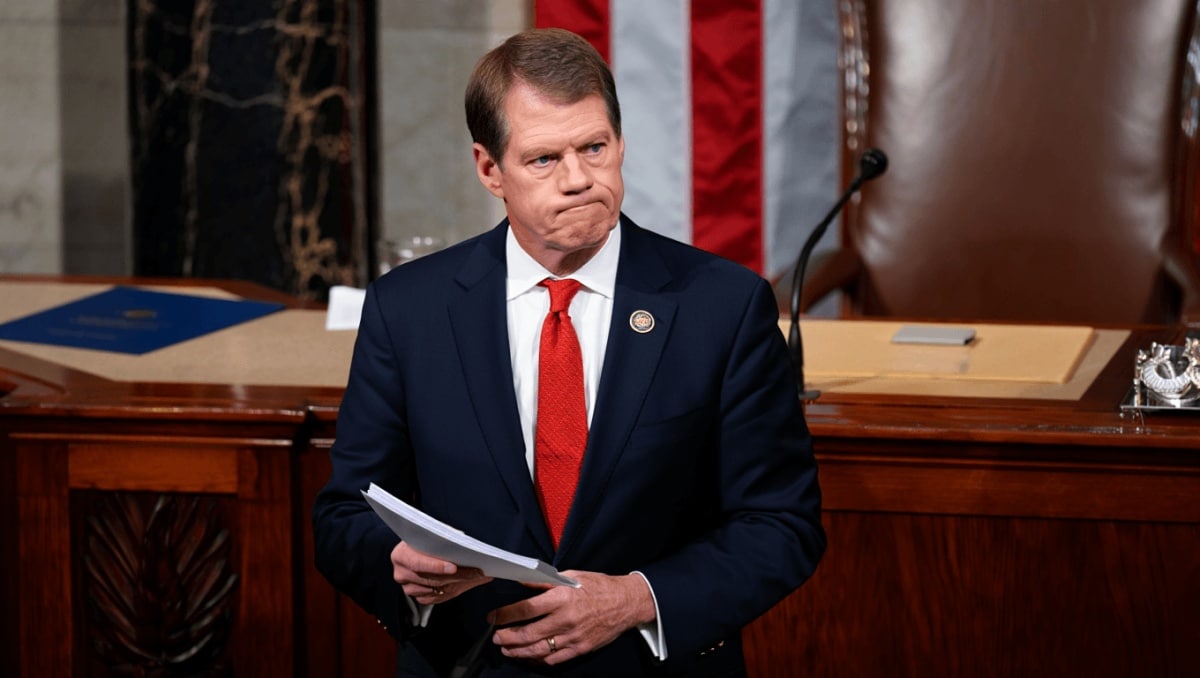
Representative Greg Landsman this week introduced a House resolution asking Congress to formally recognise the atrocities carried out in East Pakistan in 1971 — particularly against Bengali Hindus — as war crimes and genocide. The move, now sent to the House Foreign Affairs Committee, revives a painful chapter of South Asian history and could complicate diplomatic conversations between Washington and Islamabad.
What Landsman’s resolution says
The resolution frames the 1971 crackdown, launched under the military operation later known as Operation Searchlight, as systematic and targeted violence. It accuses Pakistan’s armed forces and allied Islamist militias of widespread abuses that the text classifies as crimes against humanity, war crimes, and genocide.
Shah Rukh Khan used the name Abinav to ease in-law worries: Gauri adopted Ayesha during nikaah
Javed Akhtar hails Hindu festivals as cultural glue: throwback of atheist celebrating resurfaces
- The document alleges mass killings of civilians, including political leaders, intellectuals and students.
- It charges that women were forcibly taken and used as sexual slaves during the campaign.
- The resolution states that religious minorities — especially Hindus — were singled out for elimination through murder, rape, forced conversion and expulsion.
- At the same time, it cautions against collective blame for entire communities for the actions of specific groups or individuals.
Historical evidence cited
To support the claims, the resolution cites contemporary U.S. consular dispatches from Dacca (now Dhaka). In late March 1971, then–Consul General Archer Blood described the violence in terms that he and his colleagues called selective genocide, arguing that non-Bengali elements, with military backing, were attacking Bengali neighbourhoods.
Another internal communication from early April — widely referenced as the Blood Telegram — criticised U.S. government inaction, saying consular staff had formally protested Washington’s refusal to even condemn the killings. The message reflected a split between official policy and the observations of on-the-ground diplomats.
| Date | Event |
|---|---|
| March 25, 1971 | Crackdown escalates; Sheikh Mujibur Rahman detained by Pakistani authorities following election victory. |
| March 28, 1971 | U.S. Consul General Archer Blood wires reports describing targeted killings and communal attacks. |
| April 6, 1971 | Consular protest—later known as the Blood Telegram—criticises U.S. silence on the violence in East Pakistan. |
| December 1971 | Conflict ends after India’s intervention; Pakistani forces surrender and Bangladesh is established. |
Why this matters now
The resolution arrives decades after the events it addresses, but recognition carries contemporary weight. Formal U.S. congressional acknowledgment can shape public memory, affect relations with governments implicated in historical violence, and influence how diasporas and victims’ families pursue accountability or reparative measures.
For lawmakers, the choice to condemn past atrocities is both symbolic and political: it confirms an official stance on historical human-rights abuse while potentially prompting hearings, briefings or diplomatic responses. For communities descended from victims, such measures can be a form of recognition long sought by survivors and their descendants.
At the same time, passage is not automatic. The resolution has been referred to the House Foreign Affairs Committee, where it may be debated, amended or stalled. Even if approved by the House, congressional recognition would not itself create criminal liability but would add pressure for further investigation or international discussion.
Possible outcomes and reactions
- Committee hearings could bring fresh testimony from historians, survivors and former diplomats.
- Passage in the House might prompt statements from the State Department, Pakistan’s government, and representatives of the Bangladeshi and South Asian diaspora.
- Legal consequences are unlikely from a congressional resolution alone, but it could bolster calls for formal investigations or international inquiries.
Whatever the legislative outcome, the resolution has reopened debate in Washington about how the United States remembers and responds to mass atrocities abroad — and whether past diplomatic choices should be reevaluated in light of contemporary human-rights standards.