Vedic literature centers on two interlinked aims: the flourishing of the world and the spiritual elevation of each person toward union with the divine. That dual focus—paired with an openness to multiple paths—has contemporary relevance for debates about religious tolerance and public life.
The Vedic tradition frames spiritual practice as oriented toward the common good and individual transformation. It describes an ethical and metaphysical horizon where social welfare and the inner development of the person are not separate goals but mutually reinforcing.
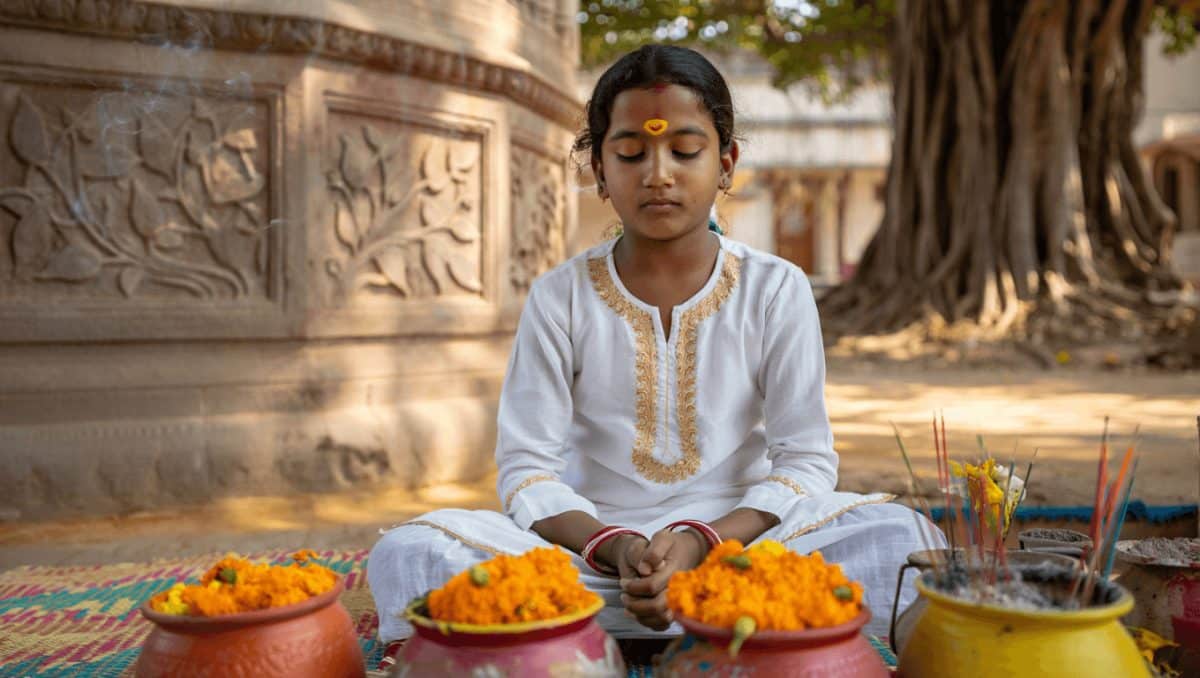
Crucially, these texts do not limit their teaching to a single, uniform method of devotion. Instead, the tradition records diverse approaches to the sacred: ritual, meditation, moral discipline and heartfelt worship all appear as valid ways of seeking the ultimate. In this way the Vedic corpus recognizes a plurality of sincere spiritual routes.
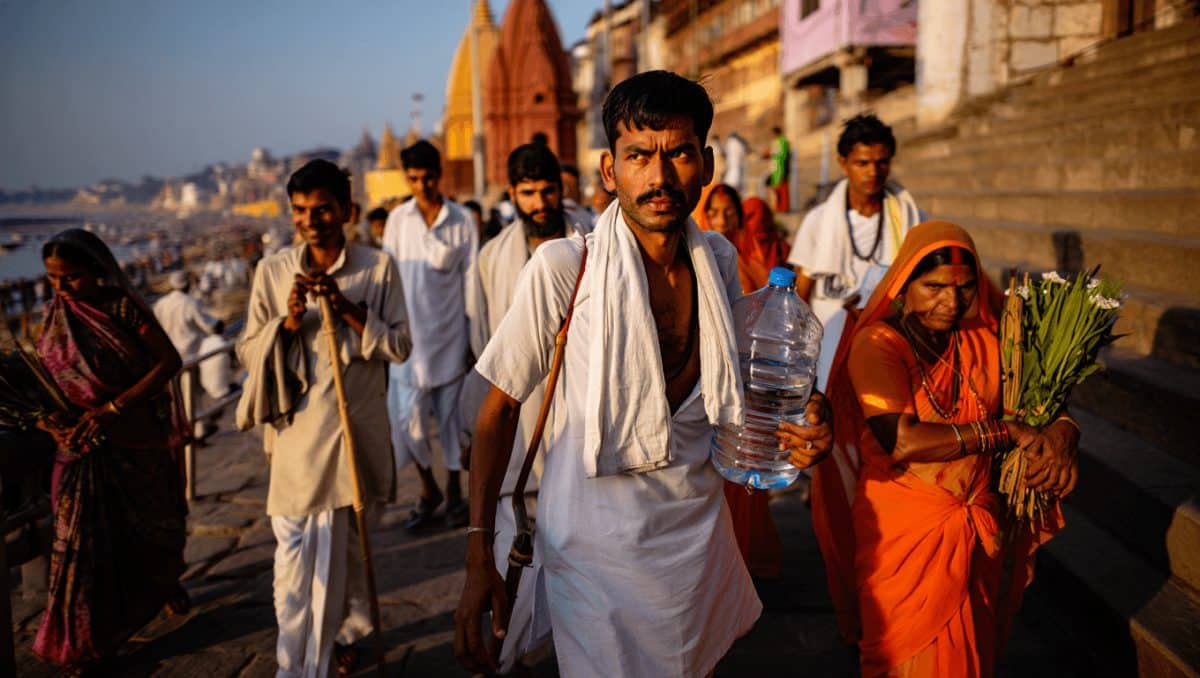
Kashi to Kedarnath costs revealed: how much a Sawan pilgrimage will set you back
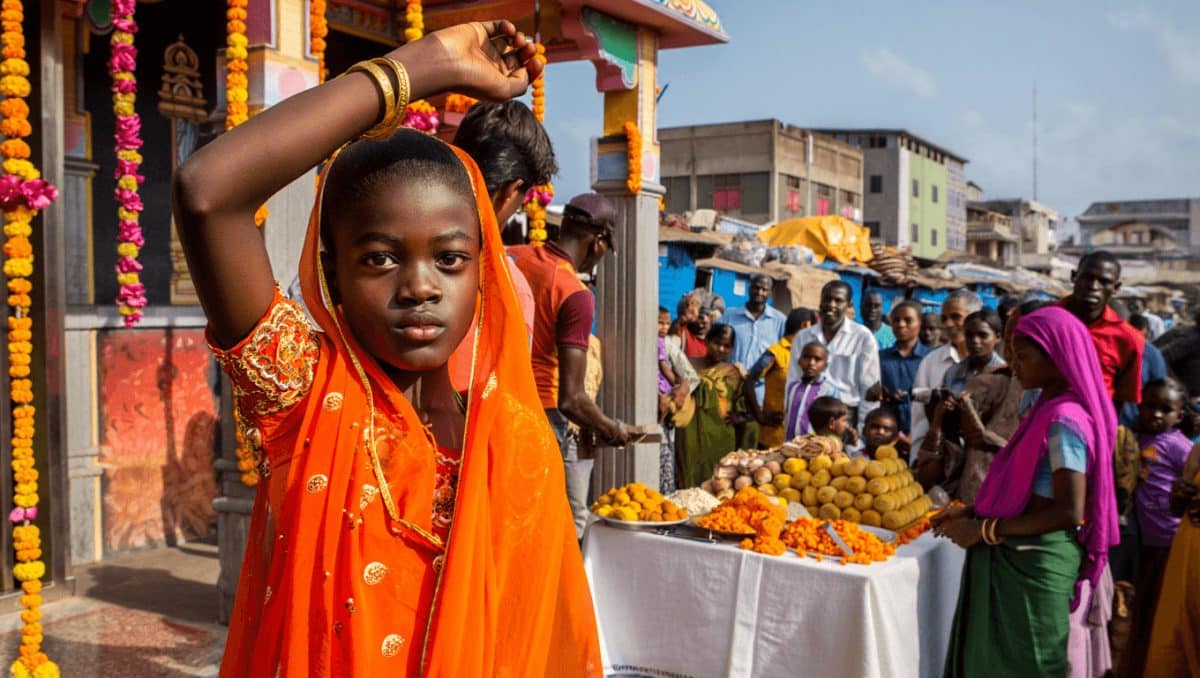
Hinduism gains ground in Africa: new communities reshape culture and commerce
That plurality is expressed in two overlapping claims: first, that the aim of spiritual practice is the uplift of the individual Self and its reconciliation with the Ultimate Reality; second, that sincere practice—however it is shaped by culture, personality or local custom—can move a person toward that goal.
Why this matters today: in an era of rising religious polarization and secular governance, such a stance has practical implications for how societies manage diversity and protect freedom of conscience. It suggests a framework where multiple forms of worship and belief can coexist without negating each other’s legitimacy.
Practical implications
The Vedic perspective on plural spiritual paths translates into several real-world consequences:
- Religious pluralism: Recognizes the legitimacy of different devotional and philosophical routes rather than enforcing a single orthodoxy.
- Interfaith dialogue: Provides historical grounding for respectful exchange between traditions that hold different theological views.
- Social cohesion: Encourages policies that protect varied forms of worship and communal life, reducing conflict over exclusive claims.
- Individual freedom: Affirms that personal temperament and circumstance can determine which spiritual path is most effective for a given person.
It is important to note that sacred traditions are complex and internally diverse; not every passage or school within a tradition speaks in the same voice. Still, the broad tendency in Vedic texts toward accepting multiple sincere paths contrasts with doctrinal systems that claim a single exclusive route to salvation.
Seen from the vantage point of the present, this Vedic emphasis on both the common good and plural spiritual practice offers a language for reconciling religious devotion with civic pluralism. Whether in legal debates, educational settings or community life, those ideas can inform more tolerant and resilient approaches to difference.