Show summary Hide summary
Odisha claimed a place in the record books this week after preparing the world’s largest serving of a traditional fermented rice dish at a state-run festival in Bhubaneswar — an event framed by officials as both a cultural showcase and a tool for connecting the Odia diaspora. The effort combined a publicity push for local cuisine with community relief: the dish was shared with thousands of people at the gathering.
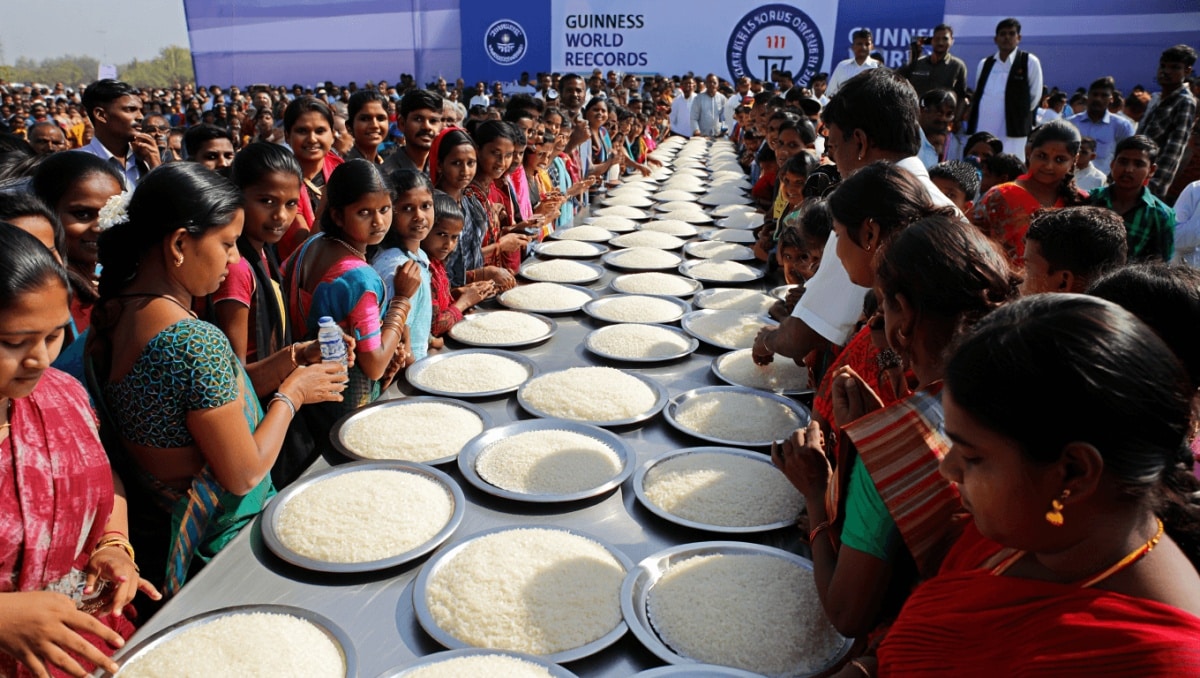
Organised by the state tourism department during the annual Pakhala Parba, the attempt produced 1,174 kilograms of the rice-based preparation known locally as pakhala. Officials said the batch used roughly 850 kg of rice and was distributed to more than 2,000 underprivileged residents from the city and surrounding districts.
The record attempt and official response
Chief Minister Mohan Charan Majhi marked the achievement on X, describing it as global recognition for a staple of Odia food culture and underlining the event’s aim to promote local gastronomy beyond the state’s borders. He framed the festival as part of a wider effort to preserve culinary traditions amid changing food habits.
Kashi to Kedarnath costs revealed: how much a Sawan pilgrimage will set you back
Hinduism gains ground in Africa: new communities reshape culture and commerce
Majhi also highlighted pakhala’s everyday and ritual roles, noting its presence in temple offerings and recalling his own childhood memories of the dish. The chief minister pointed to pakhala’s low-waste nature and its fermented character, which he said supports beneficial gut bacteria.
- Event: State-level Pakhala Parba, Bhubaneswar
- Prepared quantity: 1,174 kg of pakhala
- Rice used: ~850 kg
- Recipients: Over 2,000 underprivileged people
- Organiser: Odisha Tourism Department
- Community reach: Live video links with Odias in several countries and 15 Indian states
Connecting tradition, health and diaspora
The ceremony drew online participation from Odias living in countries including Indonesia, Malaysia, Bahrain and Singapore, and from residents of many Indian states. Officials also honoured local chefs who have promoted Odia cuisine at national and international events, framing culinary diplomacy as a soft-power lever for tourism and cultural identity.
Pakhala is a fermented rice dish typically served with water, salt and condiments; its mild acidity and live cultures are often cited in local discourse as beneficial for digestion. Event organisers and the chief minister emphasized those traditional health claims as part of the reason to present pakhala to a wider audience.
For Odisha’s tourism department, the stunt serves multiple aims: to boost awareness of regional food, to spotlight the state’s cultural assets for visitors, and to reinforce ties with an outward-moving community. Whether the Guinness body will certify the attempt as an official world record will be confirmed once its verification process concludes.
The immediate takeaway for readers: a regional dish has become an instrument of cultural promotion and public outreach, blending hospitality, heritage and outreach in a way that seeks to raise Odisha’s profile on the global stage.