Show summary Hide summary
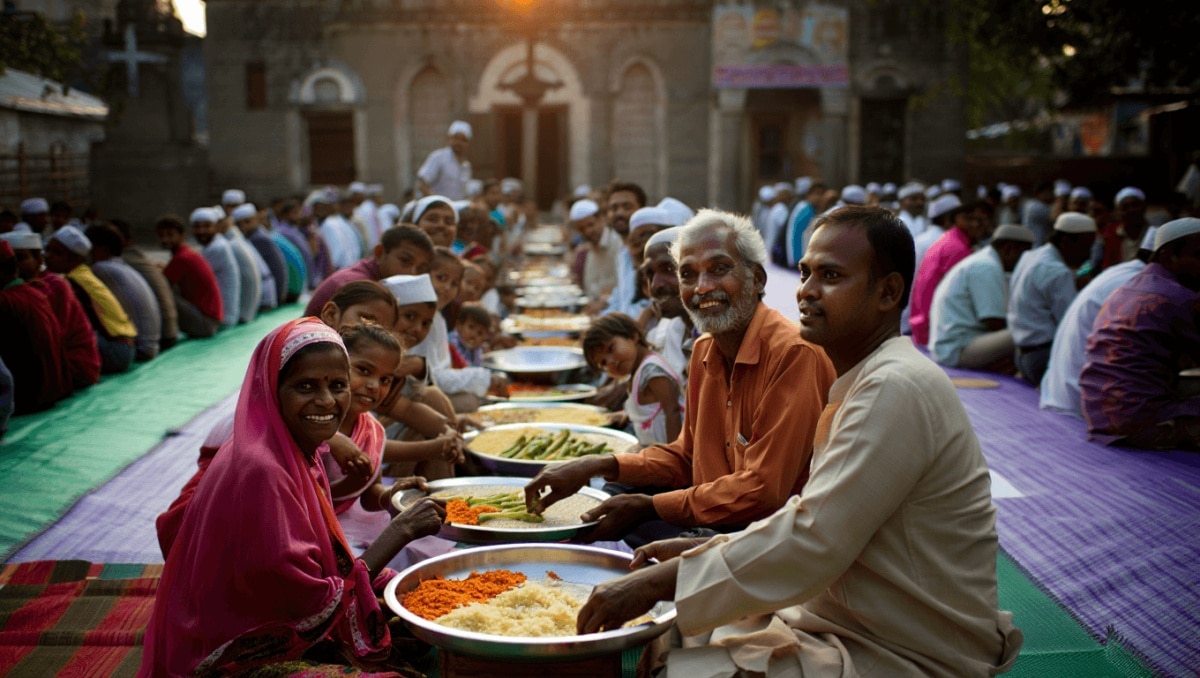
On Thursday evening, Mar Baselios Mar Gregorios Orthodox Church in Thazhathangady, Kottayam, hosted an iftar that brought Christian and Muslim residents together for a shared meal and conversation. The event underscored a local tradition of communal coexistence and offered a timely example of everyday religious harmony in Kerala.
The gathering
The iftar, held on the church grounds by the banks of the Meenachil River, drew clergy and community leaders who sat down together to break the fast. Among those present were local imams and senior figures from the Malankara Orthodox Church, signaling broad participation across faith lines.
Shah Rukh Khan used the name Abinav to ease in-law worries: Gauri adopted Ayesha during nikaah
Javed Akhtar hails Hindu festivals as cultural glue: throwback of atheist celebrating resurfaces
Father P. A. Philip, the church’s vicar and head of its human empowerment ministry, described the meeting as a practical expression of shared civic values and a commitment to peace. He noted that Thazhathangady has long been known for religious coexistence and said the event was meant to strengthen those ties.
- Key attendees: N. K. Shefeek Mannani (chief imam, Juma Masjid), Muhammad Salman Mallahari (chief imam, Mujahideen Juma Masjid) and C. J. Punnoose (cor-episcopa).
- Location detail: The church sits within a compact neighborhood where three mosques, including the historic Thazhathangady Juma Masjid, are located within roughly 500 metres.
- Organiser: Mar Baselios Mar Gregorios Orthodox Church, part of the Malankara Orthodox tradition.
Local context and legacy
The Malankara Orthodox Church traces its roots in India to traditions associated with St. Thomas the Apostle, and maintains a visible presence across Kerala. In Thazhathangady, the close physical proximity of places of worship has shaped a culture of daily interaction between communities.
For residents, such gatherings are not only symbolic: they provide opportunities to resolve small disputes, coordinate social support, and reaffirm mutual respect in practical ways. Organisers said this iftar was intended to revive and celebrate that cooperative spirit rather than serve as a one-off gesture.
Local religious leaders emphasized continuity over ceremony. By inviting Muslim clerics and community figures into the church compound, organisers aimed to make a routine practice of interfaith engagement more visible and repeatable.
Why this matters now
Events like this matter because they reinforce neighborhood-level networks that help communities manage tension and support vulnerable residents. In a time when national debates over identity and faith frequently dominate headlines, everyday acts of shared hospitality can reduce friction and build resilience.
Organisers and attendees said they hope the iftar will lead to more regular meetings and collaborative initiatives addressing social needs in the area, from education to disaster relief.
By bringing together leaders and laypeople across traditions, the gathering in Thazhathangady offered a straightforward reminder: peaceful coexistence often rests on repeated, small acts of contact rather than grand proclamations.