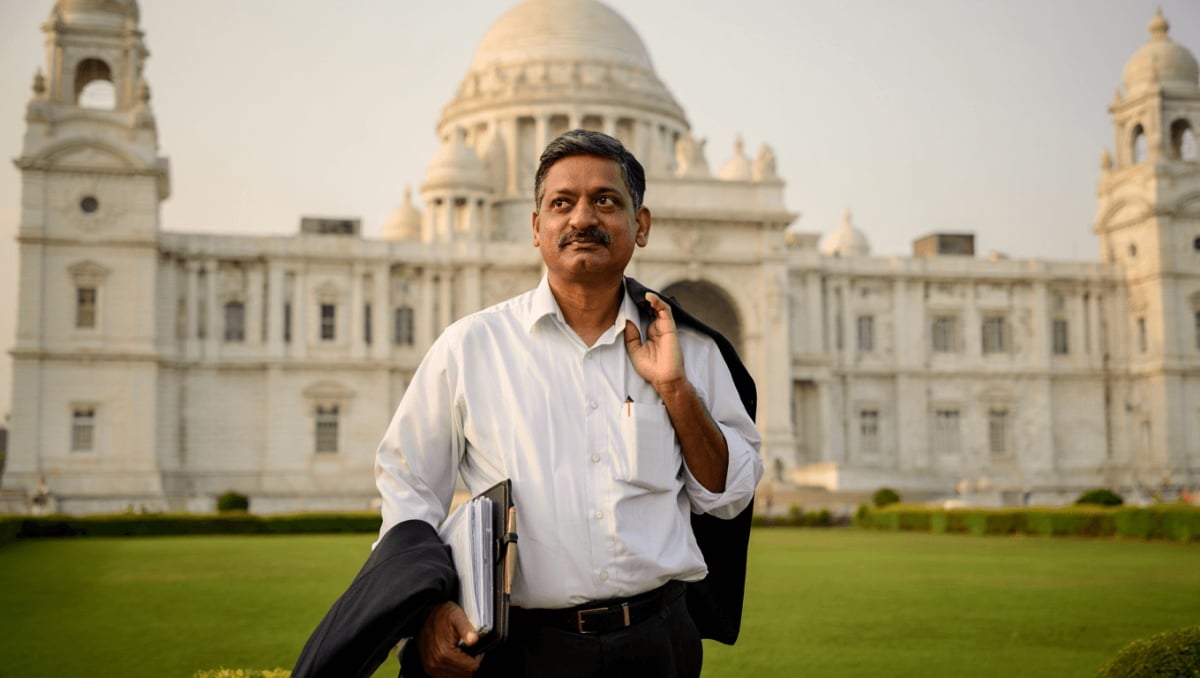
The government has handed the director of the Indian Museum an additional, temporary role as the acting secretary and curator of the Victoria Memorial in Kolkata, a move intended to keep leadership steady while a permanent appointment is made. The dual responsibility brings oversight of two of the city’s oldest cultural institutions under a single senior administrator, raising immediate questions about priorities for conservation, exhibitions and public programming.
Background and why this matters now
Both institutions are central to Kolkata’s cultural landscape and to heritage preservation in eastern India. Placing one senior official in charge of both bodies can ensure continuity of operations, but it also concentrates decision-making during a sensitive period for collections care and visitor planning. For museum staff, researchers and regular visitors, the arrangement matters because it will affect upcoming displays, conservation projects and collaborative initiatives.
What the additional charge covers
This is an interim administrative step rather than a merger. Typical responsibilities associated with the roles include managing curatorial strategy, overseeing conservation work, coordinating public programs and handling administrative duties such as staffing and budget oversight. Key immediate tasks likely to fall to the acting head include:
Kashi to Kedarnath costs revealed: how much a Sawan pilgrimage will set you back
Hinduism gains ground in Africa: new communities reshape culture and commerce
– Ensuring continuity of exhibitions and public events already scheduled
– Prioritizing urgent conservation and collection-management needs
– Maintaining liaison with funding bodies, boards or ministry officials
– Overseeing staff allocations and any inter-institutional collaboration
– Reviewing schedules for renovations, research projects and loans
A quick comparison: Indian Museum vs Victoria Memorial
| Institution | Established | Primary focus | Location |
|---|---|---|---|
| Indian Museum | 1814 | Archaeology, natural history, art and science collections | Kolkata |
| Victoria Memorial | 1921 | Colonial-era art, history and memorial architecture | Kolkata |
Potential implications and trade-offs
Consolidating leadership can streamline decision-making and open opportunities for joint programming—such as coordinated exhibitions or shared conservation expertise. But it can also stretch senior management thin, delaying longer-term initiatives that require dedicated leadership.
For stakeholders, the key implications are practical:
– Researchers may experience smoother approvals for collaborative projects, or they may face delays if priorities shift.
– Visitors could see coordinated marketing or joint ticketing options, but also possible rescheduling of exhibitions.
– Conservation work might benefit from pooled expertise, yet projects that need sustained hands-on oversight could slow if resources are reallocated.
What to watch next
This arrangement is typically temporary; public statements or a formal notification should clarify the expected duration and whether a recruitment process for a permanent secretary & curator is underway. Watch for announcements on upcoming exhibition calendars, conservation project timelines, or changes to staffing structures at either institution—those will signal how this interim leadership will shape programs on the ground.
For the moment, placing one senior official in charge aims to avoid administrative gaps. The outcome will depend on how effectively that individual balances immediate operational needs with the longer-term preservation and public-access goals of both the Indian Museum and the Victoria Memorial.