Show summary Hide summary
As Eid al-Fitr approaches, Iftaar stalls across Goa have come alive with a mix of familiar favourites and unexpected takes that are drawing diners from different communities. The season’s street food scene is doing more than feed — it’s creating moments of shared celebration and supporting small local businesses.
Old recipes, new twists
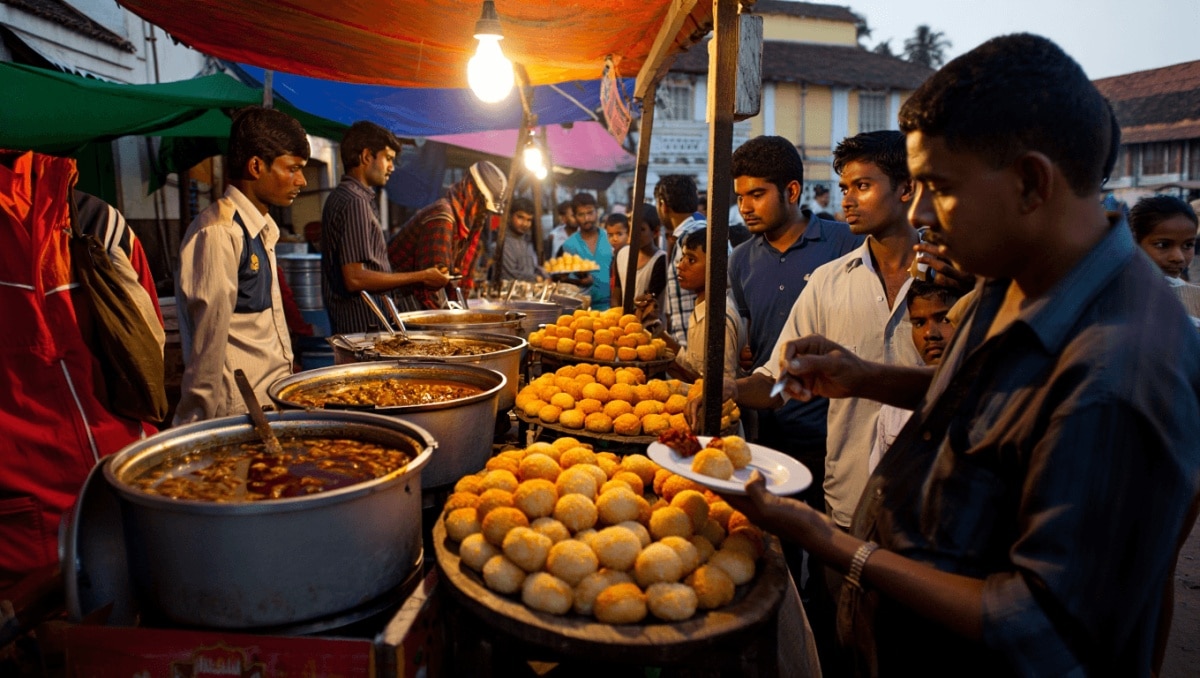
In evening markets from Panaji to the state’s smaller towns, traditional Iftaar staples sit alongside inventive dishes that reflect Goa’s culinary crossroads. Vendors are serving dates and samosas as reliably as ever, but crowds are also lining up for heartier plates such as haleem and more contemporary snacks like chicken cheese balls.
Shah Rukh Khan used the name Abinav to ease in-law worries: Gauri adopted Ayesha during nikaah
Javed Akhtar hails Hindu festivals as cultural glue: throwback of atheist celebrating resurfaces
Some cooks are blending techniques and ingredients typical of Goan kitchens with classic Ramadan fare, creating items that appeal to both longtime residents and visitors. The result: stalls that feel familiar yet fresh, and menus that invite people from different faiths to sample one another’s food traditions.
What people are choosing
- Dates and fruit chaat — a common starter to break the fast, often paired with tea or fresh juices.
- Samosas and pakoras — fried snacks remain crowd-pleasers for their portability and flavour.
- Haleem — a slow-cooked, spiced porridge that attracts diners seeking a filling, warming option.
- Chicken cheese balls — a contemporary street-food item that’s become popular for its fusion appeal.
- Local variations — some stalls add regional spices or coastal ingredients to traditional recipes, offering a Goan signature on well-known dishes.
These choices matter beyond taste. For many stall owners, the Iftaar period constitutes a meaningful share of seasonal income. For customers, the stalls provide easy access to communal dining without formal seating, encouraging spontaneous social interaction.
Community and commerce
The evening rush at Iftaar markets is a visible reminder of how food can bridge social lines. People from different backgrounds gather in open-air settings, often sharing plates and conversation. That social mixing has both cultural and economic implications: it strengthens neighbourhood ties while circulating money through small-scale vendors and suppliers.
City officials and local observers say the activity also highlights opportunities and challenges. Managing crowd flow, maintaining hygiene standards, and ensuring fair pricing are immediate concerns for market managers during the busy nights leading up to Eid.
As the festival draws nearer, the stalls are expected to remain popular, offering a snapshot of Goa’s evolving food culture — one in which tradition and innovation coexist on the same plate.