Show summary Hide summary
New Delhi rejected a US commission’s 2026 report on Monday, calling its findings one‑sided and its recommendations — including targeted sanctions on the Rashtriya Swayamsevak Sangh and the intelligence agency R&AW — unfounded. The spat raises fresh questions about how Washington might weigh human‑rights assessments against strategic ties with India.
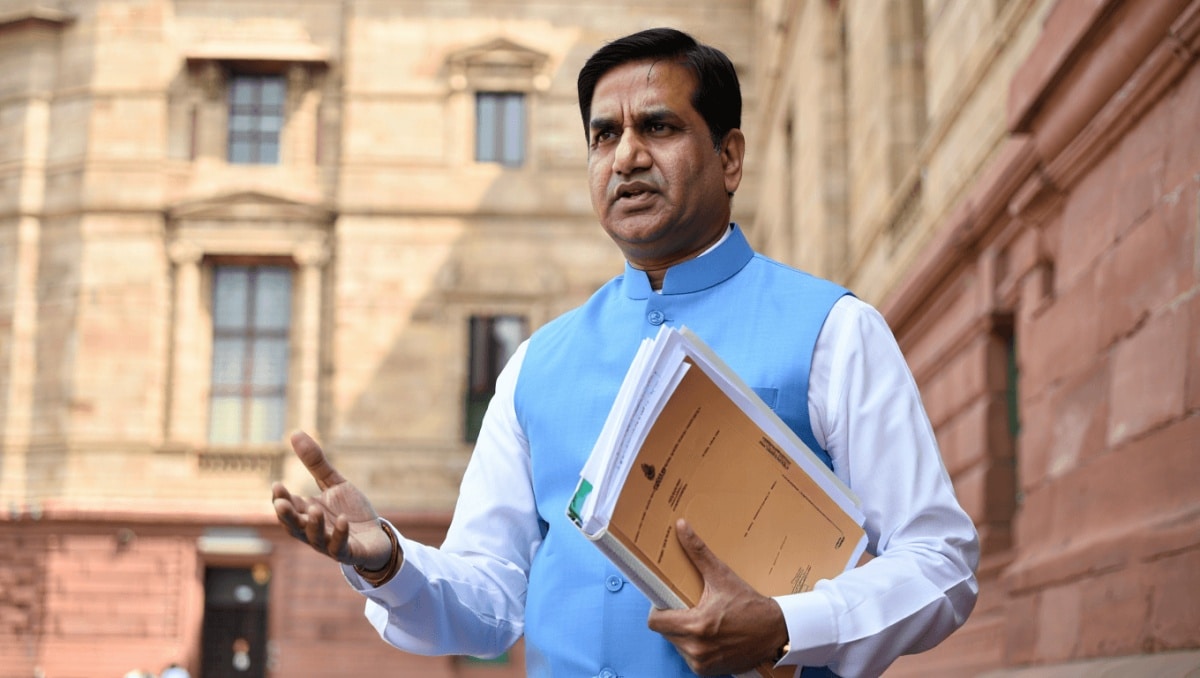
The Ministry of External Affairs accused the US Commission on International Religious Freedom of relying on partisan sources and repeating a selective narrative about religious freedom in India. MEA spokesperson Randhir Jaiswal said the panel’s portrayal ignored on‑the‑ground realities and eroded the Commission’s credibility.
Key claims and official rebuttal
The commission’s report, which the panel describes as a survey of religious‑freedom conditions across India, urged US policymakers to consider linking arms transfers and trade measures to human‑rights performance. It singled out the role of Hindu nationalist groups and alleged increasing discrimination and violence against religious minorities.
Shah Rukh Khan used the name Abinav to ease in-law worries: Gauri adopted Ayesha during nikaah
Javed Akhtar hails Hindu festivals as cultural glue: throwback of atheist celebrating resurfaces
- USCIRF’s finding: A worsening record on freedom of religion, with recommendations to designate India as a Country of Particular Concern and to impose targeted measures.
- Indian response: The MEA called the analysis biased and said it relied on questionable sources rather than objective facts.
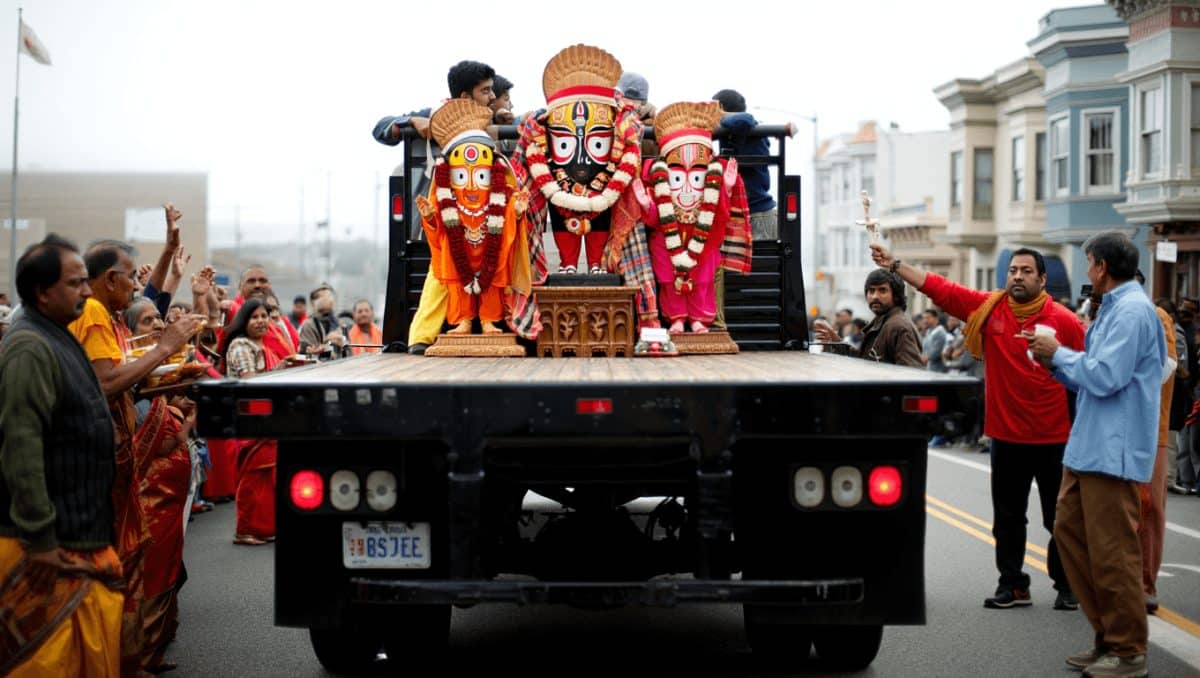
- Diplomatic angle: New Delhi highlighted incidents it says demonstrate anti‑Indian sentiment and attacks on Hindu sites in the United States, asking for equal scrutiny of those trends.
The panel’s report carries weight because it advises the US President, the State Department and Congress. But the commission is an advisory body created by Congress in 1998; its nine commissioners are appointed by senior political leaders, a fact New Delhi has cited to question the panel’s independence.
What this could mean for policy and politics
At stake is more than rhetoric. A formal US designation of India as a Country of Particular Concern could trigger diplomatic pressure or restrictions that affect trade, defense sales and bilateral cooperation. For now, such designations are recommendations rather than automatic policy changes — the State Department must decide whether to act.
Within India, the government has repeatedly rejected outside criticism of its record on communal harmony and religious pluralism. Officials argue that India’s constitutional protections and diverse religious landscape contradict the commission’s portrayal, and they have previously labeled the commission “biased” with a political agenda.
For the Indian diaspora and US policymakers, the episode underscores two converging debates: how to address human‑rights concerns abroad without disrupting strategic partnerships, and how to respond to communal tensions within immigrant communities in the United States.
Background in brief
The commission’s latest dossier — titled to highlight what it describes as systematic persecution — follows a 2025 recommendation that India be placed on the CPC list. USCIRF says it monitors global freedom of religion or belief and makes independent recommendations; critics point out that its appointments come from elected US officials.
Both sides appear to be digging in. New Delhi has asked the commission to examine incidents affecting Indian communities in the US, while US decision‑makers will weigh the commission’s findings alongside diplomatic and strategic considerations.
How Washington responds will determine whether this remains a rhetorical dispute between an advisory body and a government, or becomes a factor in concrete policy adjustments affecting US‑India relations.