Show summary Hide summary
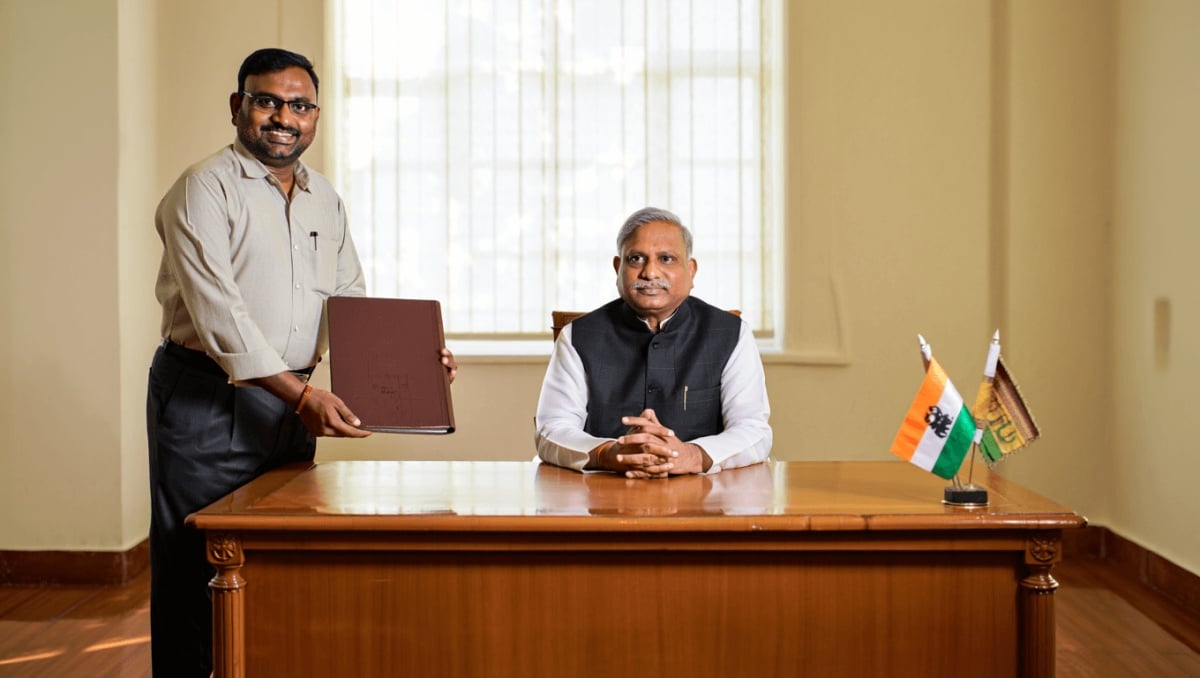
Gujarat’s government has received a final report from a state-appointed committee on a proposed Uniform Civil Code, and officials say a draft bill could be introduced during the current assembly session. The submission — handed to Chief Minister Bhupendra Patel by committee chair Justice Ranjana Desai — sets out a single legal framework for personal law areas and highlights women’s rights as a central concern.
What the panel recommends
The committee, led by retired Supreme Court judge Justice Ranjana Desai, recommends replacing multiple community-specific rules with a common set of laws governing family matters. According to the government, the report covers marriage, divorce, inheritance and adoption, and assigns priority to ensuring equal rights and protections for women.
Shah Rukh Khan used the name Abinav to ease in-law worries: Gauri adopted Ayesha during nikaah
Javed Akhtar hails Hindu festivals as cultural glue: throwback of atheist celebrating resurfaces
Officials told reporters the state’s legislative affairs department has been directed to prepare the implementation bill. Sources said the proposed law would apply to residents who have been domiciled in Gujarat for at least ten years and include exemptions in certain categories for members of Scheduled Castes and Scheduled Tribes.
- Single legal code for family law across religions and communities
- Special exemptions proposed for some SC/ST categories
- Eligibility linked to a minimum 10-year state domicile
- Women’s rights and protections emphasized in the draft framework
Key provisions at a glance
| Area | Reported proposal |
|---|---|
| Marriage | Common legal definitions and procedures replacing separate personal laws |
| Divorce | Uniform grounds and processes for dissolution across communities |
| Inheritance / Succession | Standardised rules for succession to ensure parity across religions |
| Adoption | Single legal pathway for adoption irrespective of community |
| Applicability | Individuals domiciled in Gujarat for 10+ years; select exemptions for SC/ST |
How the report was compiled
The committee was appointed in February 2025 to examine practical and legal aspects of implementing a Uniform Civil Code in the state and to prepare a draft bill. Its membership included former senior bureaucrat C.L. Meena, advocate R.C. Kodekar, ex-vice chancellor Dakshesh Thakar and social worker Gita Shroff.
Rather than a brief consultation, members spent months traveling across Gujarat, meeting local organisations and religious groups. The panel invited feedback through public hearings and an online portal — the government says more than 1.9 million suggestions were logged while the committee extended its original 45-day deadline to complete the work.
Next steps and likely timetable
Government officials indicated the legislative affairs department will now finalise the text of the UCC bill, which the state is expected to place before the assembly in the current session. Lawmakers can anticipate a heated debate: a common civil code is both legally complex and politically sensitive.
Why this matters now
Bringing a Uniform Civil Code into force would touch millions of residents by changing the legal rules that govern family life. For readers in Gujarat and observers nationwide, the consequences include immediate legal adjustments in family disputes, property succession and adoption procedures — and broader discussions about the balance between uniform civil rights and religious autonomy.
As the bill moves from committee report to legislative text, key questions remain: how exemptions will be structured, how courts will interpret new provisions, and how the state will manage transitions for communities currently governed by separate personal laws. Those outcomes will shape both legal practice and political discourse in the months ahead.