Show summary Hide summary
The University of Oxford received fresh praise online after marking the start of Chaitra Navratri with a warm social-media greeting, a simple gesture that drew attention for its cultural sensitivity and resonance with international students. The reaction highlights how symbolic acknowledgements from major institutions can shape campus climate and signal a broader shift toward visible inclusivity.
In a post published recently, Oxford shared a message recognising the nine-day Hindu festival, accompanied by a photograph of the university’s iconic vaulted towers against an evening sky. The update attracted hundreds of supportive replies from around the world, with many users welcoming the acknowledgement as meaningful and respectful.
Why the message resonated
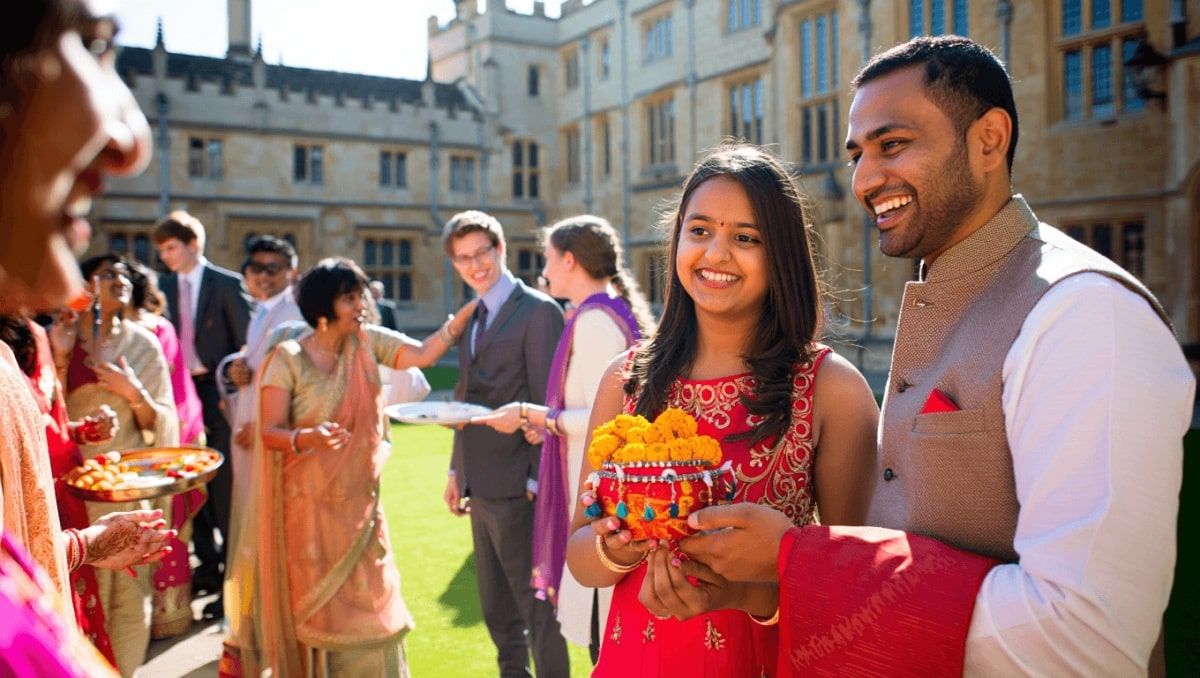
For many Indian-origin students and alumni, the greeting felt like more than a social-media routine: it was an affirmation of cultural identity within an institution that brings together learners from across the globe. Observers said such signals can help international communities feel genuinely included rather than merely tolerated.
Kashi to Kedarnath costs revealed: how much a Sawan pilgrimage will set you back
Hinduism gains ground in Africa: new communities reshape culture and commerce
At larger scale, public recognitions of religious and cultural observances contribute to how universities present themselves abroad — influencing perceptions among prospective applicants, families and academic partners.
What is Chaitra Navratri?
- Duration: A nine-day festival observed in the Hindu month of Chaitra, usually falling in March or April.
- Focus: Devotion to the nine forms of the goddess, collectively known as Navadurga, with rituals, fasting and prayer.
- Culmination: The festival concludes with Ram Navami, which commemorates the birth of Lord Rama.
- Meaning: For many devotees, it symbolizes the triumph of good over evil and a renewal of spiritual energy.
Broader context and implications
Oxford — an institution tracing its origins to the late 11th century and one that enrolls students from well over 160 countries — has in recent years expanded the range of cultural events it recognises publicly. That trend is visible across higher education, where seasonal greetings and festival posts are increasingly treated as part of student engagement and welfare work.
Such acknowledgements carry practical consequences: they can reduce feelings of isolation among minority students, strengthen alumni ties, and affect how international audiences judge an institution’s cultural competence. At the same time, they invite scrutiny about consistency — whether universities follow through with inclusive policies beyond seasonal posts.
Online responses to Oxford’s greeting were overwhelmingly positive, describing the move as heartening and affirming. For campus communities and higher-education leaders, the episode is a reminder that small public gestures can have outsized effects on belonging and reputation.