Show summary Hide summary
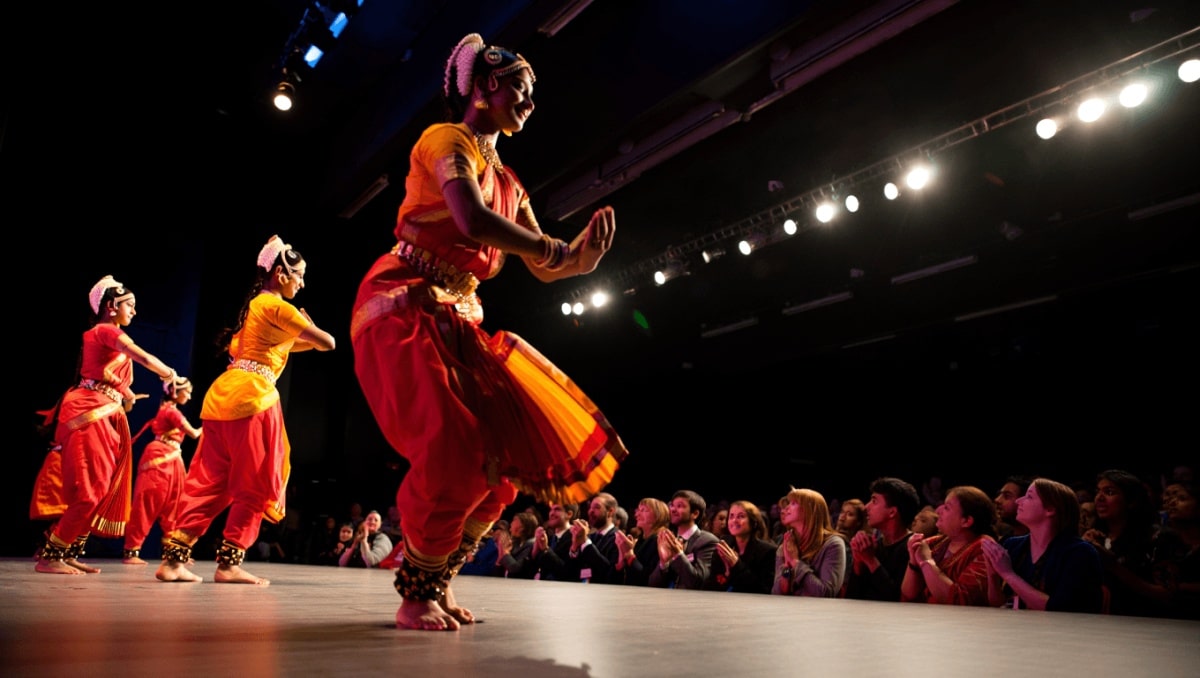
A dance collective born in Odisha’s hilly Koraput district is this spring taking its repertory to London, spotlighting regional folk and classical traditions on international stages. The company’s work combines local movement vocabularies with contemporary theatre practice, raising fresh questions about who gets to represent India abroad and why those stories matter now.
From village floors to urban theatres
Kashi to Kedarnath costs revealed: how much a Sawan pilgrimage will set you back
Hinduism gains ground in Africa: new communities reshape culture and commerce
Labangalata – NrutyaVibes grew from community workshops and village festivals, seeking to keep local repertoires alive while adapting them for larger audiences. Performances draw on a mix of tribal and rural forms found across southern Odisha alongside classical currents such as Odissi, reworked into ensemble pieces that foreground rhythm and storytelling.
Dancers rehearse on the same clay and concrete that shape their footwork; musicians use indigenous percussion and bamboo instruments. That rootedness gives the shows a tactile quality—movement shaped by land and labour, not only by concert-hall conventions.
Why London now
The company’s London appearances, part of a short UK season in March–April 2026, arrive amid growing interest in plural, non-metropolitan Indian cultural projects. For audiences and programmers, the shows offer an alternative to the more familiar, classical-only narratives of Indian dance.
For performers, the tour is also practical: it opens new income streams, professional exchanges with European choreographers and teachers, and opportunities to run workshops for the Indian diaspora and local students.
What a Labangalata performance looks like
| Element | Description | Why it matters |
|---|---|---|
| Movement | Short phrases drawn from tribal dances, punctuated by Odissi-inspired gestures and contemporary contact work. | Positions local vocabularies as dynamic and adaptable, not museum pieces. |
| Music | Live percussion, wind instruments and call-and-response singing rooted in Koraput traditions. | Maintains sonic authenticity while allowing cross-genre arrangement for theatre settings. |
| Design | Simple costumes using local textiles; sparse sets that emphasize bodies and rhythm. | Focuses attention on movement and community narratives rather than spectacle. |
Local impact, wider implications
Back in Odisha, the company’s work has led to measurable shifts: young people from Koraput who might otherwise leave for urban jobs are staying to train and perform; elders are more willing to teach traditional songs and steps; and a local economy around costume-making and instrument-making has expanded.
On the international front, the shows raise questions producers and curators are beginning to address—about authenticity, authorship and the ethics of adaptation. Collaborative residencies with London-based artists have already started, producing short films and classroom modules that travel beyond the evening performance.
Recent milestones
- Company founded out of village workshops and public performances in Koraput, evolving into a formal ensemble over the past decade.
- Expanded training programmes that pair experienced tradition-bearers with younger dancers from the region.
- March–April 2026: series of performances and community workshops in London, part of a broader UK engagement.
Labangalata – NrutyaVibes’ tour is modest in scale but significant in consequence. It illustrates how regionally rooted ensembles can enter global circuits without losing local referents, and it tests whether international exposure translates into sustainable cultural infrastructure at home.
In practical terms, the company’s London run may reshape demand for Indian dance on European programmes, nudging presenters to seek out voices from outside metropolitan centres. For audiences, it offers a chance to see how dance practices tied to a particular landscape can be reframed for new contexts while still carrying the imprint of their origins in Koraput.