Show summary Hide summary
A viral social media post this week criticizing a planned Hindu temple in Plano has reignited debates over immigration, religious visibility and online harassment in the Dallas–Fort Worth area. The exchange, which unfolded on X, has brought fresh scrutiny to how digital platforms amplify local tensions and shape perceptions of growing South Asian communities.
What sparked the controversy
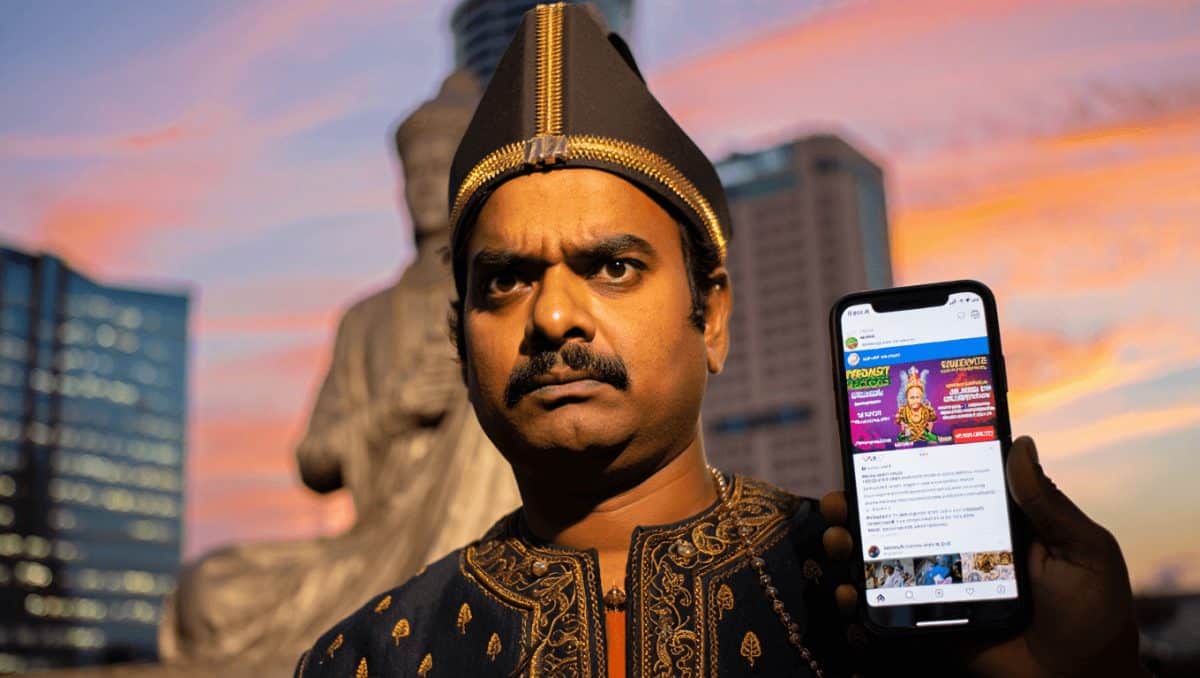
An account identifying itself with nationalist views posted a video clipped from the Sri Ganesha Temple’s project pages and argued that the new site represented yet another sign of cultural displacement. The post claimed the facility would be the 18th Hindu temple in the Dallas–Fort Worth metroplex and described the trend as a larger, organized shift in the community landscape.
Kashi to Kedarnath costs revealed: how much a Sawan pilgrimage will set you back
Hinduism gains ground in Africa: new communities reshape culture and commerce
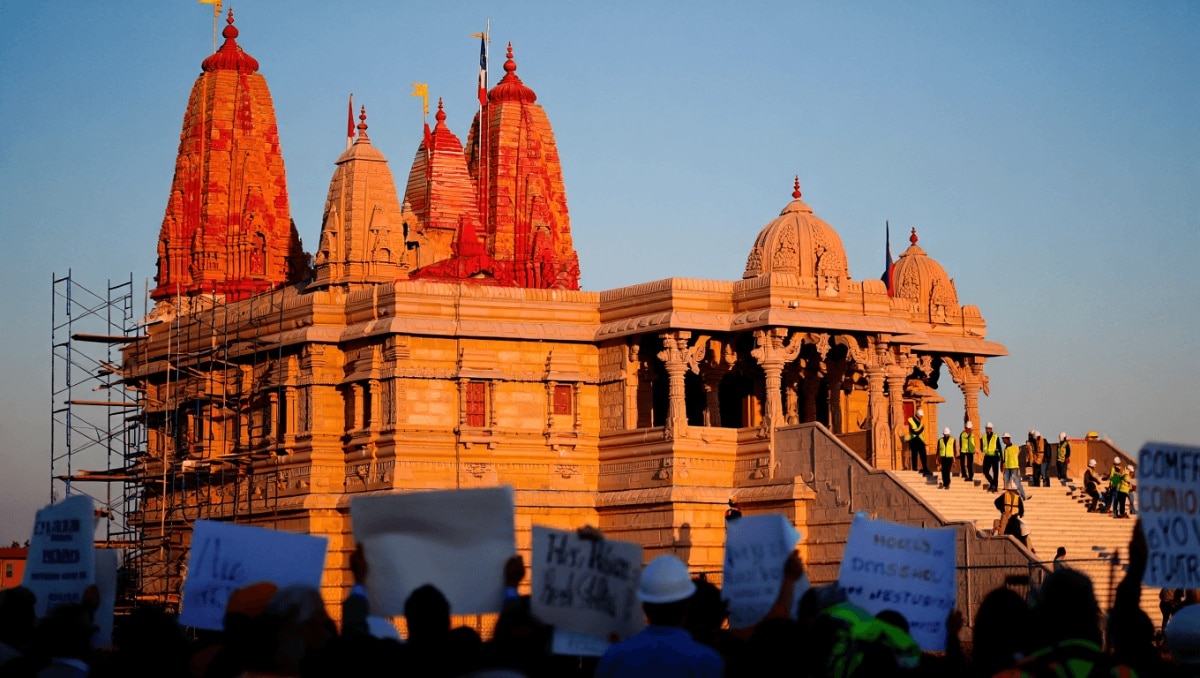
The temple project, according to material published by the organization, includes 3-D architectural renderings and stone carvings and is planned as a roughly 20,000-square-foot worship complex. Temple leaders say construction is on track for completion in late 2026 in Plano, a city that has become a focal point for South Asian residents and institutions.
Online reactions and local fallout
The X post circulated widely, drawing both derisive commentary and alarmist accusations from some users who framed the temple as evidence of an unwanted cultural takeover. Others raised concerns about immigration, claiming without evidence that such projects are a vehicle for importing religious personnel.
Social responses ranged from mockery of Hindu religious practices to direct calls for scrutiny of caste and cultural traditions. While many comments were anonymous or categorical, the exchange reflects a broader pattern of how religion and immigration intersect in public conversation.
- Planned temple: Sri Ganesha Temple, ~20,000 sq ft, projected opening late 2026.
- DFW religious landscape: More than a dozen major Hindu temples serve the region’s Indian-American population.
- Population: Indian-Americans number roughly 235,000 in the metro area, about 3% of the total population, concentrated in suburbs such as Plano, Frisco and Lewisville.
- Online dynamics: A 2022 study by the Network Contagion Research Institute at Rutgers found coordinated patterns of social-media activity targeting Hindu communities.
- Recent local incidents: Public exchanges in Plano city meetings and accusations circulated by influencers have heightened tensions in the region.
Why this matters now
Plano and several neighboring suburbs have seen rapid growth in South Asian residents, businesses and cultural centers. For many locals, that visibility has translated into new civic participation and community resources. For others, the pace of change has prompted unease—anxiety that is easily amplified online and can spill into public confrontations.
The stakes extend beyond a single building. When disputes over a temple become viral, they can influence local politics, school boards, housing debates and the willingness of new immigrants to engage publicly. Community leaders warn that persistent negative portrayals can erode trust and make it harder to resolve disputes through ordinary civic channels.
Research and risks
Analysis by researchers at Rutgers’ Network Contagion Research Institute in 2022 identified systematic efforts on social platforms to target Hindu groups, noting how automated accounts and coordinated messaging can intensify polarization. The report cautioned that online hostility sometimes migrates into real-world harassment and urged communities and platforms to monitor escalation.
Local advocates say that monitoring and prompt moderation are important, but so are on-the-ground relationships. Interfaith outreach, transparent planning processes for places of worship, and community forums can reduce misunderstandings and defuse tensions before they widen.
Recent local flashpoints
In the Dallas–Fort Worth area, the online debate about the Plano temple follows several public incidents where Hindu communities were criticized or mocked. Those episodes—from heated remarks at a city council meeting to influencer-led accusations about housing—have underscored how both elected officials and private commentators shape public sentiment.
For residents who support the new temple, the project represents a place for worship, cultural programs and community gatherings. For opponents, it has been framed as a symbol in a larger argument about demographic change—an argument that is increasingly mediated by social platforms rather than local dialogue.
As the Sri Ganesha project moves forward, community leaders, elected officials and platform operators will face choices about how to address misinformation, protect vulnerable groups from harassment, and preserve the civic space needed for constructive debate.