Show summary Hide summary
The Free Speech Union has informed the government it intends to seek a judicial review over the UK’s newly adopted definition of anti-Muslim hostility, saying the measure threatens free expression and religious practice. The pre-action protocol letter, sent to Communities Secretary Steve Reed, argues the definition is unlawful and could have far-reaching effects for faith communities, commentators and women speaking about abuse.
What the legal challenge says
In the letter, the FSU and several allied organisations set out a range of legal objections. They contend the definition breaches protections under the European Convention on Human Rights by limiting the ability of individuals to criticise or discuss Islam without fear of sanction. The claimants warn the wording could amount to an effective curb on speech about religion.
Shah Rukh Khan used the name Abinav to ease in-law worries: Gauri adopted Ayesha during nikaah
Javed Akhtar hails Hindu festivals as cultural glue: throwback of atheist celebrating resurfaces
The group also argues that existing criminal and civil laws already cover hate crime and harassment, so the new definition adds a layer of restriction that could operate like a modern-day blasphemy prohibition. That, they say, would be an unprecedented constraint on public debate in the UK.
Who is bringing the case
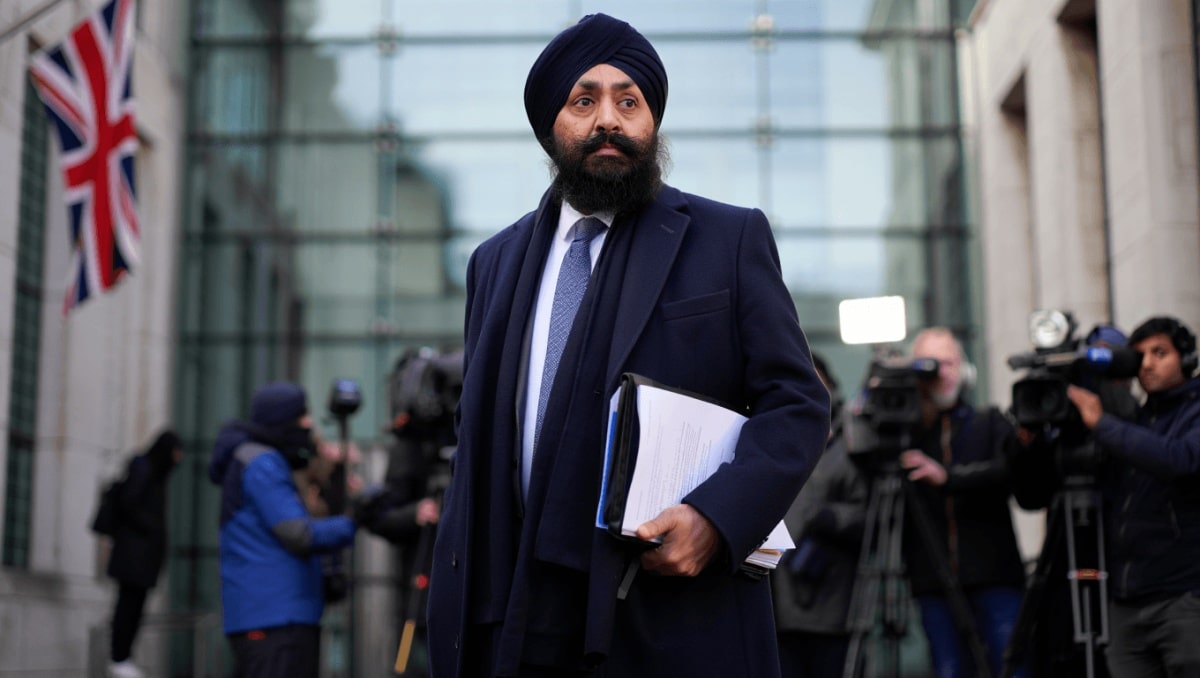
Alongside the Free Speech Union, organisations joining the pre-action notice include the Network of Sikh Organisations, the Christian Institute and the Women’s Policy Centre. They say the definition could sweep up conduct and expressions that are part of other faiths’ practices or historical accounts, exposing believers and commentators to legal risk.
- Network of Sikh Organisations: warns the definition could capture references to Sikh history and religious texts.
- Christian Institute: raises concerns about criticism of religious doctrine being restricted.
- Women’s Policy Centre: highlights possible chilling effects on survivors and campaigners addressing issues such as honour-based abuse and female genital mutilation.
Specific cultural and religious concerns
The letter points to concrete examples from Sikh practice and scripture that it says might fall foul of the new wording. It notes that narratives about historical conflicts and depictions of martyrs, as well as teachings contained in the Sikh holy book, could be interpreted as hostile under an expansive reading of the definition.
Separately, the claimants say routine religious distinctions — such as Sikhs’ refusal to accept halal meat on ethical grounds — could themselves be judged hostile if expressed publicly. That, they argue, risks elevating the sensibilities of one faith above those of others and interfering with the free exercise of religion.
Wider implications for public debate
Beyond faith communities, the pre-action letter warns the definition may silence public figures and writers who critique Islam, and deter researchers, journalists and activists from raising delicate social issues. The authors cite the potential for discussion about grooming gangs, honour violence and other harms to be chilled if speakers fear being branded as engaging in hostility.
| Issue | Claimants’ concern |
|---|---|
| Legal basis | Invokes European Convention on Human Rights protections for free expression and religion |
| Scope | May capture historical accounts, religious images and routine doctrinal statements |
| Social impact | Could deter reporting and discussion of gendered abuse and other public-interest issues |
The FSU’s lawyers also flag a political dimension, suggesting the definition’s introduction may have been influenced by policy considerations rather than legal necessity. The pre-action notice gives the government an opportunity to respond before the matter is taken into court.
How the government reacts will determine whether this dispute proceeds to a full judicial review. Whatever the next step, the case places freedom of speech, minority religious practice and protections against hate at the centre of a fast-moving public policy debate.