Show summary Hide summary
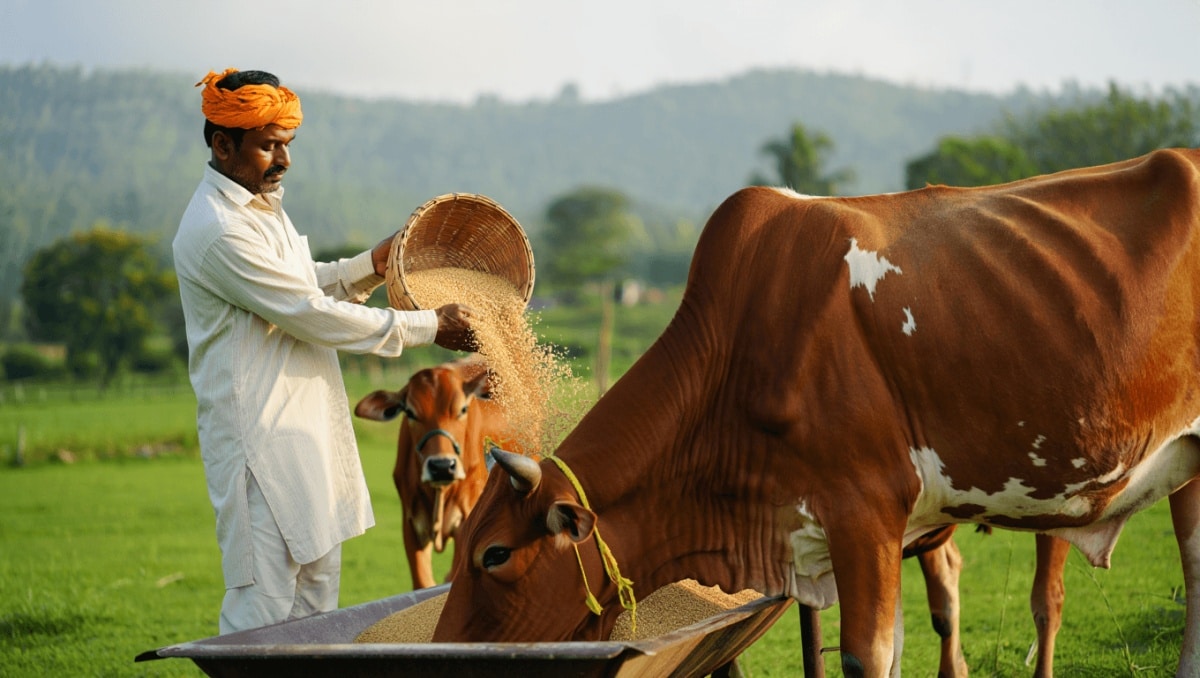
Feeding cows remains a visible ritual across many Indian communities, where the timing of the act is often thought to shape its spiritual or practical benefits. As public interest in traditional practices rises alongside debates about animal welfare and cultural identity, the choice of day for this custom still carries meaning for millions.
In popular belief, each weekday is linked to a specific set of intentions or blessings. Practitioners treat the ritual not only as an offering to animals but as a way to express gratitude, seek protection, or set a household’s tone for the days ahead.
How the days are commonly interpreted
- Monday — Seen as a day for inner calm and spiritual reflection; many who observe the custom associate feeding on Monday with clarity of mind and devotional focus.
- Tuesday — Traditionally connected to protection and health; devotees often believe offerings made on this day help avert misfortune and strengthen resilience.
- Wednesday — Frequently linked with material advancement; some hold that midweek observance can invite better financial prospects or workplace fortune.
- Thursday — Associated with family harmony and social bonds; feeding cows on Thursday is thought to nurture domestic peace and close relationships.
- Friday — Tied to matters of affection and partnership; the day is commonly chosen by those seeking understanding or improved ties with loved ones.
- Saturday — Considered a time to counteract past difficulties and stabilize one’s circumstances; offerings on Saturday are believed to mitigate hardships.
- Sunday — Linked to honor and public standing; people sometimes perform the ritual on Sunday in hopes of greater recognition or professional success.
Kashi to Kedarnath costs revealed: how much a Sawan pilgrimage will set you back
Hinduism gains ground in Africa: new communities reshape culture and commerce
These associations are part of a living cultural vocabulary: some households follow the pattern strictly, others adapt it to local customs or personal belief. The practice reinforces a rhythm of care that keeps cattle visible in community life, and for many it is an expression of respect rather than a literal formula for outcomes.
Why this matters now
Interest in weekday-based rituals has returned to the public conversation for several reasons. Urban migration, renewed investment in rural traditions, and increased media coverage of religious practices have all made these customs more present in national discourse.
At the same time, animal welfare advocates and local authorities are asking questions about how such rituals are carried out in practice—highlighting issues like proper feeding, shelter, and veterinary care. For readers, the intersection of ritual and responsibility has concrete implications: sustaining cultural practices while ensuring the health and safety of animals.
For those considering observing the custom, a few practical points stand out:
- View the day-choice as symbolic rather than deterministic; the ritual’s social and psychological effects often matter more than promised outcomes.
- Pair ritual acts with basic animal care—clean water, appropriate feed and veterinary attention—to avoid harm.
- Recognize local variation: interpretations differ widely by region, community and family tradition.
Whether seen as devotional, cultural or social, the practice of feeding cows on specific weekdays remains a durable element of Indian life. Its persistence reflects how ritual can shape daily rhythms, transmit values, and prompt conversations about the responsibilities that accompany cultural traditions.