Show summary Hide summary
- Kailashnath Temple (Ellora), Maharashtra, India
- Brihadeeswarar Temple, Thanjavur, Tamil Nadu
- Murudeshwar Temple, Karnataka
- Kotilingeshwara, Karnataka
- Pashupatinath, Kathmandu, Nepal
- Prambanan Temple Complex, Central Java, Indonesia
- Gangaikonda Cholapuram, Tamil Nadu
- Vadakkunnathan Temple, Thrissur, Kerala
- Frequently asked questions
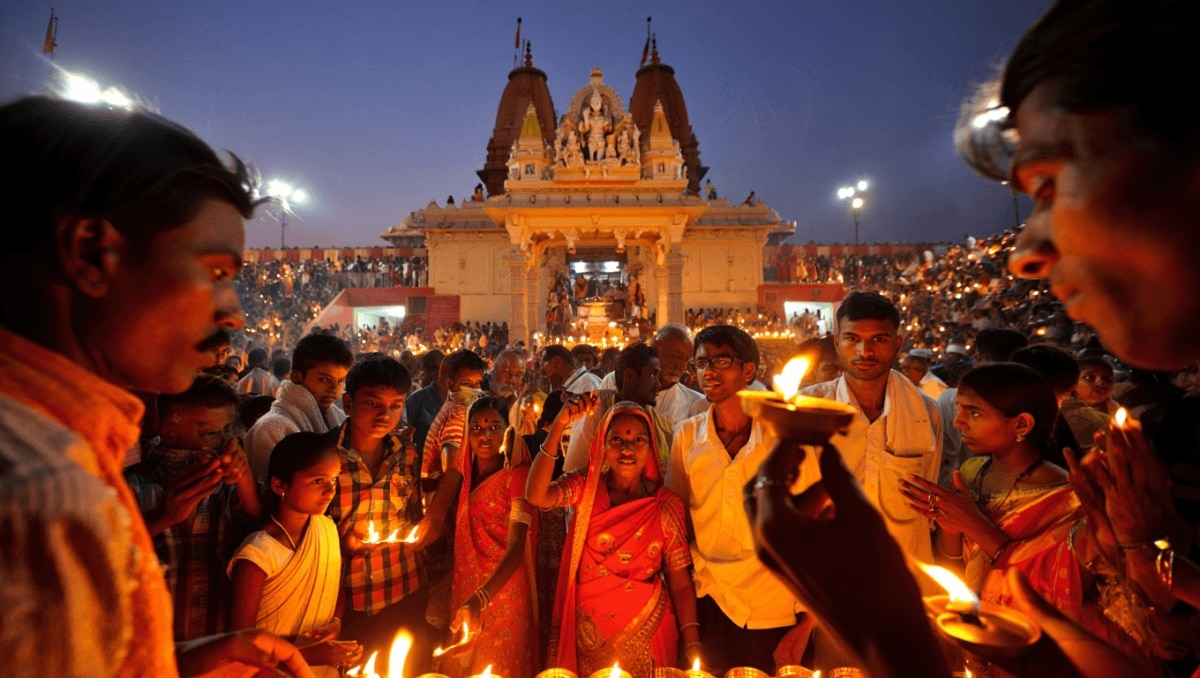
Maha Shivaratri falls on February 15, 2026, drawing thousands of pilgrims and worshippers to night-long prayers and temple rituals. This yearly observance — devoted to Lord Shiva and his consort — matters now because it concentrates large gatherings, cultural events and conservation concerns at some of the world’s most important Shiva shrines.
The night is traditionally reserved for fasting, meditation and continuous chanting, with devotees seeking renewal and inner transformation. Rituals center on the worship of the Shiva lingam and the remembrance of Shiva’s cosmic dance, the Tandava, a symbol of destruction and renewal that underpins much of the festival’s spiritual meaning.
Kailashnath Temple (Ellora), Maharashtra, India
Annamalai applauds Bhagwat’s message on Muslim inclusion in India
Navratri in Times Square goes viral: social media splits over Indian celebrations abroad
Carved downward from a single basalt rock in the 8th century during the Rashtrakuta era, the Kailash shrine at Ellora is an engineering and artistic achievement. The complex reads like a stone narrative — friezes, pillars and sculpted figures that recreate episodes from major epics and local legend.
Visitors arrive to see what scholars call one of the largest monolithic temples in the world; for pilgrims it remains a living place of worship.
Brihadeeswarar Temple, Thanjavur, Tamil Nadu
Commissioned by Raja Raja Chola I in the early 11th century, the Brihadeeswarar complex epitomizes Chola ambition and technical skill. Its soaring vimana exceeds 60 metres and the courtyard houses a monumental Nandi carved from a single stone.
Beyond its scale, the temple continues as an active ritual centre and a UNESCO-inscribed site, which places preservation responsibilities on local and national authorities.
Murudeshwar Temple, Karnataka
Sited dramatically on the Arabian Sea coastline, Murudeshwar is best known for its towering recreation of Shiva — a statue approximately 123 feet tall — and for a 237-foot gopura that provides sweeping coastal views.
The temple blends scenic tourism with devotional activity; seasonal pilgrimage peaks around festivals such as Maha Shivaratri and can affect local transport and accommodation.
Kotilingeshwara, Karnataka
Kotilingeshwara’s claim to fame is its extraordinary concentration of lingams: the grounds host hundreds of thousands — reported in the millions — placed by devotees over decades. A 108-foot central lingam and an oversized Nandi are focal points for collective offerings.
The complex functions as a communal expression of faith, where individual acts of devotion contribute to a striking shared landscape.
Pashupatinath, Kathmandu, Nepal
Perched on the banks of the Bagmati River, Pashupatinath is one of Hinduism’s most venerated Shiva sites. With a gilded roof, silver doors and richly carved timberwork, the temple complex also forms the backdrop for important life-and-death rites, including cremations at the ghats.
Each Maha Shivaratri the site becomes a hub for ascetics, pilgrims and international visitors — a convergence that highlights both its religious centrality and its logistical challenges.
Prambanan Temple Complex, Central Java, Indonesia
Prambanan is the largest Hindu temple ensemble in Southeast Asia. Constructed in the 9th century, its tallest tower is dedicated to Shiva and rises about 47 metres, its surfaces covered with bas-reliefs that retell the Ramayana.
The complex underlines the historical reach of Hindu culture beyond South Asia and today serves as a major archaeological and cultural attraction.
Gangaikonda Cholapuram, Tamil Nadu
Built by Rajendra Chola I in the 11th century as a statement of imperial prestige, Gangaikonda Cholapuram was conceived in dialogue with — and as a rival to — Brihadeeswarar. The temple retains finely wrought sculptures and a large ritual tank that once supported royal ceremonies.
Its quieter atmosphere, compared with its sibling in Thanjavur, offers a different pilgrimage experience focused on art and liturgy rather than sheer monumental scale.
Vadakkunnathan Temple, Thrissur, Kerala
One of Kerala’s ancient Shiva centres, Vadakkunnathan is notable for its traditional wooden architecture, mural paintings and the distinctive layered ghee deposits on the lingam — offerings accumulated over generations.
The temple also anchors the annual Thrissur Pooram, a spectacle that blends religious devotion with public celebration and draws large crowds to the city.
These eight sites each illustrate different dimensions of Shiva worship: monumental stonework, coastal shrines, massive congregational spaces and enduring local traditions. For Maha Shivaratri 2026, expect heavy pilgrim flows, enhanced temple schedules, and a focus on safety and conservation by custodians and authorities.
- Date: Maha Shivaratri — February 15, 2026 (night vigil into early morning).
- Typical rituals: fasting, abhishekam (ritual bathing of the lingam), chanting, all-night vigils and offering of bilva leaves.
- What to know before you go: some sanctums restrict entry (for example, parts of Pashupatinath); dress respectfully; expect road and parking congestion near major temples.
- Health and safety: carry water, plan for crowds, check local temple announcements for Covid or other public-health advisories.
- Conservation note: UNESCO and heritage bodies monitor large festivals to reduce damage to ancient structures and to manage visitor impact.
Frequently asked questions
When is Maha Shivaratri in 2026?
Maha Shivaratri is observed on 15 February 2026. The central night of worship is considered the most auspicious time for Shiva devotion.
What makes this night important?
The festival commemorates aspects of Shiva’s mythology — including his cosmic dance, his union with the divine feminine, and the opportunity for spiritual renewal. Practitioners emphasize meditation, self-discipline and inner transformation.
Are all temples open to non-Hindus?
Access varies. Many heritage complexes welcome tourists, but some sanctums reserve inner access for practicing Hindus. Visitors should check temple websites or local notices before visiting.
Which temple is largest by different measures?
“Largest” depends on the metric: Brihadeeswarar is among the tallest and most monumental; Prambanan is the largest Hindu complex in Southeast Asia; and the Kailash temple at Ellora is unrivalled as a single-rock excavation.
What should first-time visitors expect on Maha Shivaratri?
Expect large crowds, extended opening hours, and heightened ceremonial activity. If you plan to attend a specific temple, arrive early, follow local guidance and be prepared for long waits at key ritual moments.
As Maha Shivaratri approaches, these temples will not only host ritual devotion but also act as focal points for cultural continuity, heritage stewardship and communal gatherings — a reminder that ancient rituals continue to shape contemporary public life.