Show summary Hide summary
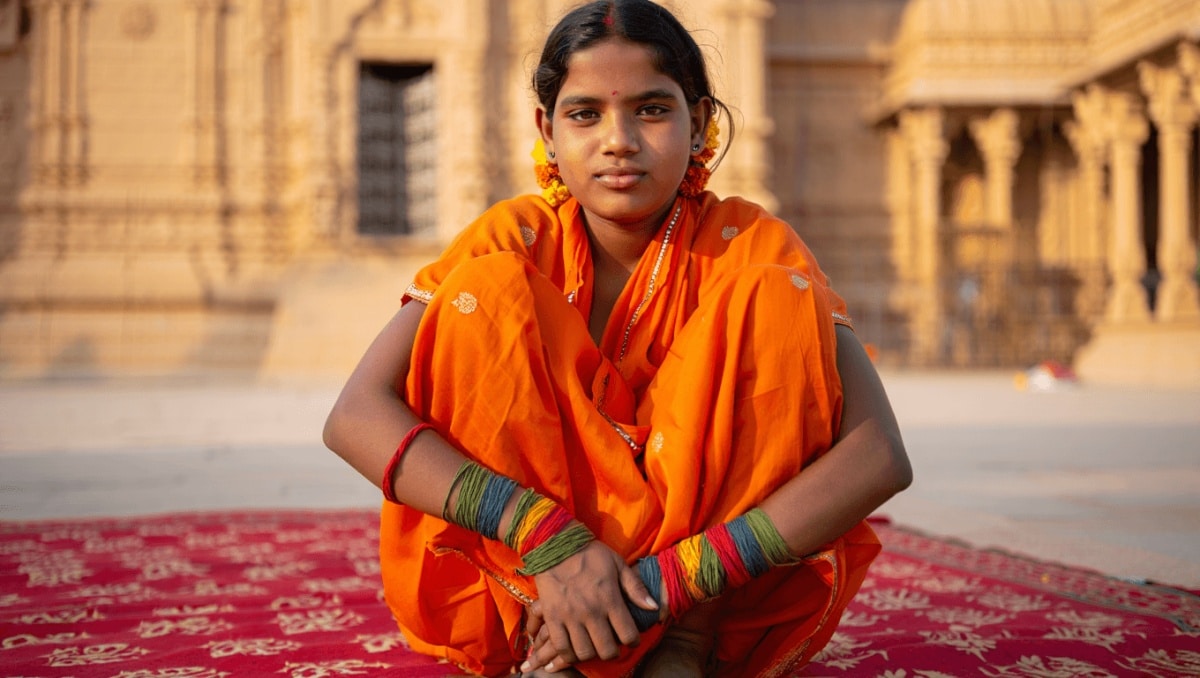
Across India, thin colored threads looped around wrists or tied at ceremonies continue to act as everyday markers of faith and identity. With renewed interest in astrology and personal rituals among younger generations, the meanings attached to particular hues—most notably yellow and red—are seeing renewed attention and practical use.
These pieces of cord, often referred to as sacred threads, carry layered significance that blends religion, astrology and local custom. Their origins are varied and local practices differ: for some communities a thread is a household talisman; for others it is a visible sign used in rites of passage or marriage rituals.
What the common colors are said to mean
- Yellow: Widely connected with Lord Vishnu in many traditions and astrologically linked to Jupiter, yellow threads are thought to represent learning, growth and good fortune. Wearers often describe feeling more confident, creative or clear‑headed.
- Red: Associated with Mars, red is traditionally tied to strength, courage and vitality. It is commonly worn on both hands and regarded by many as a protective, energizing symbol.
- Other hues: Across regions, colors may be chosen to symbolize things like health, financial well‑being or protection; those associations vary by community and family practice.
Shah Rukh Khan used the name Abinav to ease in-law worries: Gauri adopted Ayesha during nikaah
Javed Akhtar hails Hindu festivals as cultural glue: throwback of atheist celebrating resurfaces
In several communities brides may wear colored threads as part of marriage observances, praying for the health and longevity of their partners, while families often bind threads during puja (worship) and other rituals. The act of tying or retying a thread marks belonging and continuity more than it does a single doctrine.
Everyday use and contemporary relevance
Wearing a colored thread is no longer limited to temple courtyards. Many people choose to keep these threads on day to day as a personal reminder of values, a protective charm, or a small spiritual practice—especially younger adults exploring astrology and wellness alongside secular life.
That crossover matters for several reasons. It signals how tradition adapts to modern routines, influences small consumer markets for ritual items and jewelry, and shapes how personal belief is displayed in public life. For workplaces and social settings, the visible presence of such symbols can prompt conversations about cultural expression and accommodation.
What wearers say it does for them
- Provides a tangible connection to faith or family rituals.
- Acts as a mental cue for discipline, focus or prayer.
- Serves as a portable cultural identity marker in mixed or urban settings.
Viewed together, the persistence of these threads illustrates a broader cultural pattern: small, everyday objects can carry powerful symbolic weight and continue to link past practices with present concerns. Whether worn for tradition, comfort or identity, these colored cords remain a meaningful thread in contemporary life.