
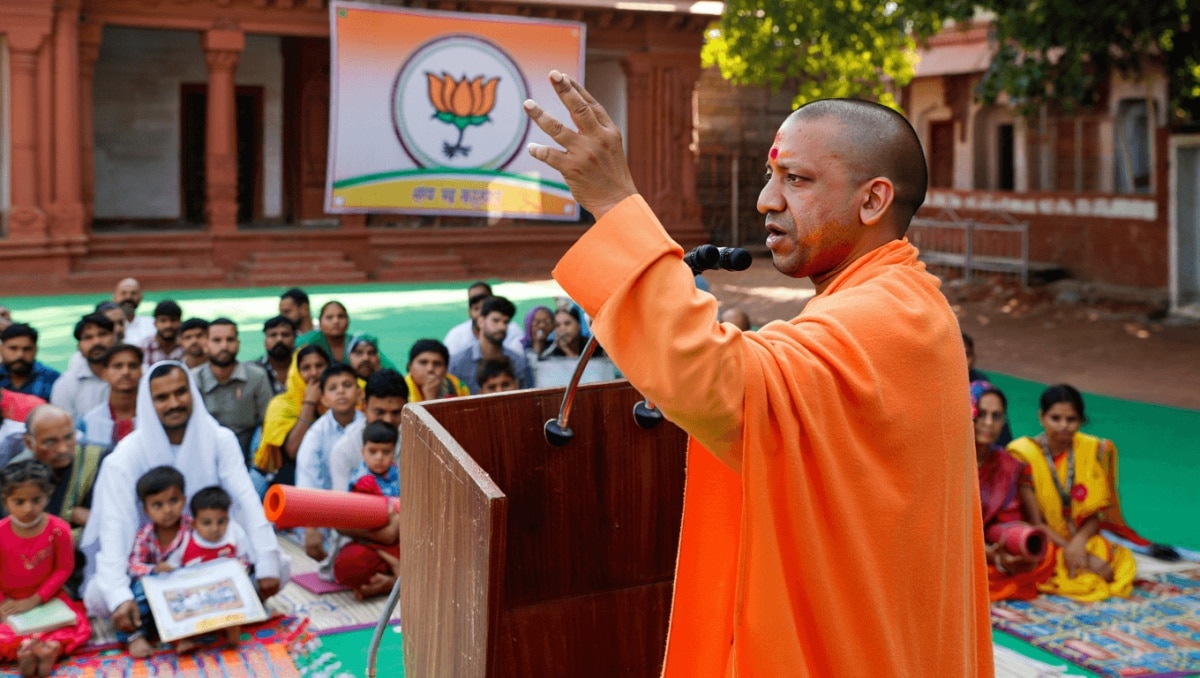
Speaking at a religious assembly in Jalore, Rajasthan, Chief Minister Yogi Adityanath urged parents to keep smartphones out of young children’s hands, arguing that heavy device use is harming youngsters’ well‑being and social habits. He framed the issue as part of a broader appeal for discipline, family time and cultural continuity, linking digital addiction to wider social and moral concerns.
Addressing a dharmsabha at the Shri Ratneshwar Mahadev Temple, the CM told parents — particularly mothers — not to give phones to small children even if they cry, saying temporary discomfort was preferable to long‑term harm. He warned that prolonged use of mobile devices can damage eyesight, reduce concentration and blunt critical thinking, and said such patterns were contributing to a rise in depression and suicides among youth.
Yogi Adityanath recommended that time spent on screens be redirected toward reading, physical exercise and yoga, arguing these activities foster a more disciplined and meaningful daily routine. He described the compulsive use of phones as akin to an addiction and cautioned that some mobile games steer children in harmful directions.
Shah Rukh Khan used the name Abinav to ease in-law worries: Gauri adopted Ayesha during nikaah
Javed Akhtar hails Hindu festivals as cultural glue: throwback of atheist celebrating resurfaces
The CM also spoke directly to young people, urging them to make time for family life and to feel comfortable ignoring calls during meals or prayer. On handling setbacks, he advised identifying causes of failure and using those lessons to pursue success rather than becoming demoralised.
- Smartphone habits: Reduce unsupervised device use for young children; encourage reading, exercise and structured activities.
- Mental health: Recognise screen overuse as a potential contributor to anxiety and depression and watch for warning signs in adolescents.
- Family routines: Reinstate boundaries such as phone‑free meals and prayer times to strengthen interpersonal bonds.
Beyond technology, the CM returned repeatedly to themes of national cohesion and cultural heritage. He praised religious institutions for preserving spiritual traditions and providing services in health and education, and argued that religion can act as a unifying force while casteism and other social divisions weaken communal harmony.
In a wider political sweep, he credited current leadership with working to unite the country and tackle longstanding security challenges, contrasting that approach with what he described as earlier governments’ tendencies to foster division along caste, regional and linguistic lines. He stressed that faith and shared values are central to India’s identity and must be protected by eliminating social evils such as caste discrimination, untouchability, dowry, child marriage and substance abuse.
Warning about external influences, Yogi Adityanath accused adversaries of attempting to ensnare young Indians through drugs and other vices. He framed national strength as depending on a united youth and argued that internal unity would prevent foreign domination — a historical point he used to underscore the stakes of social cohesion today.
What the remarks mean for readers: parents and educators may face renewed public debate over screen time rules and digital parenting; community leaders and policymakers could see pressure to expand youth outreach, mental health support and substance‑abuse prevention; and religious and civic groups may be urged to step up engagement in education and welfare.
Whether one agrees with his assessments about causes or remedies, the CM’s comments are a reminder that debate over technology, youth welfare and national unity remains high on India’s public agenda — and likely to shape conversations in households and policy circles in the weeks ahead.