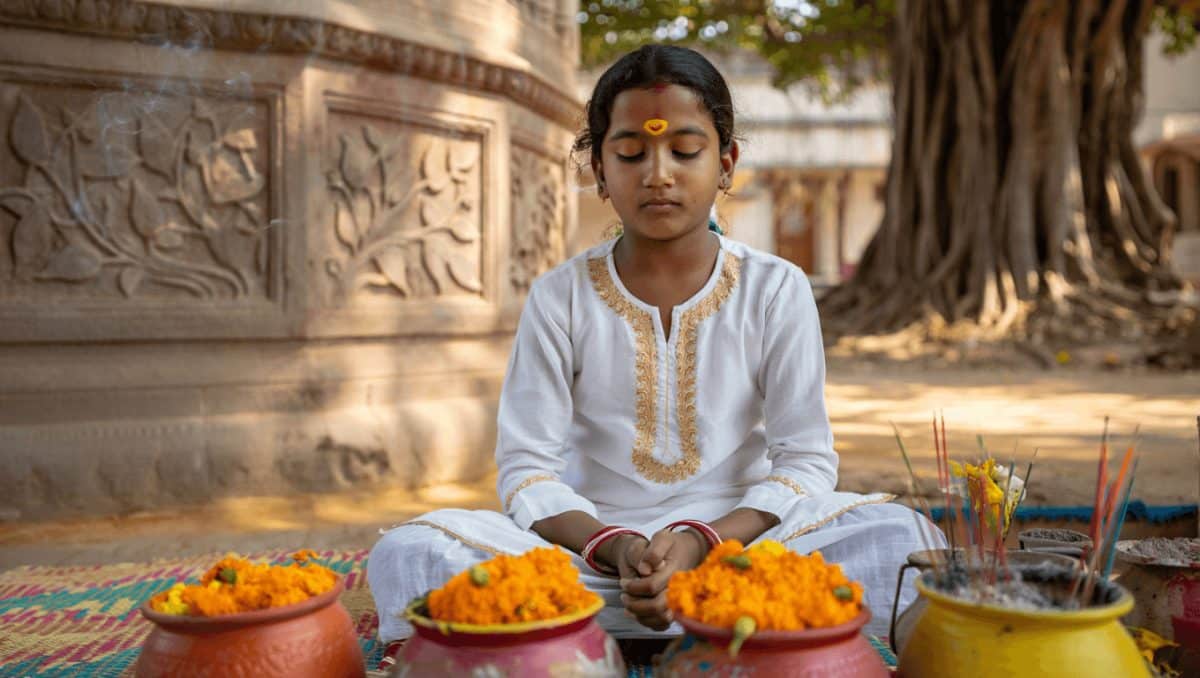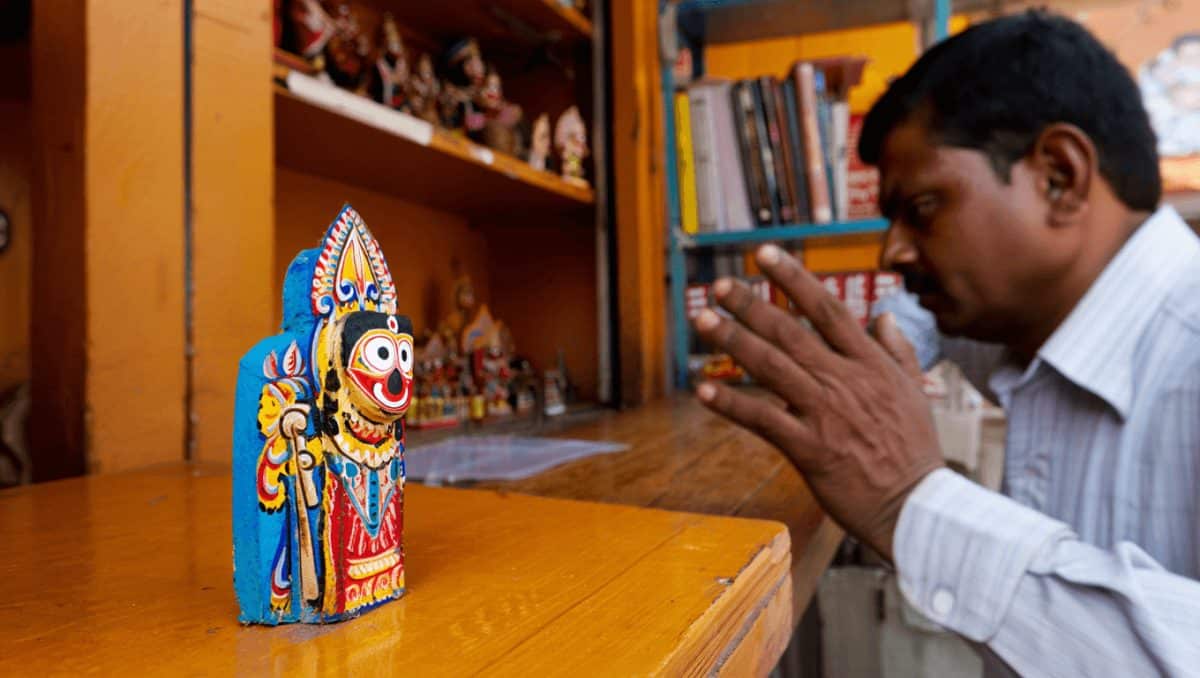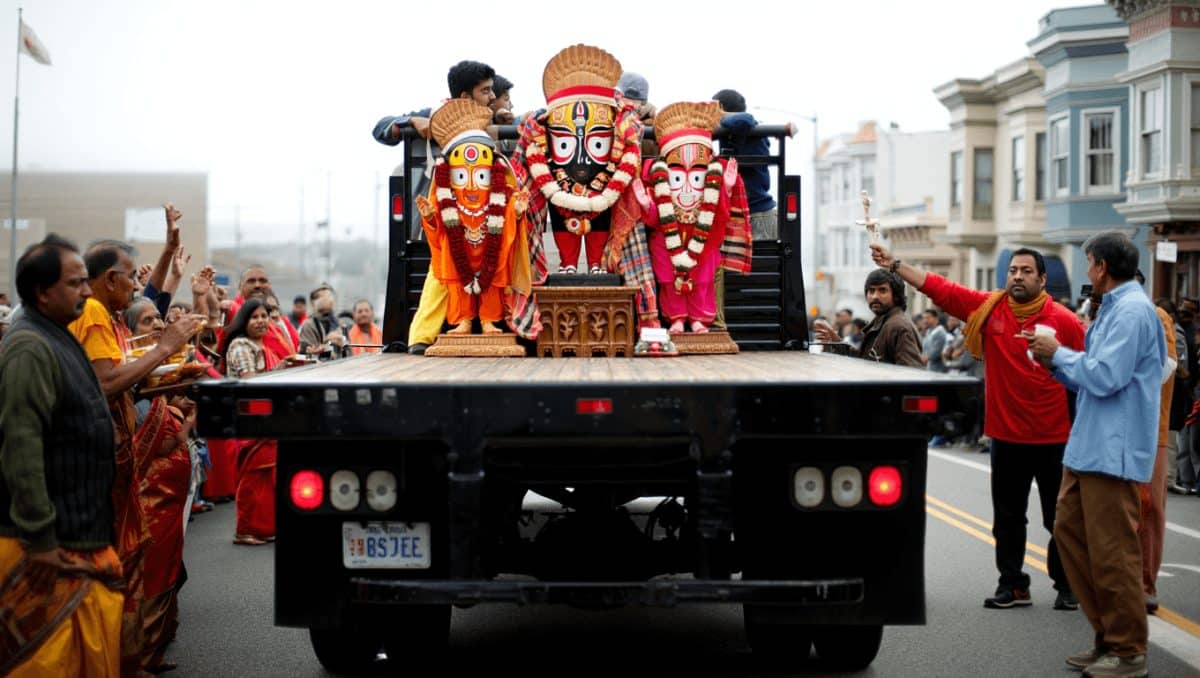

As modern life rewards quick gains and constant consumption, an ancient framework from Hindu thought offers a counterpoint: four life aims that map different kinds of wellbeing and purpose. Understanding these goals—how they relate and why many people confuse means for ends—helps explain contemporary tensions between material success and lasting fulfilment.
In classical accounts attributed to Sri Swami Chandrashekarendra Saraswati, human life is directed toward four aims known as the purusarthas. Each addresses a different human need: ethical duty, material resources, sensual enjoyment and final liberation. Taken together, they form a practical ethics for living, but they also set priorities that determine whether a life drifts toward temporary pleasure or toward deeper freedom.
The four aims, in brief:
Shah Rukh Khan used the name Abinav to ease in-law worries: Gauri adopted Ayesha during nikaah
Javed Akhtar hails Hindu festivals as cultural glue: throwback of atheist celebrating resurfaces
- dharma — ethical conduct and social duty; the rules and practices that sustain a moral life.
- artha — material means and wealth; the resources required to live and to support dharmic action.
- kama — desire and sensory pleasure; the satisfactions that make life enjoyable but are inherently transient.
- moksha — liberation or release from attachment; an enduring state of spiritual freedom and bliss.
Classical texts draw a clear distinction between two kinds of happiness: fleeting pleasures tied to circumstance, and an abiding fulfilment that is not diminished by time or change. Kama belongs to the first category—joys of food, recognition, comfort—while moksha belongs to the second. The argument is practical rather than metaphysical: most people pursue the easy, visible rewards of desire and possessions; fewer aim for the enduring peace that religious disciplines promise.
Important here is the role of artha. Material goods are not cast as evil in themselves but as instruments: they make possible both pleasure and charitable action. Acquiring wealth responsibly can support family, community, and the practice of dharma. In that sense, artha is a means, not the ultimate goal. When wealth is sought only for personal gratification, it feeds unending craving and undermines higher aims.
Religion, in this framing, operates as a staged education in desire. It first teaches the meaning and practice of right conduct; next it shows how to earn and use resources correctly; then it offers guidance on ordering and satisfying desires without losing sight of larger aims. Over time that guidance is meant to shift priorities away from short-term rewards toward long-term freedom.
Many classical passages use the metaphor of bondage to describe ordinary life: the body and its attachments are treated like a temporary confinement. From that viewpoint, ethical living shortens the time spent entangled in consequences of past actions; selfless practice cleanses the inner life and opens the way to release. The claim is not simply ascetic: it proposes a moral logic linking conduct, consequence, and eventual spiritual liberation.
There are societal implications as well. When dharma is practiced widely—not only as private piety but as public ethos—it creates a social order oriented toward collective wellbeing and, ideally, the emancipation of all. For many thinkers within this tradition, the term dharma effectively comes to mean the religious and ethical project that aims at liberation rather than mere ritual observance.
Why this matters now: rapid consumerism, social media validation and short attention spans make the trade-offs between immediate gratification and lasting contentment more visible. Revisiting the purusarthas prompts practical questions: are our institutions structured to support ethical use of resources? Do our cultural narratives encourage the pursuit of deeper fulfilment, or do they amplify desire as an end in itself?
Key takeaways:
- Distinguish means from ends: wealth and pleasure can support higher aims but easily become self-perpetuating goals.
- Ethical practice is both social and personal: it secures material benefits and, when genuine, purifies the mind.
- Religious practice is presented as progressive training—reordering priorities rather than simply rejecting the world.
- Moksha, or liberation, remains the ultimate aim in this tradition: a state of freedom from attachment rather than a transient feeling.
Seen through this lens, the ancient schema is not an abstract doctrine but a practical checklist for anyone trying to balance resources, responsibilities and long-term wellbeing in an era of constant distraction.