Show summary Hide summary
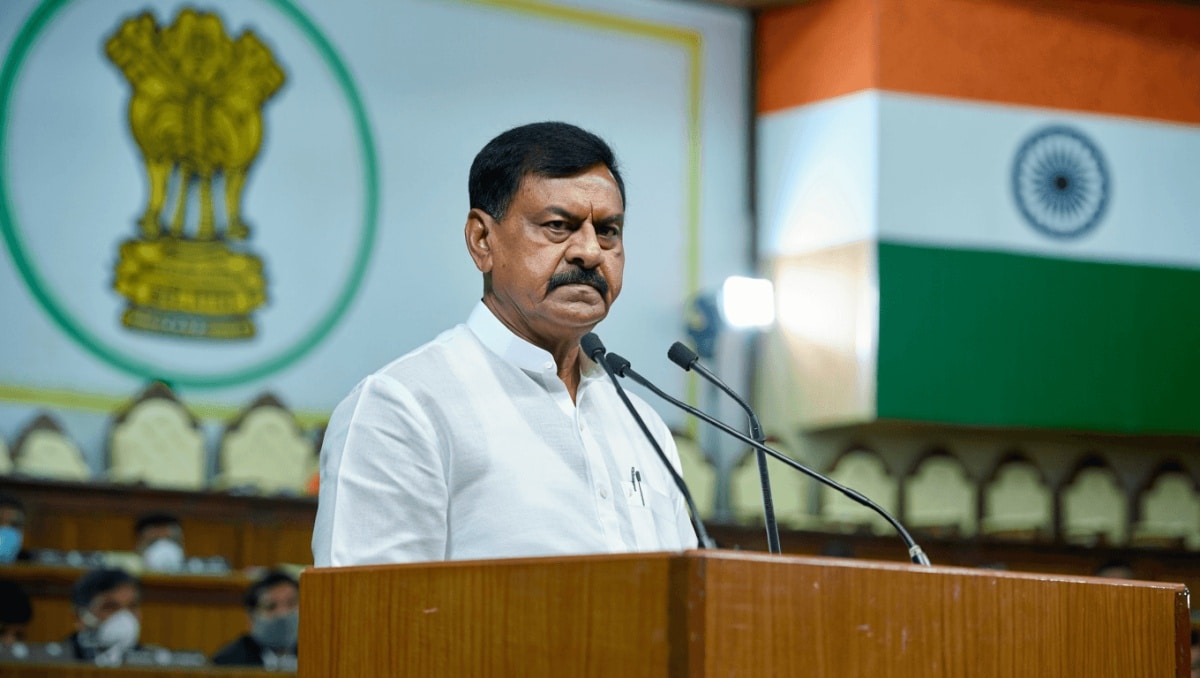
Chhattisgarh Chief Minister Vishnu Deo Sai on Sunday publicly accused several opposition parties of failing women by opposing the Nari Shakti Vandan Bill, a move he said affects nearly 70 crore women nationwide. His comments turn the spotlight on a contentious parliamentary debate with clear political stakes ahead of future elections.
What the chief minister argued
Kashi to Kedarnath costs revealed: how much a Sawan pilgrimage will set you back
Hinduism gains ground in Africa: new communities reshape culture and commerce
Speaking from the BJP state office in Raipur, Sai named the Congress, Samajwadi Party and Trinamool Congress as opponents of the bill and framed their stance as a disappointment to women across India. He portrayed women as central to Indian cultural values and said the legislation was intended to recognise and empower them.
Sai accused the opposition of using procedural issues — including concerns over delimitation — as a pretext to stall the bill for electoral advantage. He warned such tactics could prompt voter backlash in coming polls.
State record and welfare measures cited
To underline his point, Sai highlighted Chhattisgarh’s track record on women’s political participation and welfare programs. He noted that his government has implemented reservation measures and pointed to recent administrative efforts that, he said, expand support for women.
- Local representation: Chhattisgarh provides 50 percent reservation for women in the Panchayati Raj system; women hold about 57 percent of panchayat seats, according to the chief minister.
- Assembly presence: Women represent roughly 21–22 percent of the state legislative assembly, Sai added.
- Welfare schemes cited: Pradhan Mantri Awas Yojana, ration distribution initiatives and the Pradhan Mantri Ujjwala Yojana were listed as examples of government programs aimed at improving women’s welfare.
- Political appointments: Sai referred to the election of Laxmi Verma as part of efforts to boost female participation in politics.
These claims were reiterated by BJP national general secretary Arun Singh, who accompanied the chief minister and warned that opposition resistance to the bill would be remembered negatively by voters.
Why this matters now
The debate touches on two core issues: the legislative path for a bill framed as enhancing women’s recognition and the political calculations parties make ahead of elections. With the government and opposition trading accusations, the dispute could shape public opinion on governance and gender policy.
For readers, the practical implications are straightforward: if enacted, the proposed law would be presented as benefiting a large demographic; if delayed, parties on either side may use the impasse to mobilise supporters. Observers will be watching whether procedural objections translate into substantive policy changes or simply become campaign material.
Independent verification of the bill’s provisions and the precise reasons cited by opposition parties for their stance remains necessary for a full assessment. Until then, the clash in Raipur adds another chapter to an ongoing national conversation about women’s representation and political strategy.