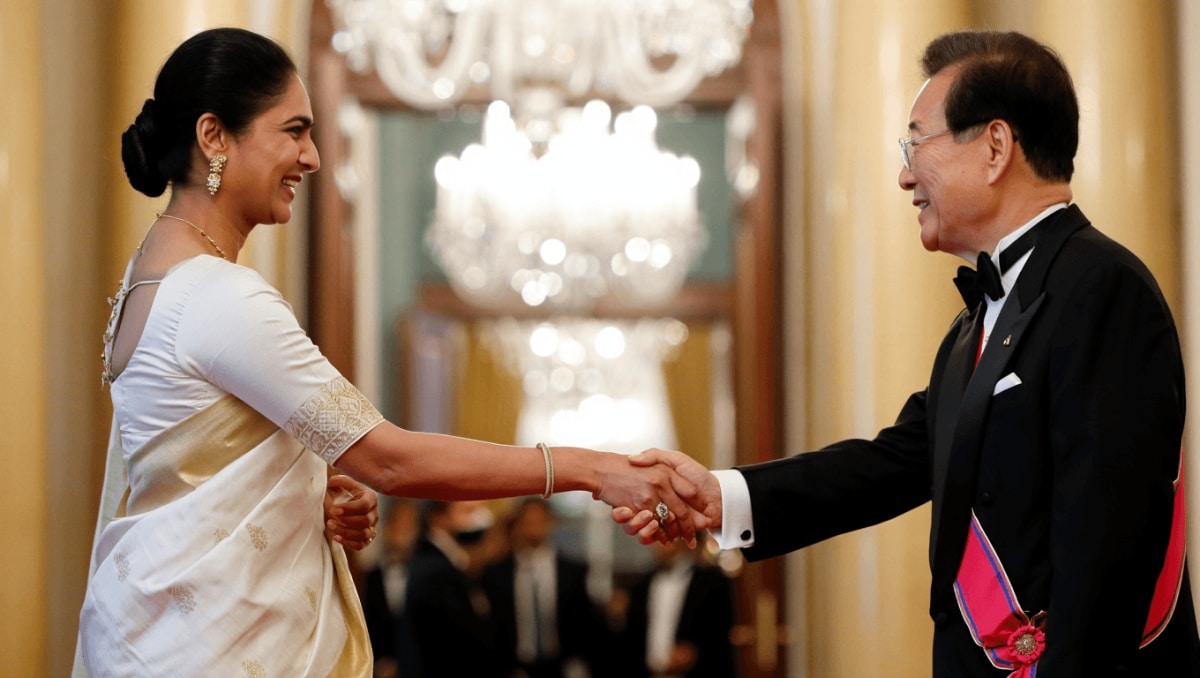
Priyanka Mohan, the lead of the film Made in Korea, was among the guests at a state dinner hosted at Rashtrapati Bhavan on April 22, 2026, as India welcomed South Korean President Lee Jae‑myung. Her presence at the presidential reception signaled more than a celebrity appearance — it highlighted cinema’s growing role in cultural diplomacy between the two nations.
The dinner, hosted by President Droupadi Murmu, brought together government officials, diplomats and cultural figures from both countries. Invitations extended to film personalities underscored the event’s aim to celebrate shared cultural ties alongside formal bilateral talks.
Mohan’s invitation was widely read as recognition of her film’s international reach and the attention it has drawn beyond Indian screens. She posted a message after the event expressing gratitude to the hosts and describing the evening as a memorable honor — a personal milestone that also reflects how film can open diplomatic doors.
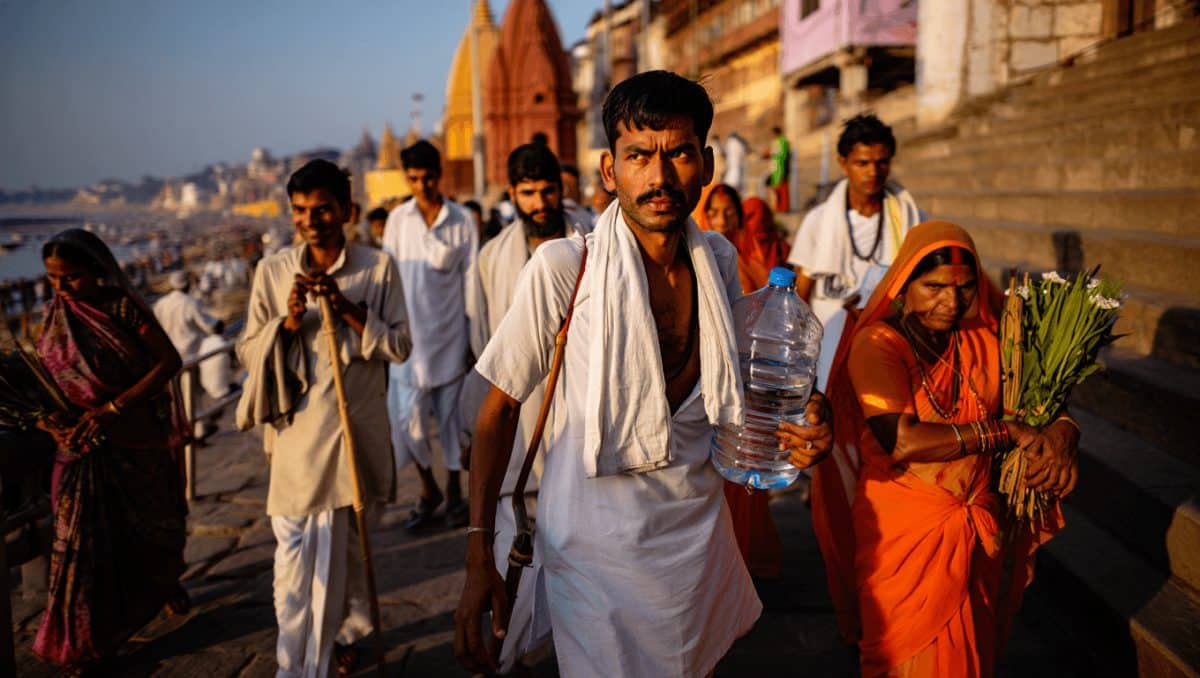
Kashi to Kedarnath costs revealed: how much a Sawan pilgrimage will set you back
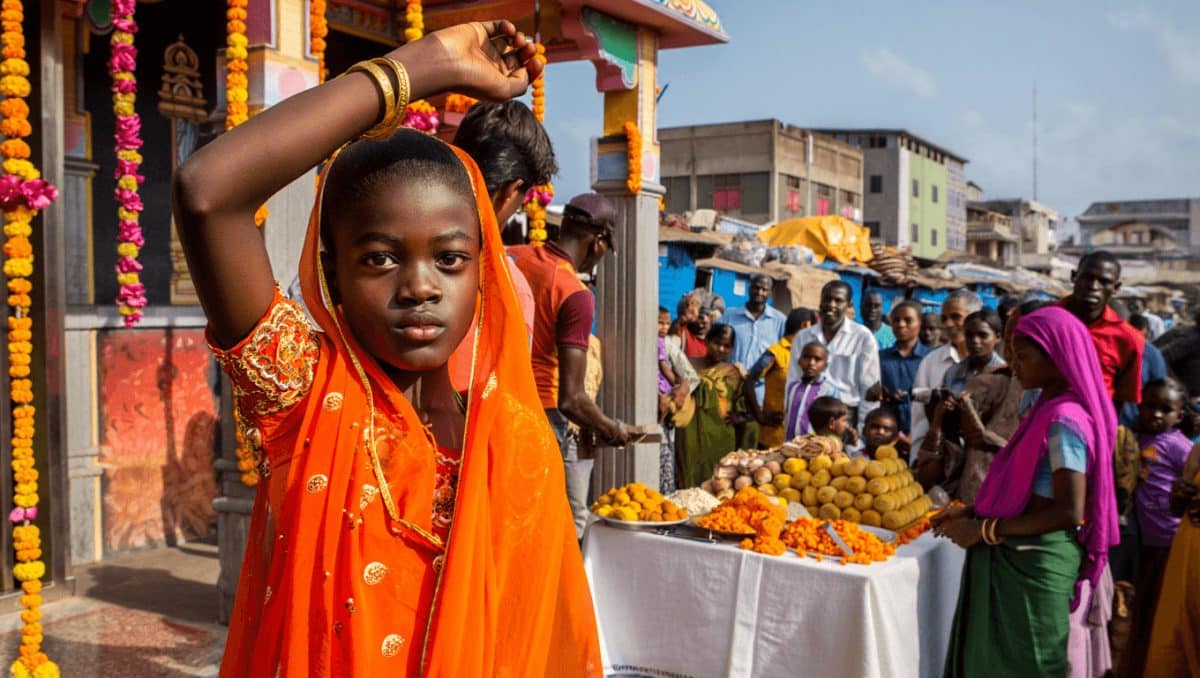
Hinduism gains ground in Africa: new communities reshape culture and commerce
Why this matters now: cross-border cultural exchange is increasingly part of diplomatic agendas, and high-profile visibility for filmmakers can translate into greater access for Indian projects in foreign markets, from festival slots to streaming platform interest. For a film industry watching new export opportunities, moments like this have practical consequences.
Key facts at a glance:
- Event: State dinner at Rashtrapati Bhavan (April 22, 2026)
- Hosts: President Droupadi Murmu and visiting President Lee Jae‑myung
- Guest: Actress Priyanka Mohan, star of Made in Korea
- Significance: Recognition of the film’s international visibility and cultural impact
Beyond the symbolism, practical outcomes can follow. Filmmakers invited to diplomatic events often gain increased media attention, which can boost viewership and open doors to co‑production discussions. For Indian cinema, sustained engagement with South Korea — a country with its own influential film and TV industries — may encourage collaboration and exchange at multiple levels.
Mohan’s reception at the presidential residence was concise but meaningful: photographs and social posts circulated quickly, and the moment was framed in public commentary as a welcome spotlight on Indian storytelling. Whether this will lead to concrete partnerships or new distribution avenues remains to be seen, but it adds to a pattern where soft power and art increasingly intersect with formal diplomacy.
The evening closed as a cultural as well as political gesture — a reminder that films and the people who make them can play a visible, sometimes catalytic, role in international relations.