Show summary Hide summary
As more people balance busy lives with a search for steady meaning, home shrines have become a practical refuge for spiritual practice in 2026. Creating a small sacred corner — whether to preserve culture, sharpen daily focus, or simply slow down — can be done with modest space and intention.
Long before modern science and ritual separated into different spheres, South Asian traditions often blended curiosity about the world with methods for inner development. A household altar continues that dual legacy: a place for contemplation that also reinforces routine, connection and care in everyday life.
Five practical steps to set up a home shrine
This is a straightforward, adaptable approach you can tailor to apartment living, a family house, or a compact studio. The emphasis is on respect and regular use, not on grandeur.
May 2026 spiritual forecast: daily shifts and key dates to watch
Hindu mandir at home: quick guide to creating a sacred prayer corner
- Location — Choose a quiet corner away from bathrooms or utility zones; northeast corners are traditionally preferred but practicality wins.
- Altar design — Natural materials and a stable base create calm; a simple table will do if custom woodwork isn’t possible.
- Icons and images — Place your chosen representations of the Divine centrally; photos or paintings are acceptable substitutes for carved icons.
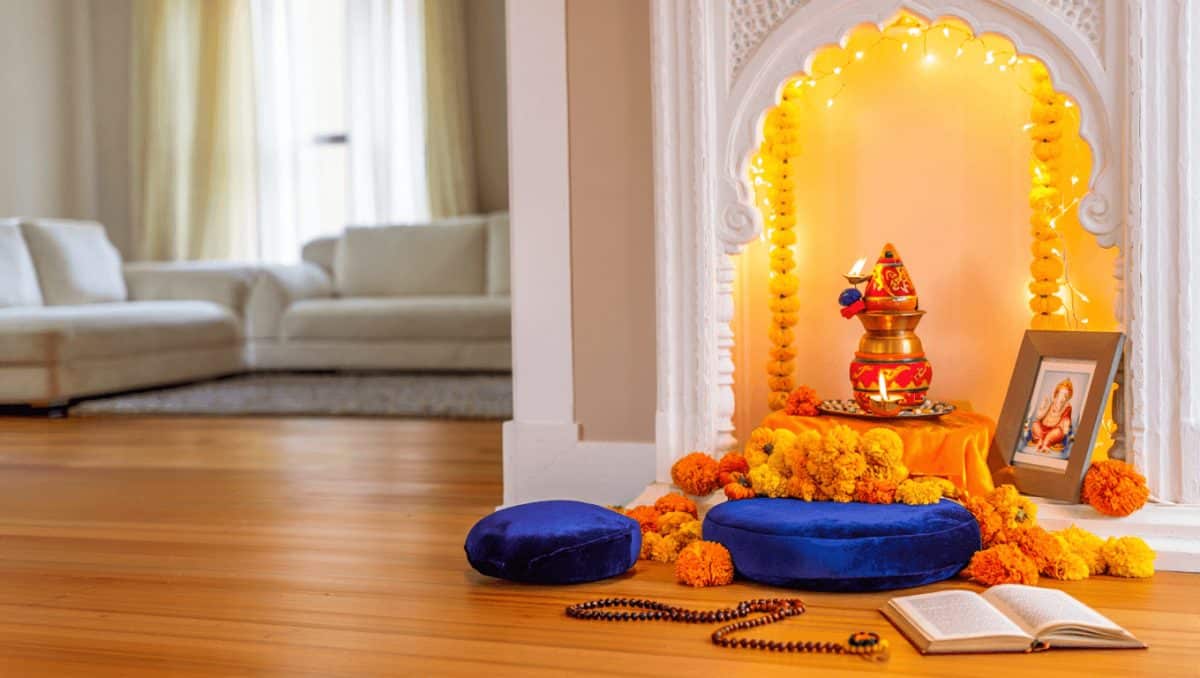
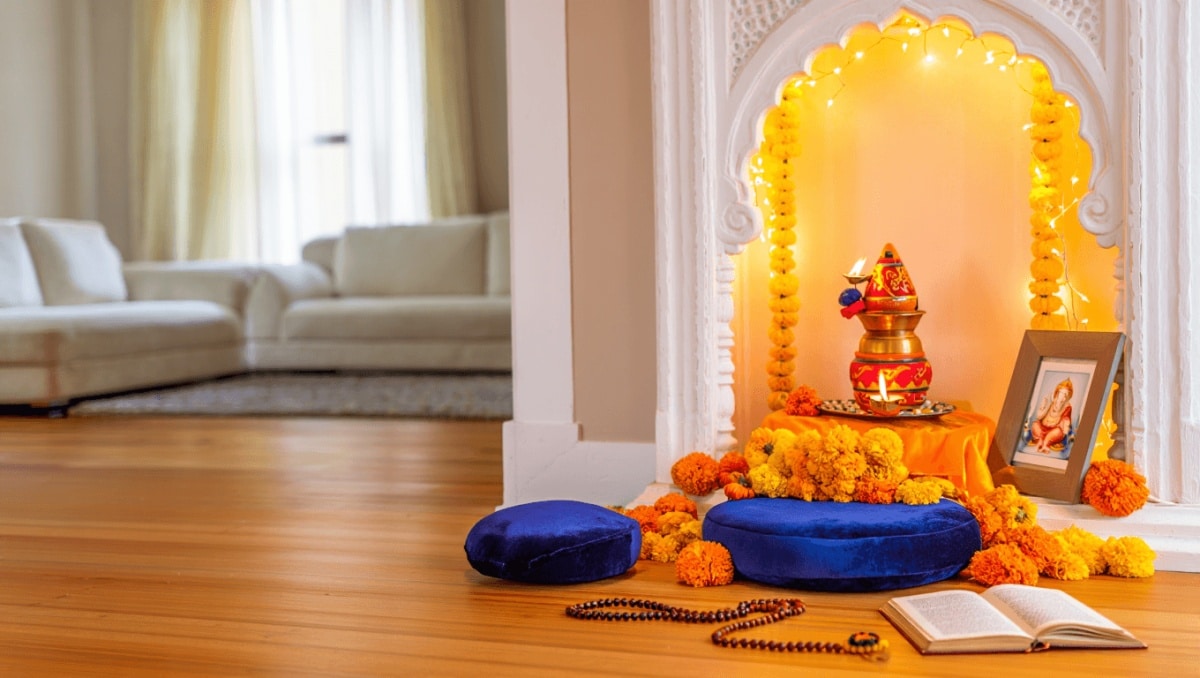
- Atmosphere — Soft lighting, tidy textiles and uplifting colors cultivate a peaceful environment conducive to prayer or meditation.
- Ritual and upkeep — Small, regular offerings and weekly cleaning keep the space alive; even brief, sincere gestures matter.
1) Where to place it
Practical considerations should guide your choice. If you can orient the shrine so you face east while sitting, that aligns with many traditional prescriptions. Still, the overriding rule is dignity: it should feel separate from high-traffic or unsanitary areas.
For many urban dwellers, a corner of the living room, a shelf above eye level, or the top of a wardrobe becomes a protected niche. Even a curtained alcove or a small screened section can create the sense of withdrawal from the ordinary.
2) Designing an altar that works
Traditional altars often include a base, storage below, supports and a crowning element symbolizing spiritual ascent. You do not need that full architecture to make the space effective.
Materials send messages: wood often feels warm, stone suggests permanence, and simple marble or ceramic can read as clean and focused. If budget or space is limited, a covered box, a neat tray, or a reclaimed tabletop will serve just as well.
3) Selecting and arranging icons
Religious images — whether carved icons, paintings, or photographs of teachers — function as focal points that help practitioners direct attention. Theological debates about images are longstanding, but in household practice these objects are tools for relationship rather than literal containers of divinity.
Place your primary image or icon in the center; arrange smaller items symmetrically or in a balanced cluster. Keep everything at or above eye level when seated, and consider a light curtain or respectful covering when the shrine is not in use.
4) Setting the right ambience
Mental clarity is sensitive to sensory cues. Soft lamps, a modest rug and comfortable floor cushions make it easier to sit down and stay. Colors such as whites, creams and gentle yellows often support a tranquil mood.
Small additions can shift tone: incense or a subtle oil diffuser, a bowl of fresh flowers, patterned rangoli or a framed mantra. Keep the arrangement tidy; clutter undermines the very calm you are trying to encourage.
5) Make it a living practice
The difference between a shrine and a living spiritual center is repetition. Whether you can spare five minutes a day or a longer slot weekly, a routine anchors the space in domestic life.
Traditional home rites — commonly called puja — range from elaborate ceremonies to a brief offering of water, a flower, or a short chant. Texts and teachers note that sincerity matters far more than complexity: a simple, heartfelt gesture is meaningful.
| Element | Why it matters | Quick tip |
|---|---|---|
| Location | Sets the tone for respect and privacy | Choose a corner that feels calm and uncluttered |
| Altar | Provides a stable, visible focus for practice | Use natural materials where possible; height at eye level is helpful |
| Icons / Images | Help direct attention and foster a sense of relationship | Center the main image; include a teacher’s photo if you have one |
| Ambience | Encourages regular use and mental calm | Soft lighting and a clean cloth or rug make an immediate difference |
| Practice | Transforms a space into a living part of daily life | Start with brief, consistent offerings — a cup of water or a flower |
Designing a home shrine is as much about habit as it is about objects. A modest investment of time — and a willingness to keep the area cared for — yields benefits for focus, family ritual and cultural continuity.
In the end, the most essential ingredient is intention. Whether you call the space a mandir, a devotional corner, or simply a quiet altar, treating it with regular attention will make it a shelter for whatever spiritual purpose you seek in 2026 and beyond.