Show summary Hide summary
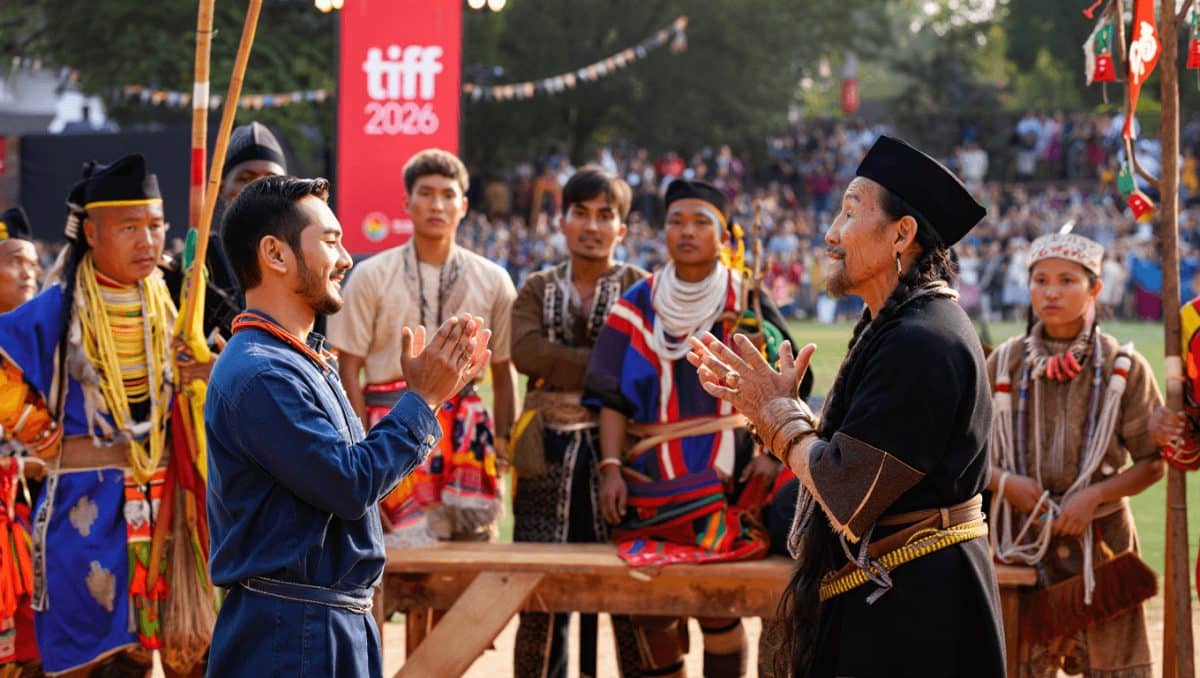
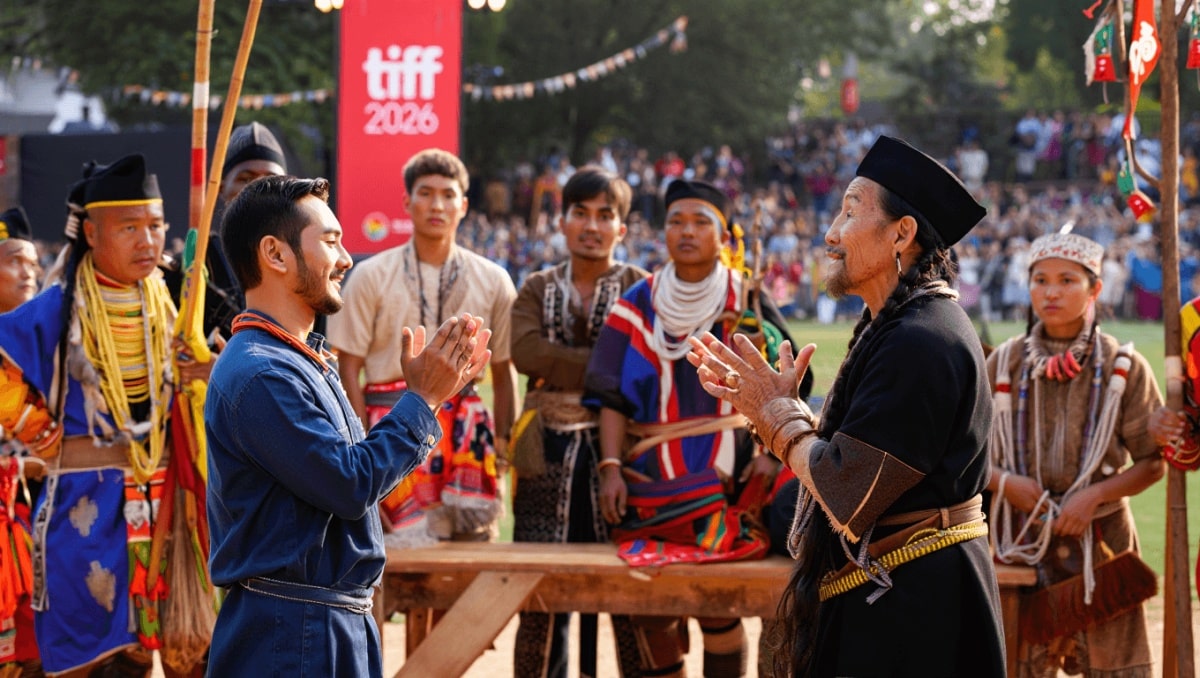
At TIFF 2026, the debut feature Angh drew attention not merely as a newcomer on the festival slate but as a film that connects global collaborators with the local histories of Nagaland. Its presence in Toronto matters because it signals growing interest in stories from India’s Northeast and shows how international partnerships can be grounded in cultural specificity.
Collaboration without erasure
Filmmakers and critics at the festival highlighted how Angh assembled an international creative team while maintaining strong ties to the region’s traditions and historical memory. Rather than smoothing local detail to suit foreign tastes, the project reportedly foregrounded local voices in research, casting and design—an approach that festival programmers increasingly prize.
Nataraja symbolism decoded: why Shiva’s cosmic dance matters now
Astrology: 9 mantras to try today for money and everyday problems
That balance is not automatic. Cross-border crews can bring technical expertise and access to markets, but they also face the challenge of preserving linguistic and ritual authenticity. The response at TIFF suggested that Angh managed that tension in ways that felt deliberate and respectful.
What this means for representation
For audiences and industry watchers, the film’s visibility raises practical and symbolic stakes. Practically, festival exposure can unlock distribution conversations, sales agent interest and future funding for filmmakers from underrepresented regions. Symbolically, Angh’s screening helps broaden the range of Indian stories on international platforms beyond familiar narratives centered on larger metropolitan centers.
- Broader awareness — It places Nagaland’s history and cultural practices into a wider conversation about indigenous storytelling.
- Industry pathways — A well-received debut can create openings for local crew and performers to work on international productions.
- Creative exchange — Collaboration can introduce new techniques and workflows while preserving traditional knowledge if handled collaboratively.
Festival recognition and the next steps
Reception at TIFF is only the start. The next phase for any debut is converting festival buzz into sustainable momentum: sales, distribution, and follow-up projects that keep talent engaged locally. If Angh secures wider release, it could influence commissioning decisions and funding priorities for films rooted in India’s Northeast.
Equally important is how local communities view such projects after the spotlight fades. Long-term cultural impact depends on whether collaborations leave lasting skills, fair economic returns and measurable cultural stewardship.
Why audiences should pay attention
Angh’s trajectory offers a snapshot of two broader shifts: film festivals diversifying their lineups and storytellers from historically overlooked regions finding platforms. For readers, that matters because it affects what films reach streaming services, what voices appear in international discourse, and how cultural histories are preserved on screen.
Whether you follow world cinema, industry trends, or cultural coverage, the film’s journey from Nagaland to TIFF is a development that could ripple across programming, funding and the kinds of stories global audiences see next season.