Show summary Hide summary
When a woman who left Kashmir as a child returned three decades later, she found a landscape of memory, religion and uneasy normality — and was left asking whether a full return is truly possible for the community that once called the Valley home. The short, four-day visit in February 2020 exposed how cultural ties have survived while questions about security, property and reconciliation remain unresolved.
A childhood interrupted
Amrita Kar remembers simple moments from her early years in the Kashmir Valley — snow on window sills, Sunday picnics and kites with her sister. Those everyday scenes were erased by a wave of violence and intimidation that, by many accounts, forced more than 350,000 members of the Hindu Kashmiri Pandits to flee between 1989 and 1991.
Sankalpa 2027: a simple spiritual pledge to reset your year
Vegan diet gets dharmic and animal-welfare backing from producer Nirva Patel

Families left amid threats, attacks on homes and places of worship, and a collapse in public safety. The exodus reshaped Kashmiri society and created a large diaspora now scattered across India and overseas.
The return trip, February 2020
Invited by the Kashmiri Overseas Association, where she serves as secretary, Kar flew to Srinagar on February 9, 2020. Traveling with KOA leadership, she spent four days retracing familiar routes and visiting religious sites, marketplaces and mountain towns.
The timing mattered: the trip happened days before national attention would shift globally with the arrival of the COVID-19 pandemic, which curtailed travel and any immediate follow-up visits.
Scenes from the Valley
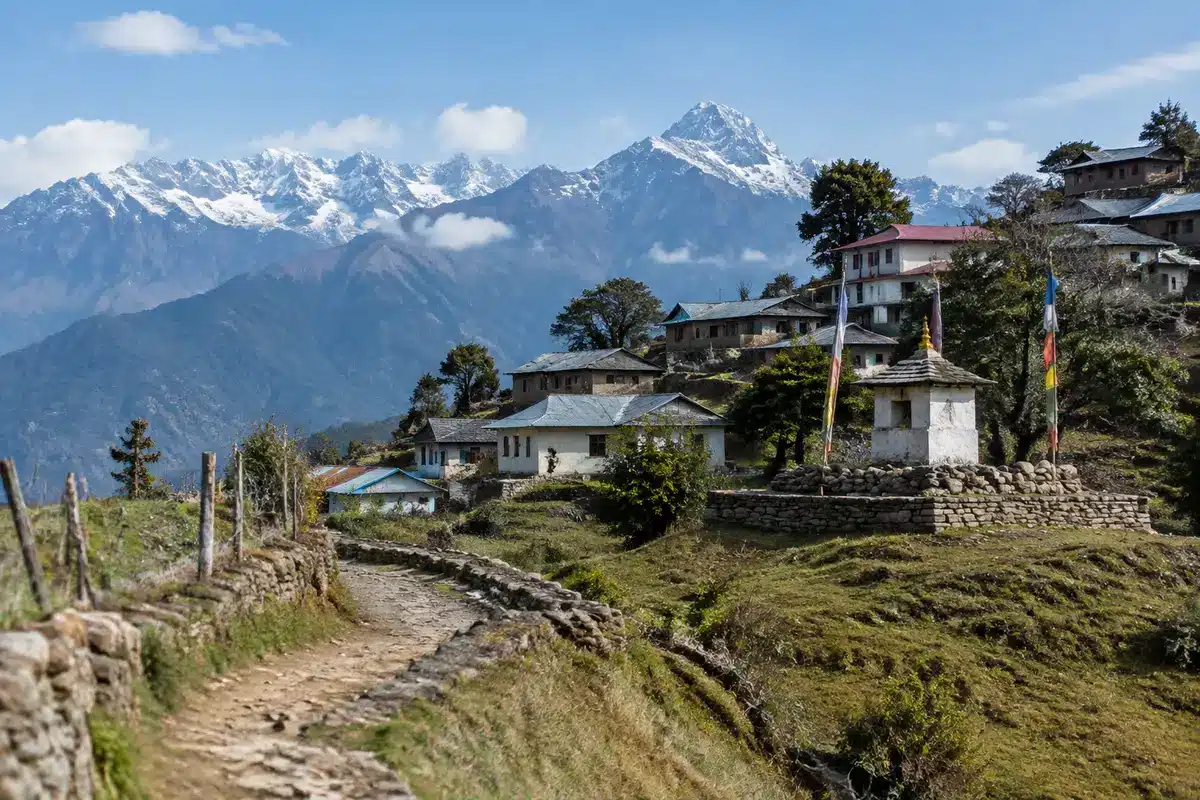
Kar stayed at a Srinagar hotel that opens onto a range of snow-capped peaks. She visited the Kheer Bhawani shrine in Tulla Mulla, where a spring revered by devotees showed a dark red tint on the day she arrived — a sign many worshippers interpret as inauspicious.
At the shrine, and later at the Hazratbal Shrine on Dal Lake’s northern shore, Kar noticed both continuity and constraint: religious practices continue, but ceremonies and access are shaped by local sensitivities and security arrangements.
On a hillside in Gulmarg, conversations with local residents suggested a mixture of openness and complication. One man told Kar that Pandits were welcome to return and even offered to sell land; the exchange underscored how property and practicalities — not only sentiment — will determine any meaningful resettlement.
Small moments, persistent unease
Some encounters were warm and ordinary — shopping from houseboats on Dal Lake, buying a sari, sharing tea around a bukhari heater. Others rekindled old anxieties: loudspeaker prayers near a Hindu shrine felt jarring to Kar, and she heard from officials about the continued presence of security forces tasked with intercepting militants believed to cross the Line of Control.

By the end of the visit, Kar had considered moving back but remained unconvinced that adequate protection and guarantees exist for minority returnees. “There is no rule that says that if you’re a Hindu and you’re in Kashmir, you’ll get some security,” she said, worried militants might “target you to make a point.”
What the visit revealed
- Religious life persists: Hindu and Muslim sites continue to draw worshippers and maintain ritual traditions.
- Security remains central: Visible security measures and officials’ comments underline ongoing concerns about militancy and border infiltration.
- Property and possession are complicated: Many former Pandit homes are now occupied, and practical pathways for restitution are unclear.
- Local attitudes are mixed: Individual residents expressed hospitality, yet systemic trust and institutional guarantees are missing for many returnees.
- Timing shaped perception: The trip occurred just before the pandemic, which limited longer-term engagement and follow-up visits.
Why this matters now
The story is not only about one visitor’s emotional journey. It speaks to larger, unresolved questions about minority return, property rights and reconciliation in contested regions. For policymakers, civil society and diaspora groups, the challenge is practical as well as symbolic: how to translate goodwill and heritage preservation into safe, enforceable pathways for those who want to resettle.
For readers beyond Kashmir, the visit offers a reminder that displacement leaves layered legacies — enduring cultural connections, persistent trauma and complex logistics — that take generations to address. The Valley’s current reality mixes everyday life with the memory of recent upheaval, and any sustainable solution will need to address security, legal restitution and the social trust that makes communities willing to return.
Kar’s trip did not close the door on return; it only underscored how many steps remain to be taken before that door can be opened with confidence.