Show summary Hide summary
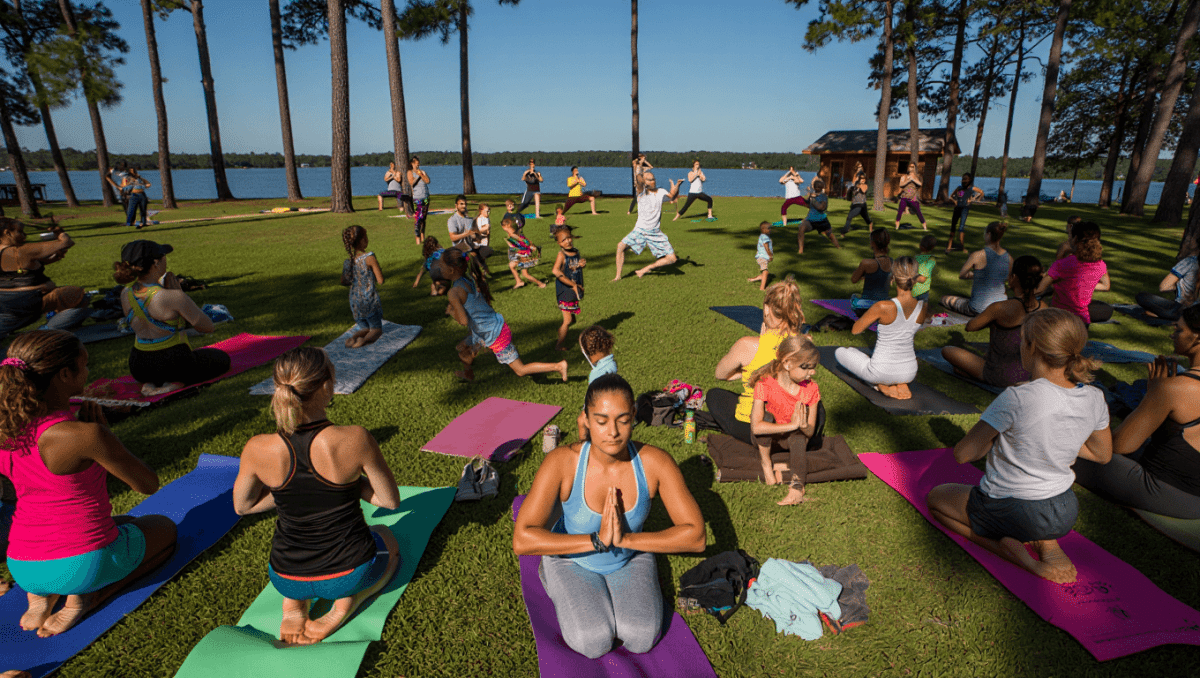
SVYASA Houston held its ninth annual yoga retreat April 24–26 at Camp Cho-Yeh near Lake Livingston, bringing together more than 50 participants for a weekend of practice, study and family activities. With growing interest in traditional wellness and mental-health tools, the gathering offered practical techniques and philosophical context that many attendees said felt immediately relevant.
The program mixed movement, breath work and textual study, framed around classical yogic teachings and contemporary wellness approaches.
Weekend highlights
- Textual study: Professor Jayaraman Mahadevan led close readings of passages from the Chandogya and Katha Upanishads, tracing themes that inform modern yogic practice and inner discipline.
- Traditional medicine: Dr. Sonal Gupta presented sessions on Ayurveda, focusing on everyday applications and lifestyle adjustments participants could explore after the retreat.
- Practice sessions: Senior SVYASA instructors Vishwarupa Nanjundappa and Smitha Mallaiah guided integrated classes combining asana, meditation, breathing techniques and guided relaxation.
- Family programming: Structured activities for children ran alongside adult classes, making the weekend accessible to participants of varying ages and experience.
Annamalai applauds Bhagwat’s message on Muslim inclusion in India
Navratri in Times Square goes viral: social media splits over Indian celebrations abroad
Mahadevan’s classroom-style talks emphasized how the Upanishadic texts shape the philosophical backbone of many yogic methods, helping practitioners link physical routines with purposeful sadhana. Sessions unpacked short passages, translating dense ideas into practical reflections for daily life.
Dr. Gupta’s Ayurveda workshops examined dietary and sleep patterns, as well as seasonal adjustments—topics that generated lively questions and practical takeaways. Participants reported particular interest in simple routines to support energy and digestion.
The retreat’s movement and breathwork sequences were intentionally varied: some classes emphasized alignment and strength, others focused on breath control and meditative stillness. Instructors balanced active practice with periods of guided reflection and relaxation.
The natural setting at Camp Cho-Yeh played a clear role in the weekend’s tone. Organizers said the wooded environment and lakeside views helped create a quieter atmosphere for study and personal reflection, and many attendees cited nature as a catalyst for deeper engagement.
Why this matters now
Interest in holistic wellness—combining philosophy, clinical traditions like Ayurveda, and accessible breathing or meditation techniques—has grown as more people look for non-pharmacological ways to manage stress and build daily resilience. Local retreats such as this one serve both as introductory touchpoints and as spaces for sustained community learning.
For parents and caregivers, events that include child-friendly programming help remove a practical barrier to participation, while the integration of textual study addresses demand among practitioners who want more than just physical practice.
Organizers closed the weekend by thanking teachers, volunteers and sponsors for their support and noting the retreat’s role in strengthening the local SVYASA community. Attendees left with a mix of practices to try at home and resources to explore the texts discussed in greater depth.