
Show summary Hide summary
A U.S. Army veteran has pushed back sharply after a viral social media post suggested tearing down a 90‑foot statue of Lord Hanuman at a Hindu temple in Sugar Land, Texas — a confrontation that raises immediate questions about online hate, religious freedom and who gets to claim patriotism. The exchange, sparked by a conservative YouTuber’s comments, has drawn support from Hindu advocacy groups and condemnation from readers across the political spectrum.
Veteran’s response
Ruchir Bakshi, who served in combat deployments to Afghanistan and Iraq, said the post crossed a line. He argued that he did not enlist and risk his life so that any American could threaten or celebrate the destruction of another community’s place of worship.
Ektaa Kapoor accuses showbiz of hinduphobia: urges acceptance of visible faith
Uttam Kumar honored at Durga Puja in Belgium: Bengali diaspora builds ties in Switzerland
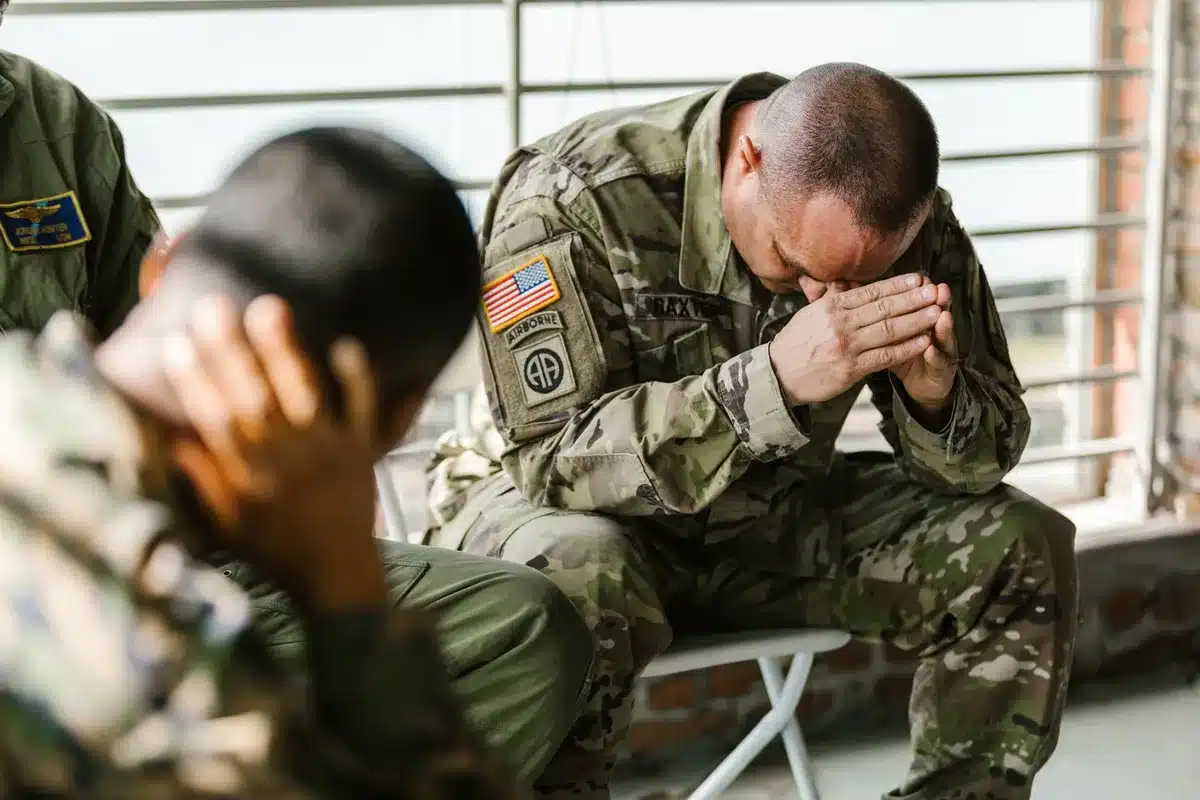
Bakshi noted that templegoers are taxpayers, business owners and, in many cases, fellow service members. To him, calls for vandalism are not an expression of patriotism but a direct attack on the right to worship freely.
What was posted
The episode centers on a YouTuber, identified by supporters as a conservative commentator, who suggested that statues at the Sri Ashtalakshmi Temple might be removed if his side were to “win.” After the clip spread, he defended his remarks by framing them in religious terms, saying some faiths justify pulling down idols.
That line of argument — linking victory in political or cultural contests to the removal of religious symbols — is what prompted Bakshi’s public rebuke and stirred wider debate online.
- Location: Sri Ashtalakshmi Temple, Sugar Land, Texas — home to a 90‑foot statue of Lord Hanuman.
- Origin of controversy: Viral video and social posts encouraging removal of religious statues.
- Veteran’s credentials: Bakshi served in the U.S. Army Reserves, deployed after 9/11, including combat assignments in southern Afghanistan and near Baghdad.
- Community reaction: Hindu advocacy groups condemned the remarks and praised Bakshi; other social users responded with insults and challenges to his motives.
Responses and fallout
The Coalition of Hindus of North America publicly thanked Bakshi for speaking out, calling the social media comments an unacceptable example of mainstreamed religious bigotry. At the same time, Bakshi faced online attacks questioning his patriotism and loyalty — including messages that downplayed military service as proof of one’s commitment to the country.
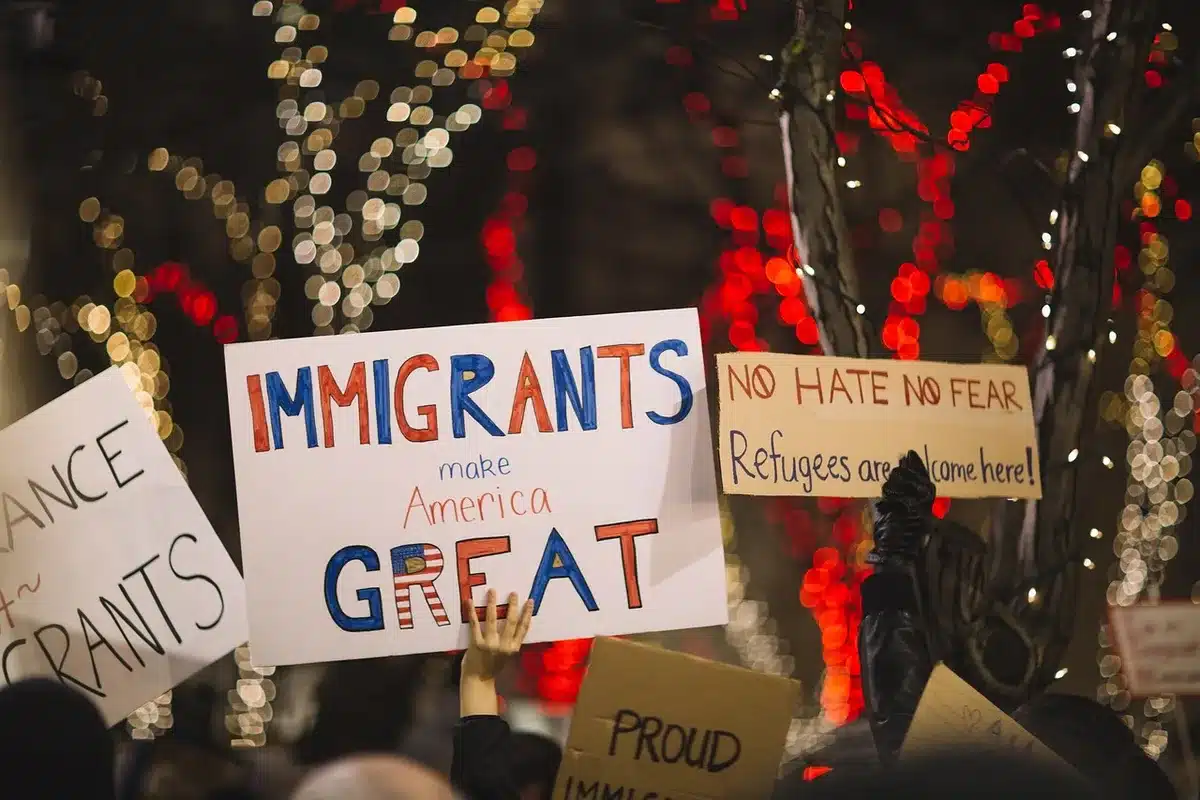
Some supporters of the original video invoked theological arguments about idolatry; others framed the debate as cultural rather than criminal. The result has been a polarized thread where concerns about safety and civic belonging sit alongside philosophical disputes about religion and public space.
Why this matters now
The incident matters because it ties together several current tensions: the speed at which incendiary posts spread on social platforms, the vulnerability of minority communities to online threats, and the symbolic stakes of religious monuments in public life. For veterans like Bakshi, the episode also raises a basic question: should military service confer a special standing in disputes over American values, or does serving intensify the responsibility to defend pluralism?
The conversation underlines a practical point for readers: statements that call for vandalism or violence against houses of worship can have legal and social consequences, and they test the limits of free speech in an increasingly fraught public square.
Bakshi, who arrived in the United States in 1992 and later worked his way into the Army Reserves after early jobs in civilian life, now works in instructional design and builds learning programs for higher education and defense-related initiatives. He has described an evolution in his politics over time, but his recent post focused squarely on defending the right of Hindu Americans — and all Americans — to practice their faith without fear.
The episode remains a reminder that online provocations can quickly escalate into broader debates about identity, belonging and the responsibilities that accompany citizenship in a diverse democracy.